



 by Simin Xiang
Quick Answer: BOPP bags are woven polypropylene sacks with a printed plastic film laminated to the outside. The woven layer provides strength; the film gives brands a clear, detailed print surface. They can suit dry goods such as rice, animal feed, fertiliser and pet products, but the right bag depends on its contents, filling line, storage conditions and closure. XIFA makes custom laminated woven bags and can help buyers match the fabric, finish, liner and artwork to a working specification before a bulk order.
If you are comparing packaging for a new product or repeat supply, this guide explains the main bag options and the checks that matter before you request a quote.
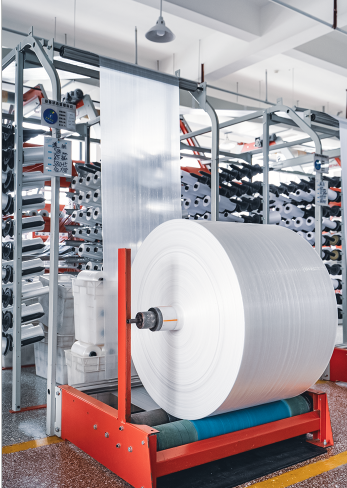
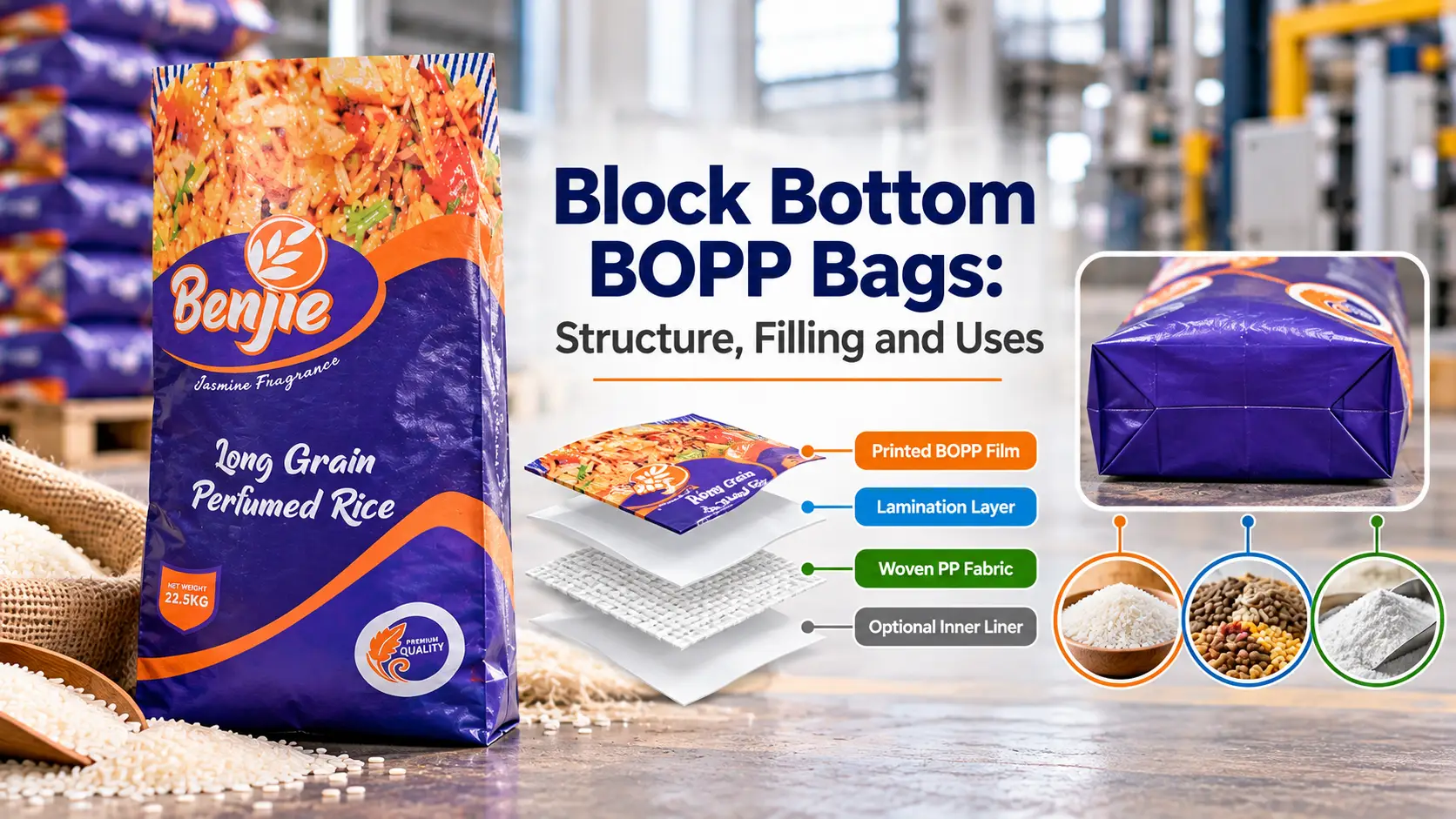
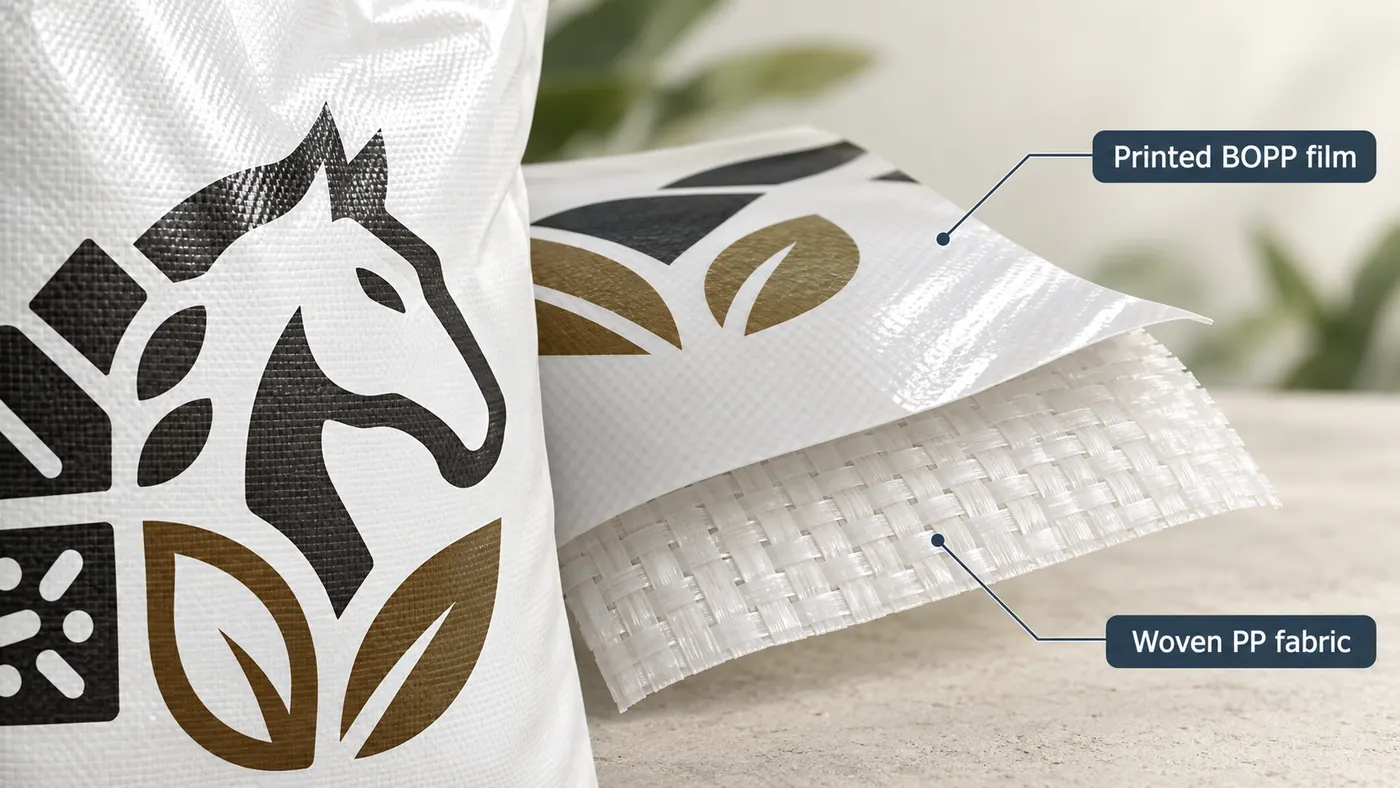
BOPP means biaxially oriented polypropylene: polypropylene film stretched in two directions to make a smooth printing surface. In a laminated woven bag, that film is bonded to woven polypropylene (PP) fabric. The fabric supports the load; the printed film carries the design. XIFA’s BOPP bag product page shows this basic construction.
Lamination can improve the bag’s surface coverage and keep print away from direct rubbing, but BOPP bags are not automatically waterproof or food-contact compliant. Seams, filling openings and any inner liner also matter. For a closer look at substrate choices, see XIFA’s laminated PP woven fabric guide.
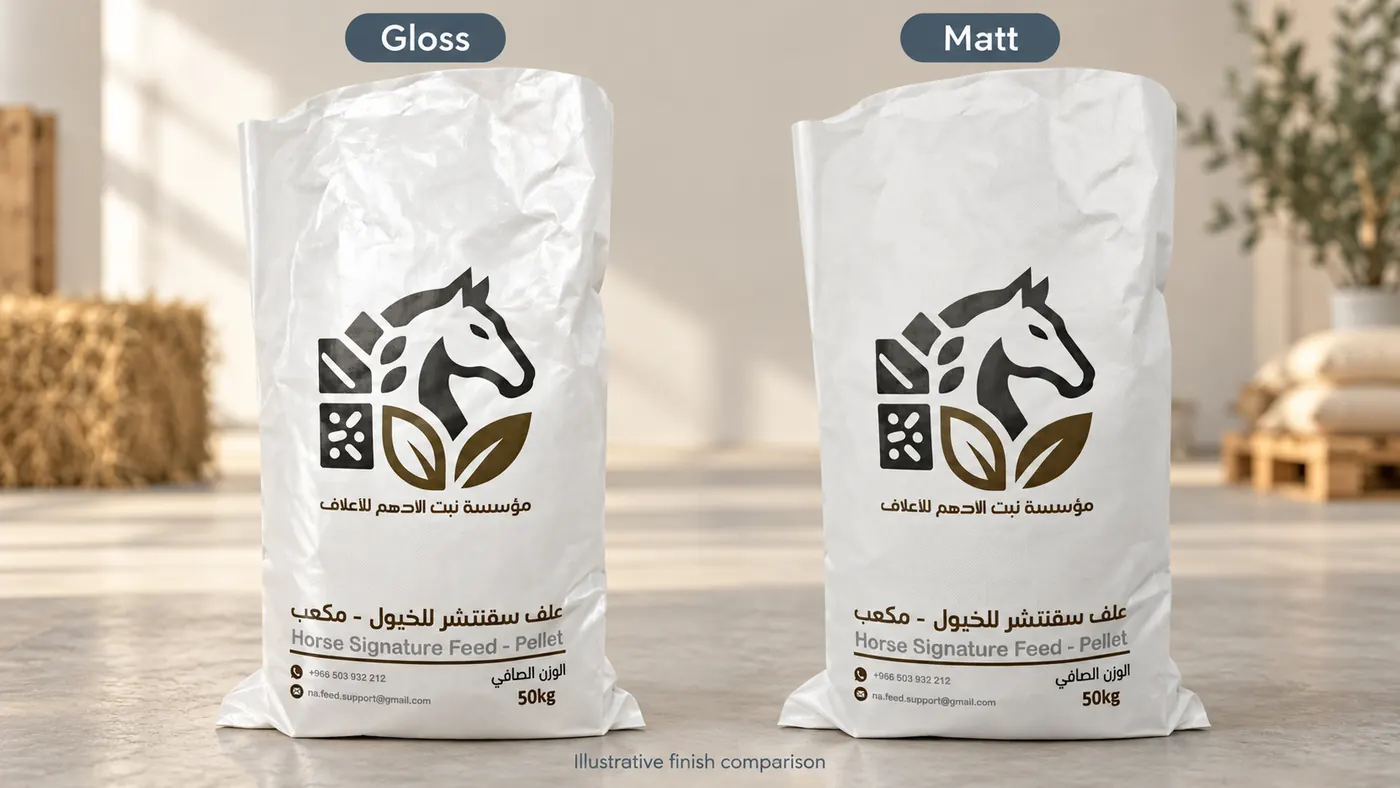
Gloss BOPP bags make colours and product images stand out on a retail shelf. Matt film reduces shine and can help fine text look calmer under bright lighting. Neither finish tells you the bag’s load rating or moisture performance. Approve a physical print proof under the lighting in which the pack will be sold.
Open-mouth BOPP bags can be filled and then sewn or otherwise closed on your line. A valve bag fills through a small opening and needs equipment that matches the valve design. Decide this early: a strong fabric and attractive print cannot fix a bag that does not run through the filler. If your line uses valve filling, compare XIFA’s valve bag options with a conventional open-mouth design.
A polyethylene (PE) liner is a separate inner bag that may help where contents are moisture-sensitive or fine enough to escape through seams. Its value depends on how the liner is attached and closed, and on your actual storage conditions. Ask for the full layer structure instead of assuming every laminated bag includes a liner. XIFA’s BOPP bag range illustrates printed options for several product categories.
Rice and grain: BOPP bags can carry dense dry goods while displaying a brand, grade and handling information. Choose the bag around fill weight, grain type and storage time. XIFA’s rice packaging comparison covers other material options when a different barrier or format is needed.
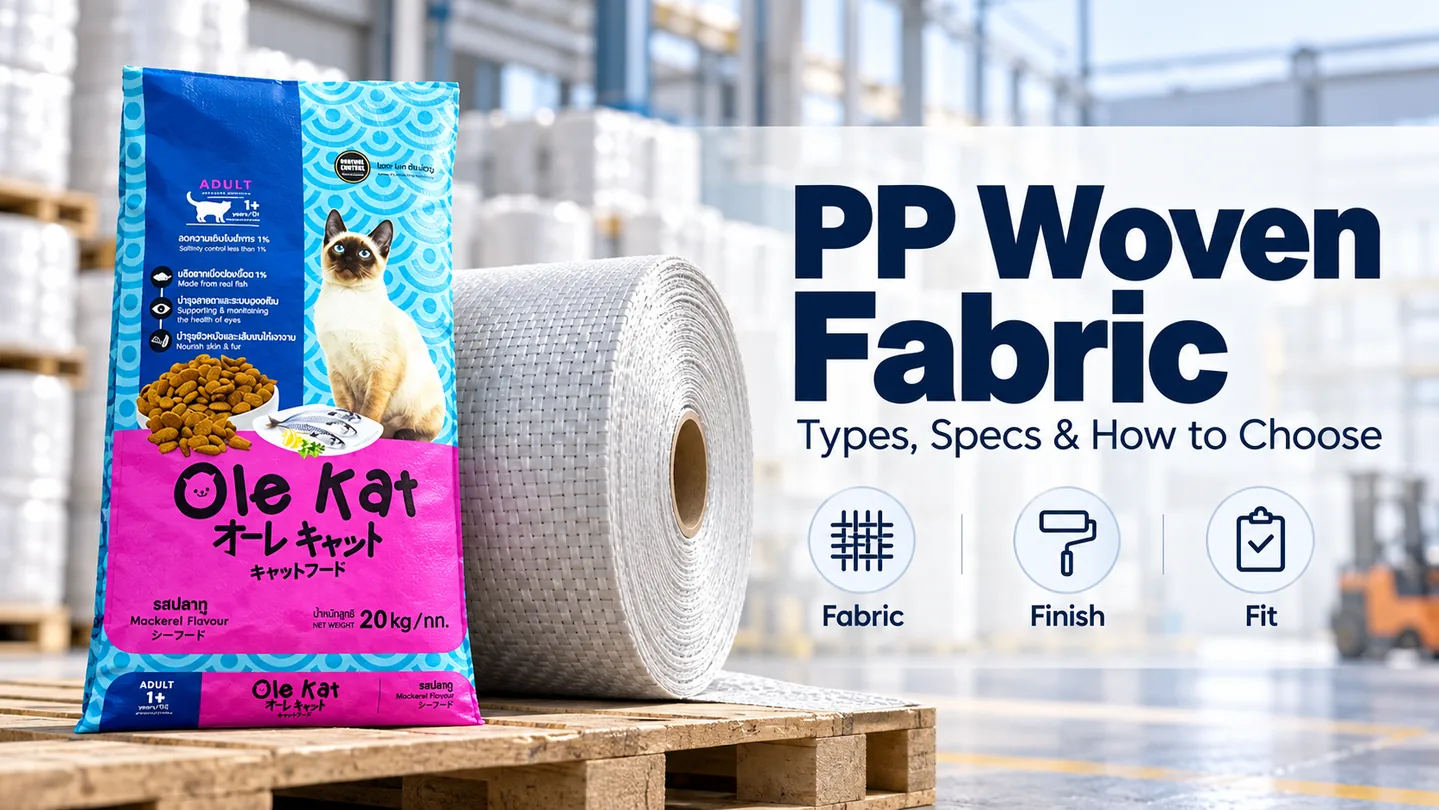
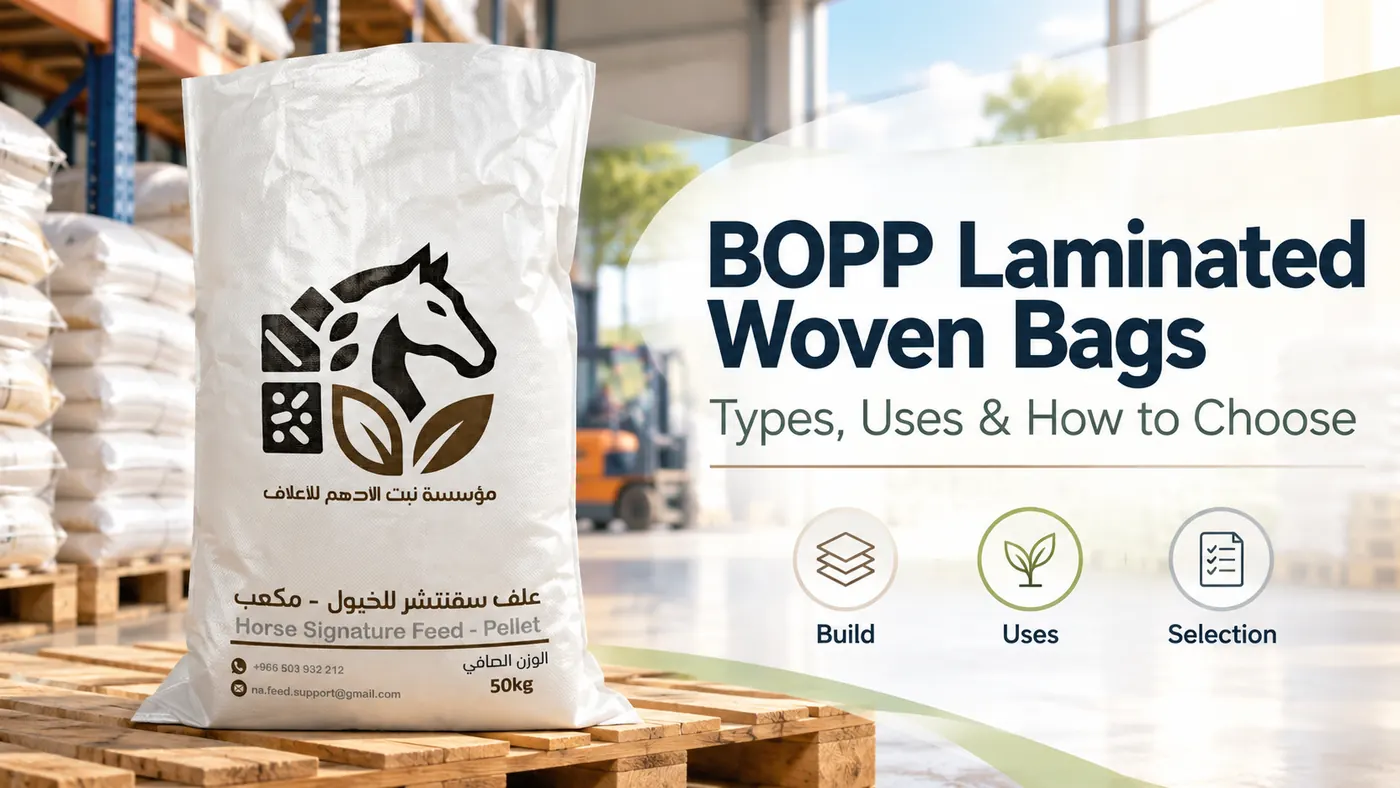
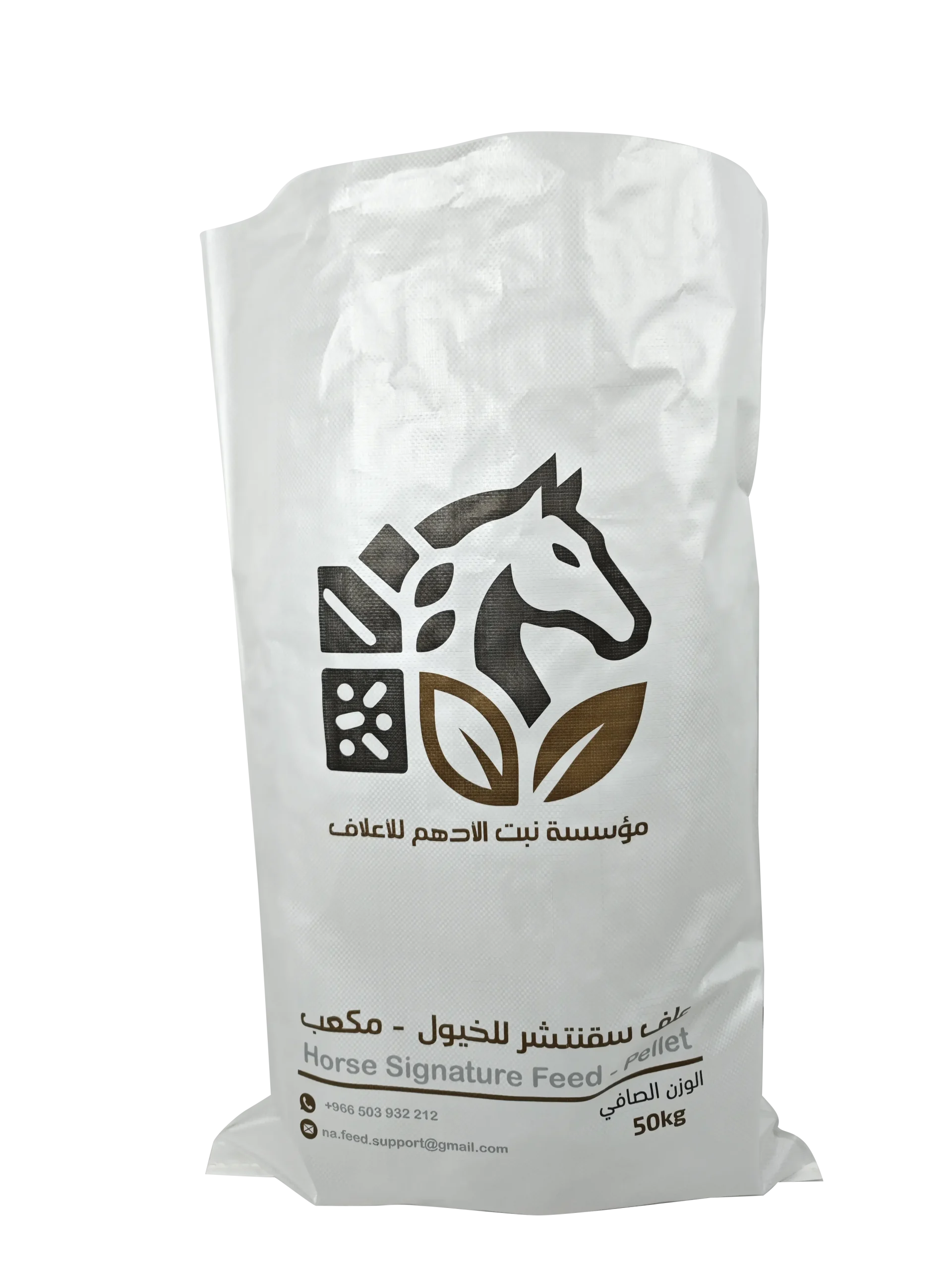
Animal feed and pet products: Detailed graphics are useful when bags are sold through distributors or stores. Check abrasion during pallet handling, bag closure and whether the feed needs an inner liner. XIFA’s animal feed bag guide explains the broader packaging choices.
Fertiliser and garden products: BOPP bags can combine clear labelling with a tough woven base. Contents vary widely, so confirm compatibility, moisture exposure and the required warning text for your market. A product image on a supplier page is an example of a possible application, not proof that one standard bag suits every fertiliser.
Other dry goods: Cat litter, seeds and some industrial powders can also use BOPP laminated woven bags. Fine powders, dusty filling and automated lines may call for different seams, openings or PP woven bag constructions. Start with the filling process rather than the product photo.
First, share the product, target fill weight and how it moves from filler to customer. A 10 kg retail pack and a heavier bag stacked several pallets high create different handling demands. For BOPP bags, agree on these points before comparing prices:
XIFA describes checks across materials, production and outgoing bags on its quality control page. Ask which records and acceptance limits will apply to your specific order. For food-contact packaging, also request documents covering the exact materials and destination market; the words “food grade” on a product listing are not enough.
Choose BOPP bags when a woven sack fits the load and detailed, consistent branding matters. A simpler printed PP woven bag may be enough for goods that never reach a retail shelf; a different film or paper format may fit another filling system better. The best comparison uses the same fill weight, handling route and acceptance tests for each option.
To discuss a custom bag, send XIFA your product details, target weight, bag dimensions, filling method, artwork and expected order volume through the contact page. That brief gives the team a basis for recommending a construction and preparing a useful quotation.