Fine-Powder Containment
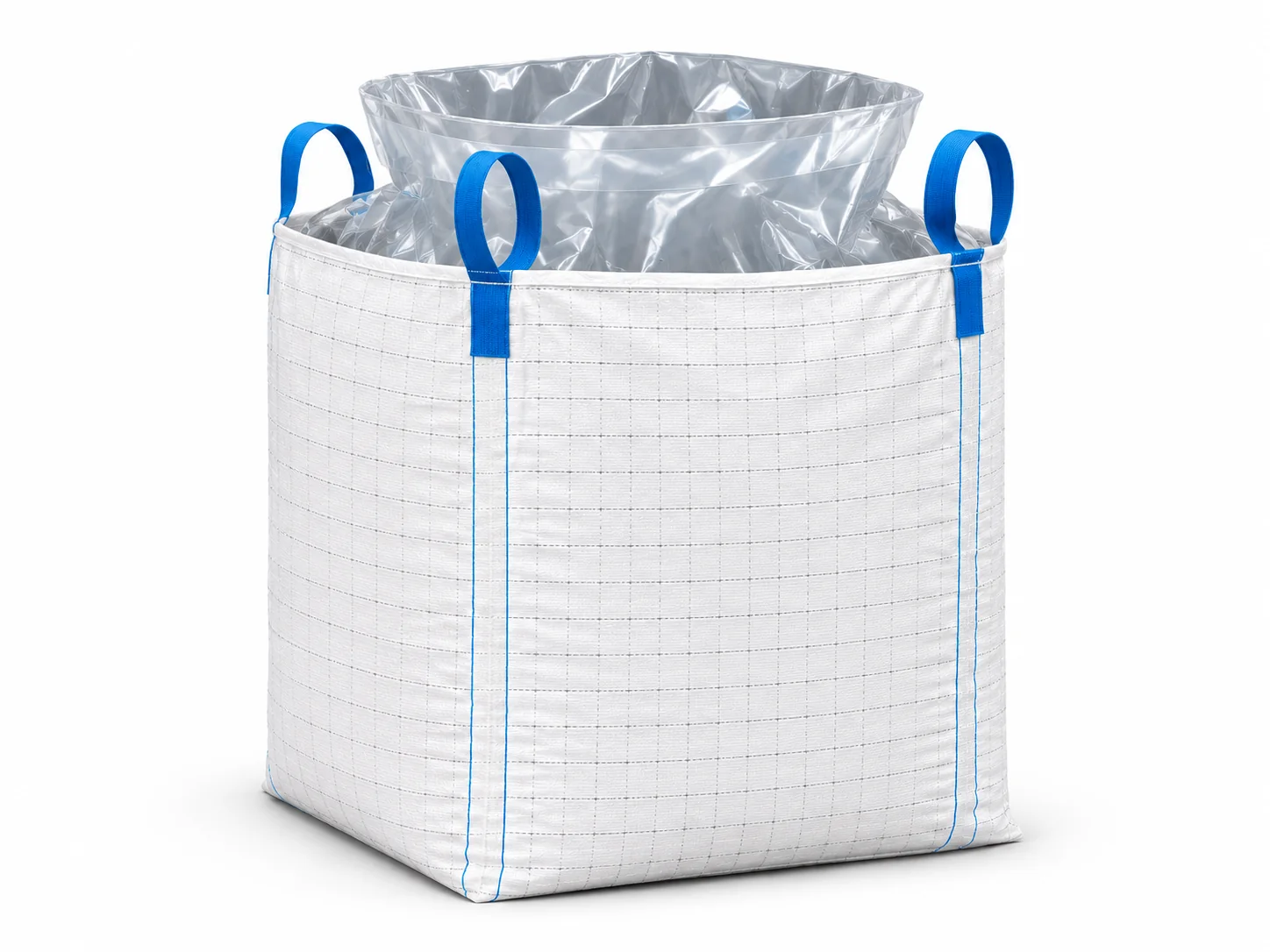
Fine graphite can escape through seams and poorly closed openings. Match your seam treatment, liner and closures to the particle distribution and handling conditions.




For your graphite and anode powders, bag capacity, liner fit and discharge connections need to work together. Discuss custom empty FIBC bags with XIFA, with dimensions and containment features matched to your material grade and packing line.
For natural and synthetic graphite processors, anode-material producers, exporters and packaging distributors.
Your graphite packaging requirements vary with powder grade, filling state and discharge equipment. XIFA’s industrial packaging experience gives you a practical starting point for discussing bag construction, liner selection and repeat-order requirements.


For graphite bulk bags, focus on fine-powder containment, usable capacity and practical discharge. Your powder grade and measured bulk density help define the body, liner and connections needed for your process.
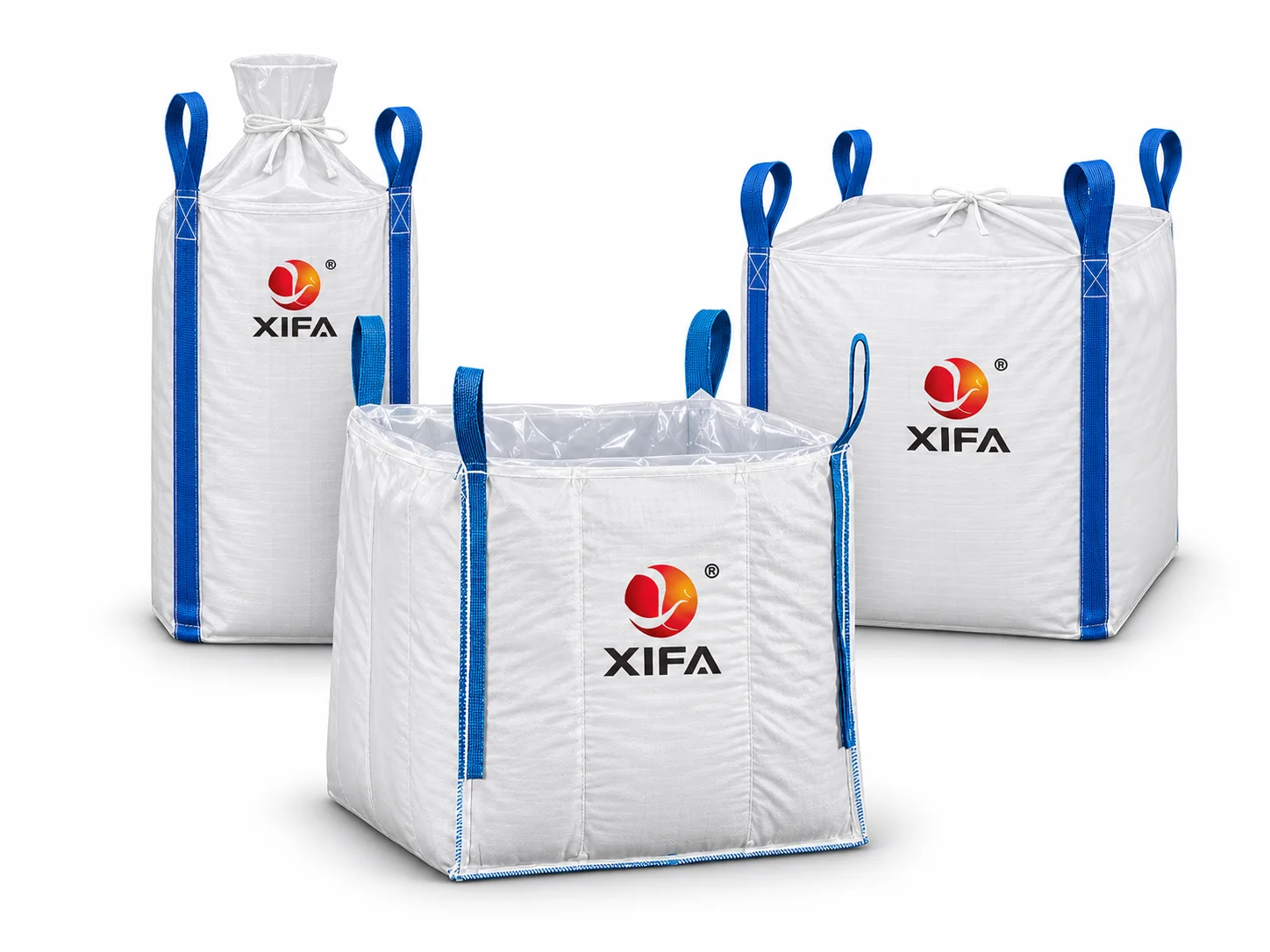
Fine graphite can escape through seams and poorly closed openings. Match your seam treatment, liner and closures to the particle distribution and handling conditions.
Excess film or a shifting liner can obstruct the outlet. Coordinate liner shape, retention and spout dimensions with your receiving equipment and powder flow.
Your target weight needs sufficient usable volume at the actual filling density. Match bag dimensions to the pallet footprint and available operating clearance.
High-purity grades need defined contact surfaces and closure requirements. Specify your foreign-particle limits, storage conditions and any site electrostatic requirements with the bag design.
Combine the features your graphite grade needs: fine-powder containment, a fitted liner and defined protection requirements. Select the construction around your filling state, receiving equipment and acceptance specification.
CONFIGURATION 01
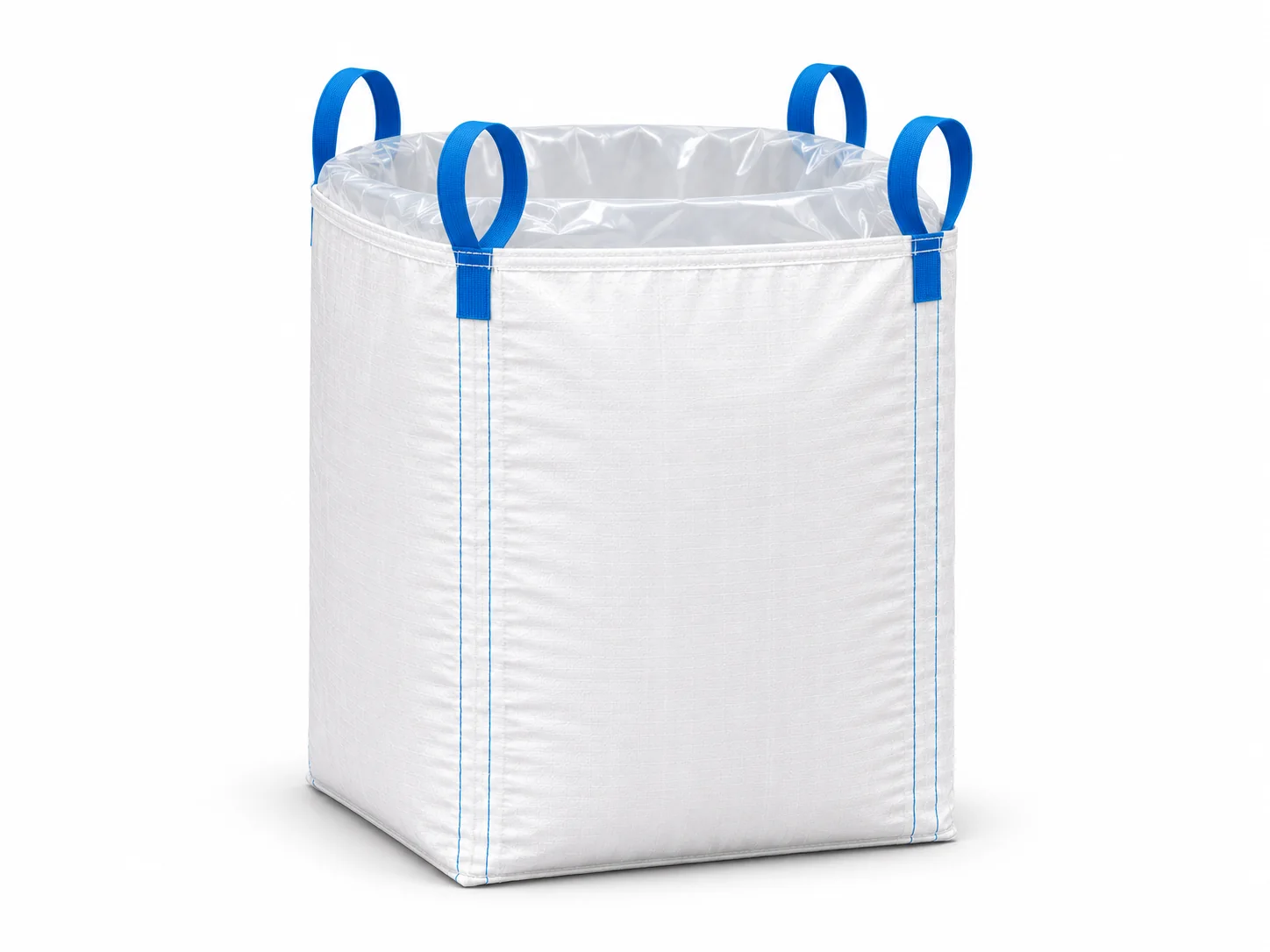
Pair your PP outer bag with a liner and seam arrangement suited to fine powder. Coordinate the openings and closures for your filling and unloading process.
CONFIGURATION 02
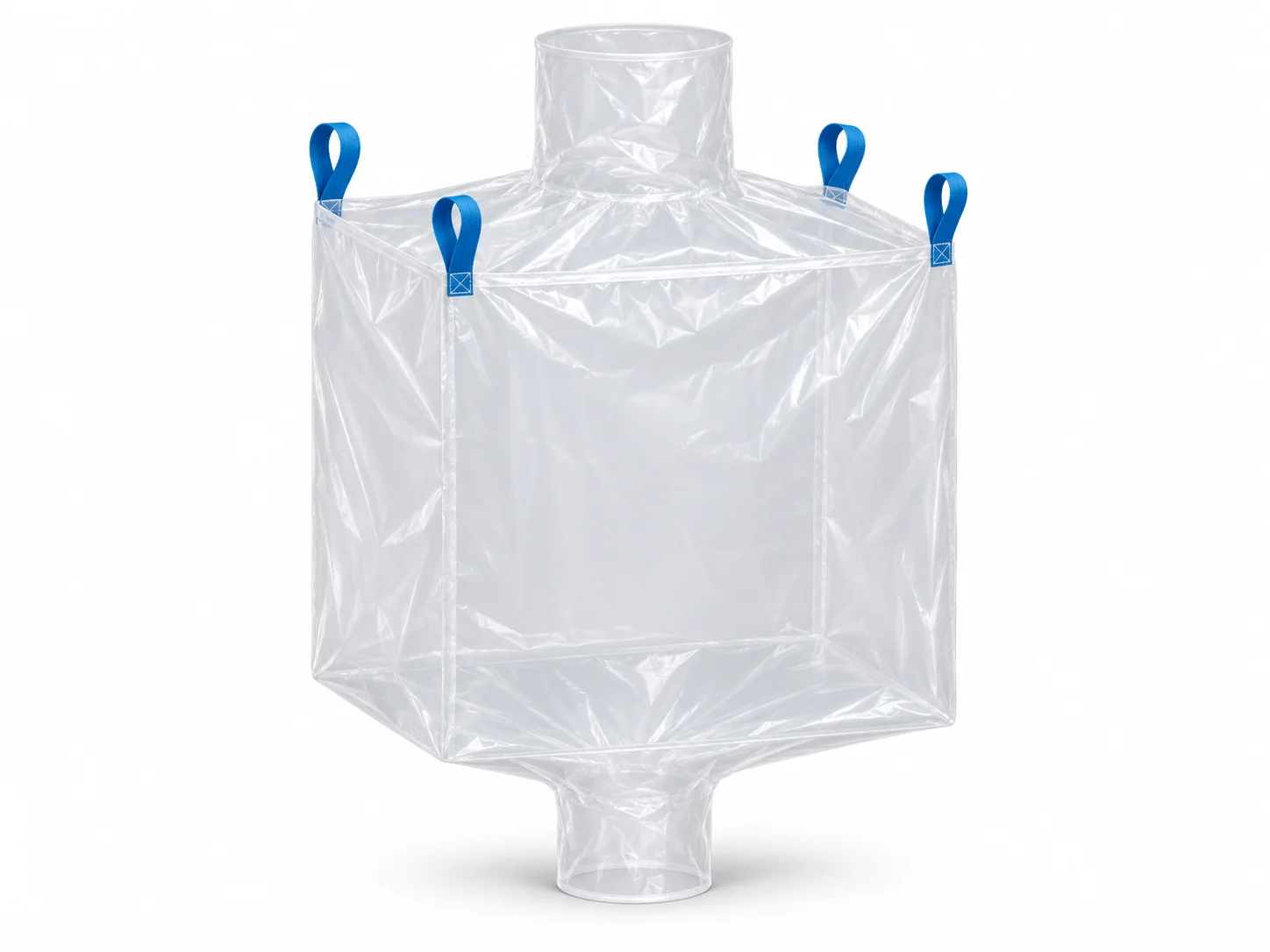
Match your liner shape and outlet to the bag body. Define attachment points to help manage liner movement and keep the discharge connection aligned.
CONFIGURATION 03
Specify your required protection from material and site data. Discuss contact layers, seals and electrostatic features as part of the complete bag-and-liner system.
CUSTOMIZATION OPTIONS
Build your graphite bulk bag around measured density, particle size and discharge behaviour. Coordinate the body, liner attachments, spouts and lifting arrangement with your equipment and target payload.
Give your graphite the usable volume it needs.
Approve the filled dimensions alongside the liner allowance.
Keep your filling connection aligned and accessible.
Check access for sealing after your target fill weight is reached.
Give your powder a practical route into the receiver.
Evaluate the outlet with your material where discharge behaviour is critical.
Control liner movement through filling and emptying.
Use your current residue or liner-slipping issues to guide the design discussion.
Fit your lifting arrangement to the filled bag.
Include equipment details from both the filling and receiving sites.
Select your rating from the actual graphite payload.
Keep payload within the supplied bag’s rated design.
Base static controls on your powder and operating area.
Graphite conductivity is one material property within the wider site assessment.
Send your material name, target fill weight and current bag drawing or photograph. You can clarify the remaining configuration and order details with XIFA during quotation review.
Bring your material, equipment and order requirements together in one specification. XIFA can help you clarify the construction details needed for your quotation.
| Specification | Your Inputs | Configuration Details |
|---|---|---|
| Material / processing grade | Natural or synthetic graphite, processing stage and particle distribution. | Identify purified, spherical or coated grades and your contact-cleanliness requirements for the proposed construction. |
| Bulk density / filling state | Measured bulk density in kg/m³ at a representative filling state. | Use the loose or aerated filling condition to establish usable capacity, filled height and pallet fit. |
| Filling weight / SWL | Target net powder weight per bag and intended handling cycle. | Confirm the bag’s rated Safe Working Load, safety factor and design records for your selected construction. |
| Body / dimensions | Length × width × height in mm, body style and pallet dimensions. | Coordinate liner allowance, filled bulge and clearance. Where baffling is proposed, evaluate shape and discharge with your powder. |
| Liner shape / fixing | Current film grade, thickness, shape and attachment arrangement. | Match liner fit and retention to filling and emptying, including any slipping, folding or outlet obstruction in your current setup. |
| Filling connection | Nozzle diameter, insertion length and dust-extraction arrangement. | Agree the liner inlet, outer-bag spout and closure so your line can connect and seal the pack. |
| Discharge connection | Outlet diameter and length, receiving equipment and residual-material concerns. | Review liner outlet alignment, working clearance and flow behaviour using your actual graphite grade. |
| Contact / cleanliness | Contact resin, foreign-particle criteria and required inspection records. | Define acceptance criteria for high-purity powder and the selected contact surface, including packaging protection after bag manufacture. |
| Barrier / storage | Material moisture requirements, storage period and environmental exposure. | Select any barrier structure and seal evidence against your stated conditions. Protection requirements may differ by processing grade. |
| Static / site requirements | Product SDS, operating assessment and grounding conditions where relevant. | Specify electrostatic performance for the complete outer bag and liner using the material and site requirements. |
| Labels / shipment | Artwork, batch identification, pallet arrangement, quantity and destination. | Link your approved drawing and label revision to the order; agree shipment packing and production milestones for repeat supply. |
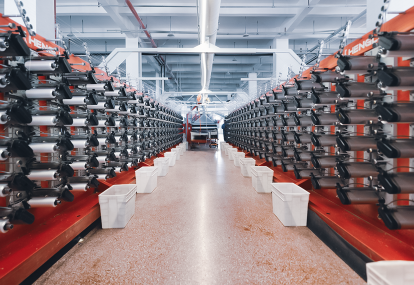
XIFA's manufacturing network includes Wenzhou, Jiangxi and Laos, supporting its wider industrial packaging business. Share your required bag construction, order volume and delivery destination to discuss the relevant production route and order coordination.
XIFA manufactures woven packaging and FIBC bulk bags for overseas importers, distributors and industrial buyers. Your bag construction, liner and order requirements guide the production and quotation discussion.
From your approved drawing to shipment planning, XIFA coordinates the details that matter to your order. Discuss the production base, required documents and dispatch schedule for your selected FIBC specification.
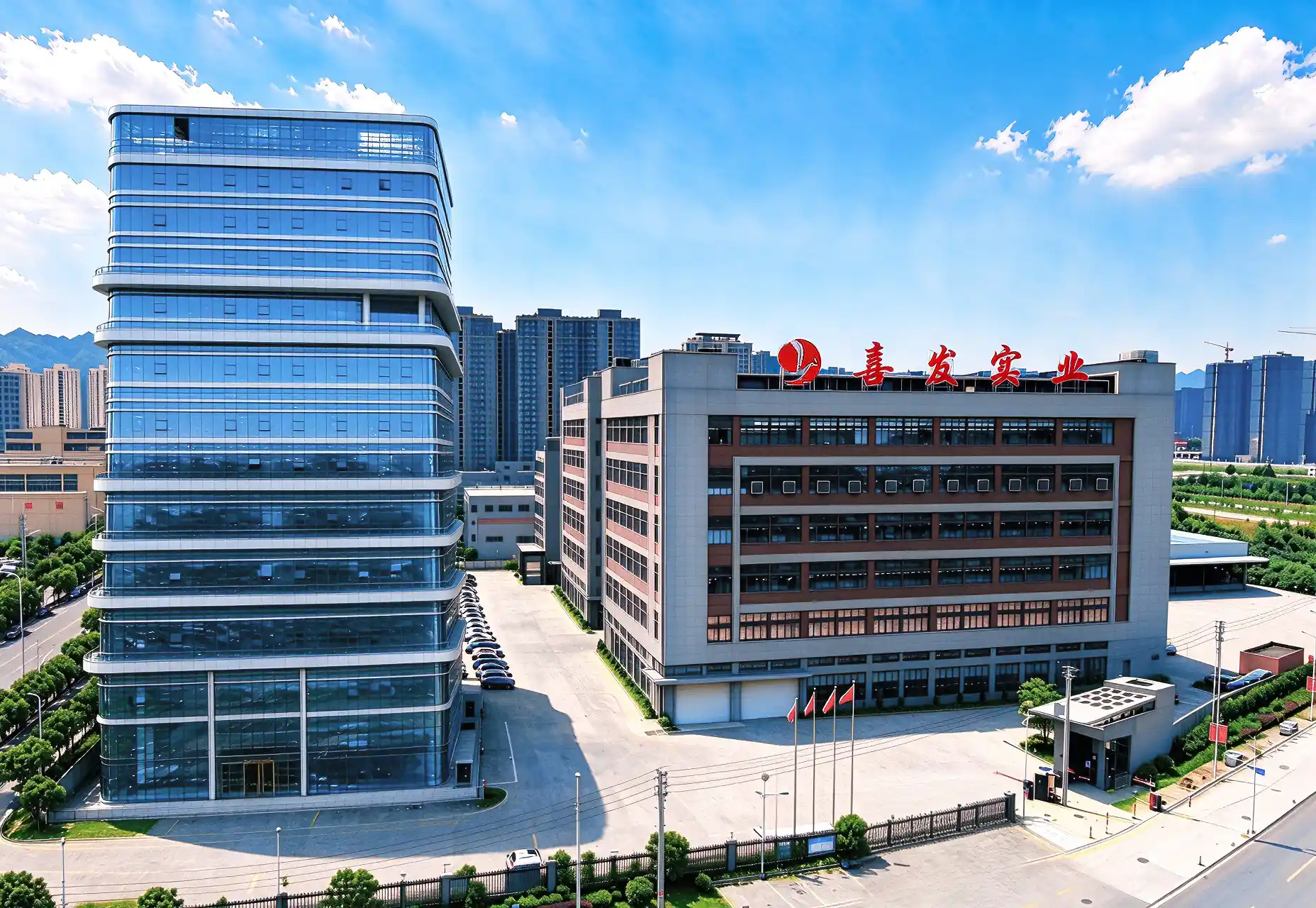
Zhejiang · China
XIFA’s Wenzhou facility forms part of its woven-packaging manufacturing network. Discuss your custom packaging requirements and order coordination with our team.
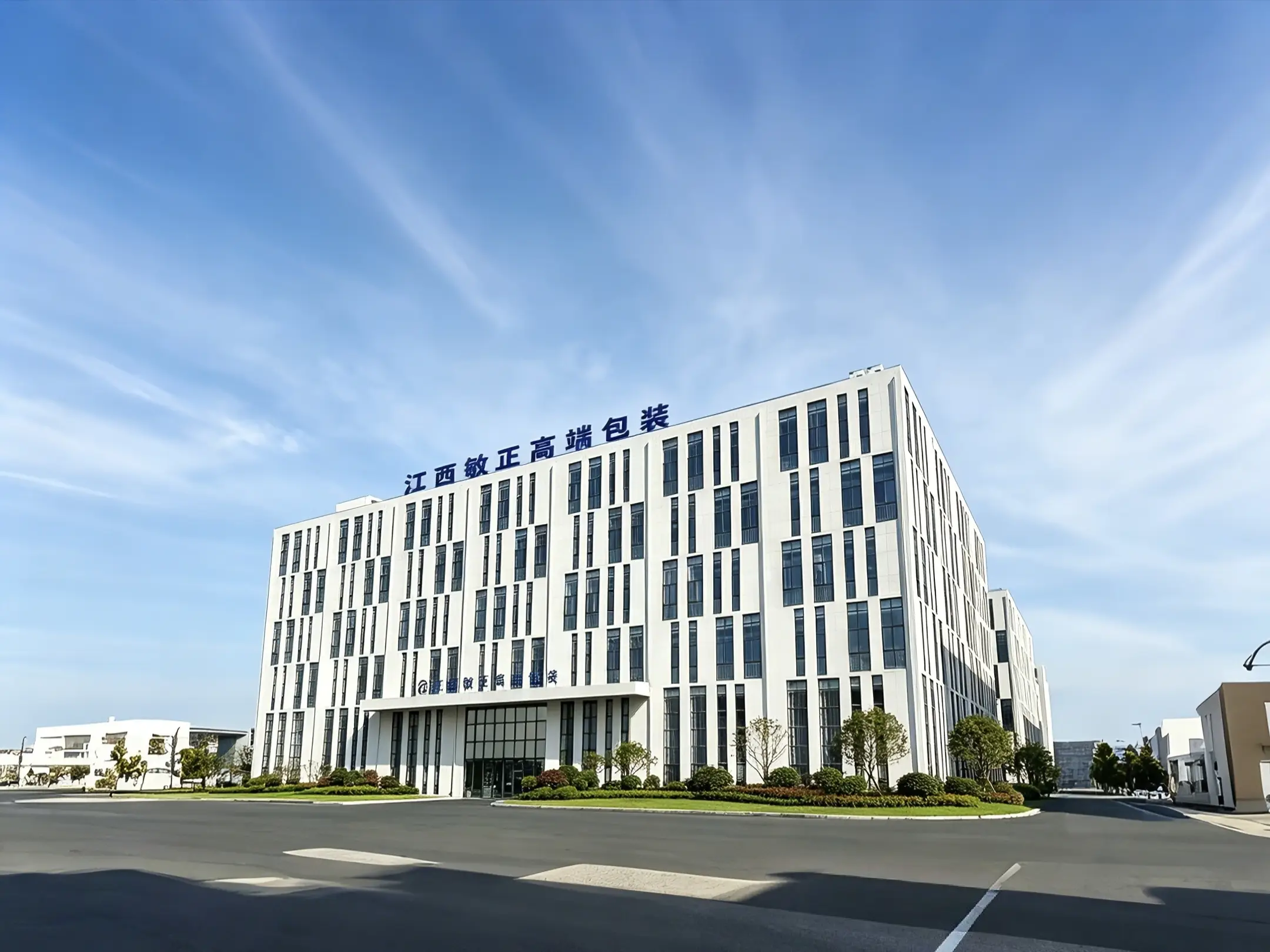
Jiangxi · China
Jiangxi Minzheng forms part of XIFA’s bulk-bag manufacturing network, connecting your FIBC construction requirements with production and scheduling discussions.
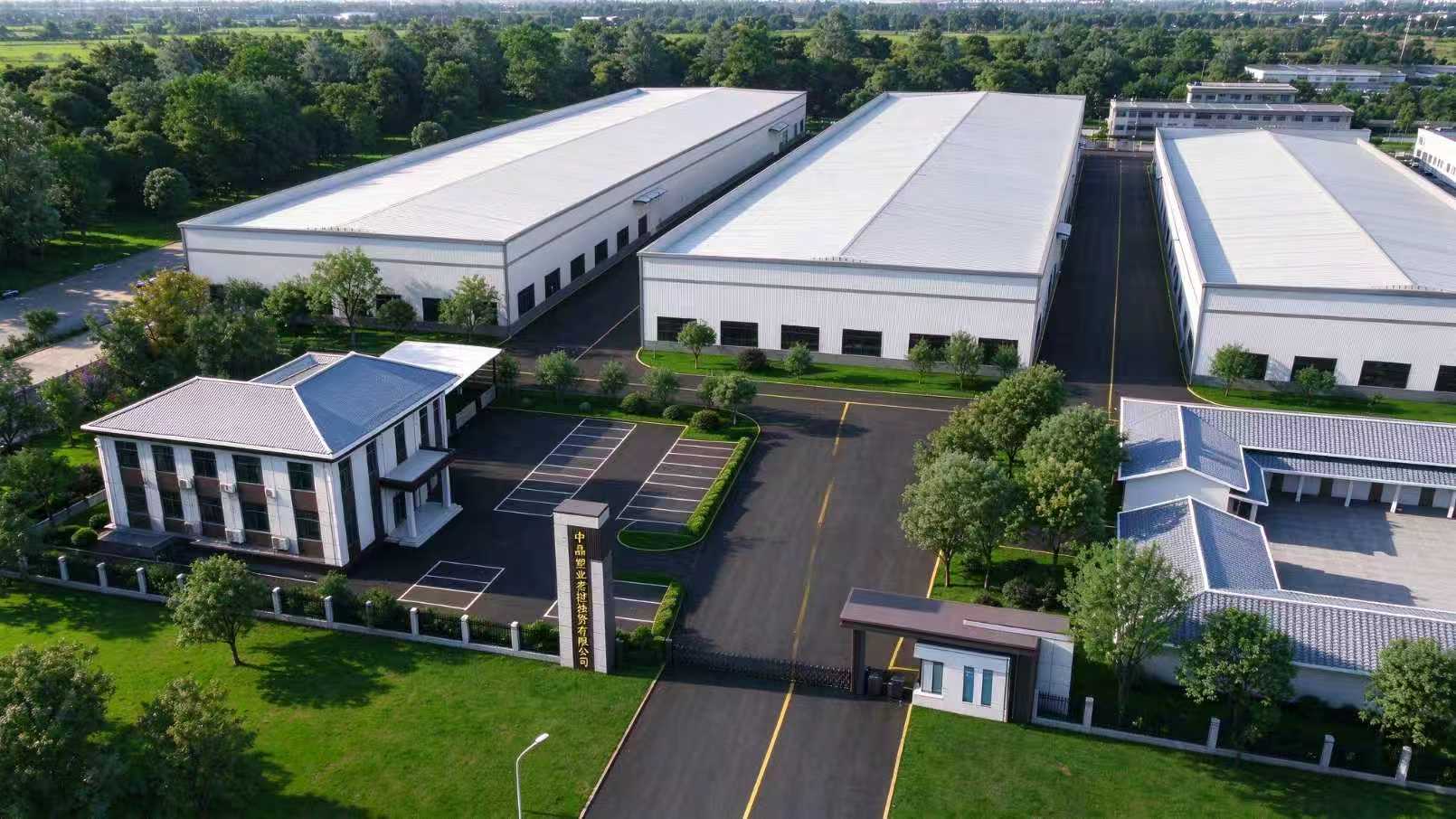
Laos
The Laos facility extends XIFA’s manufacturing network. Your quotation review identifies the production and shipment arrangements relevant to your order.
Meet XIFA’s team to discuss your bag specification, view the factory environment and plan your order. Bring your purchasing and technical questions for a focused conversation about your packaging requirements.
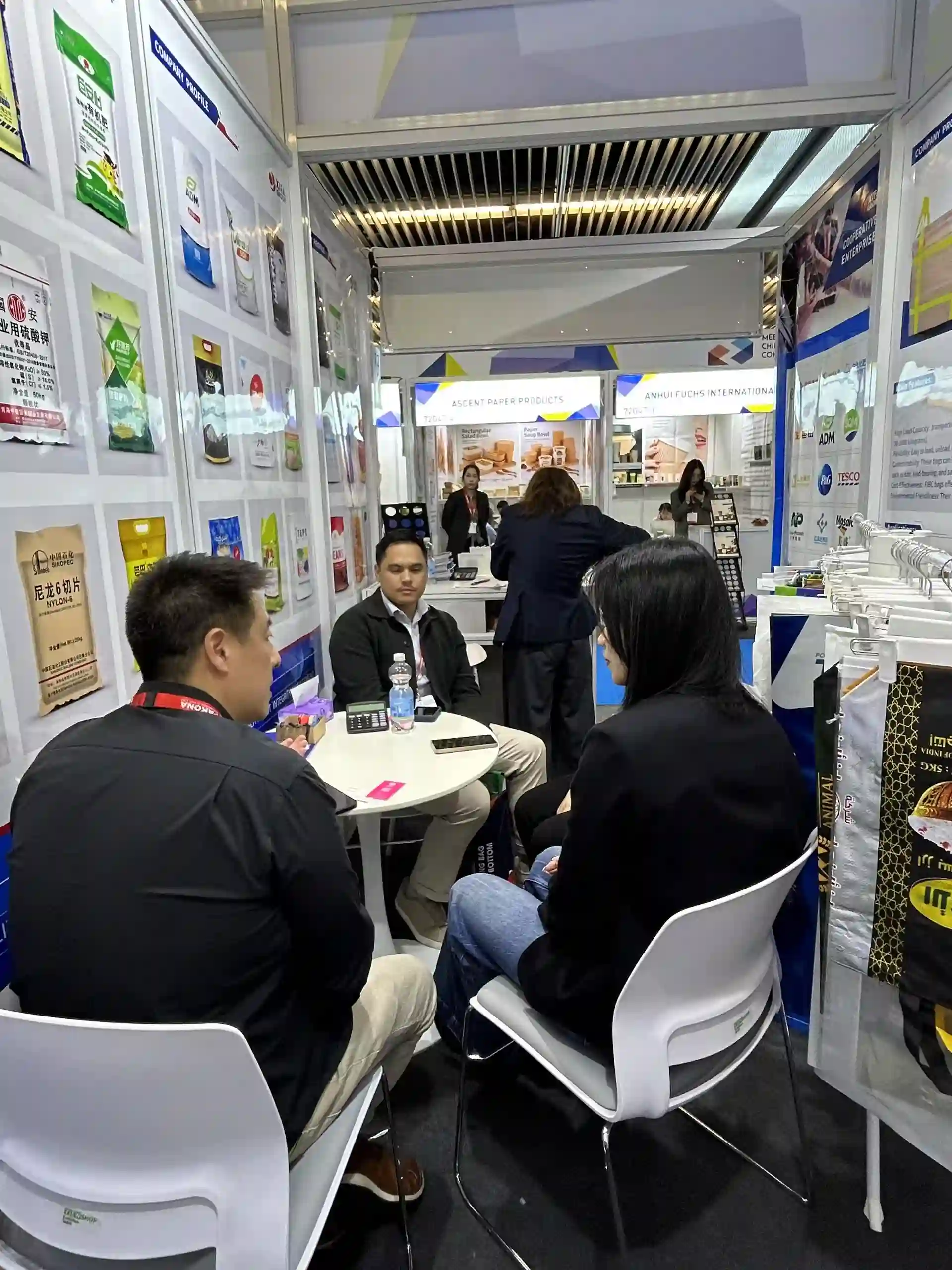
Customer Visit and Business Communication
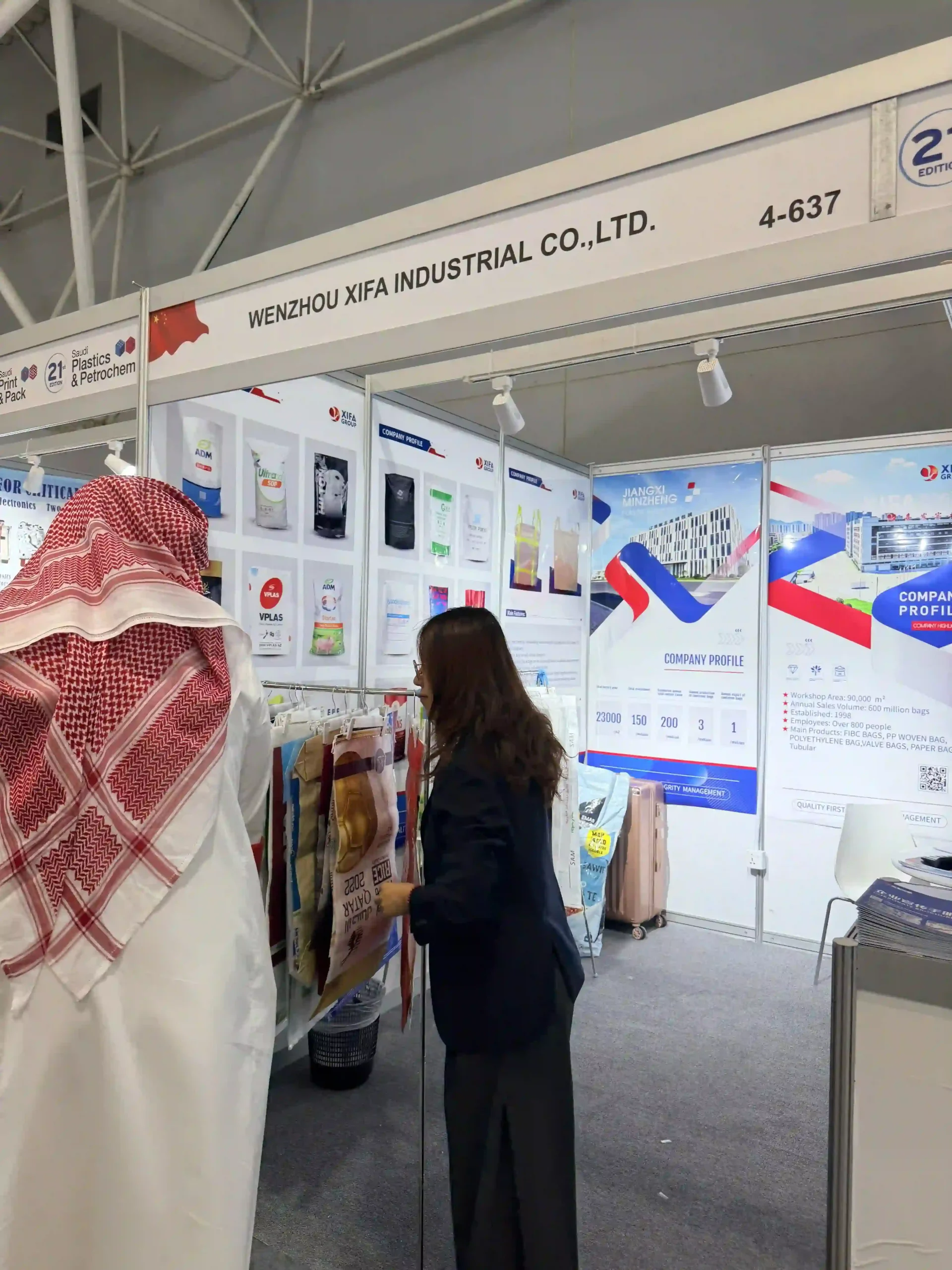
Customer Reception at XIFA
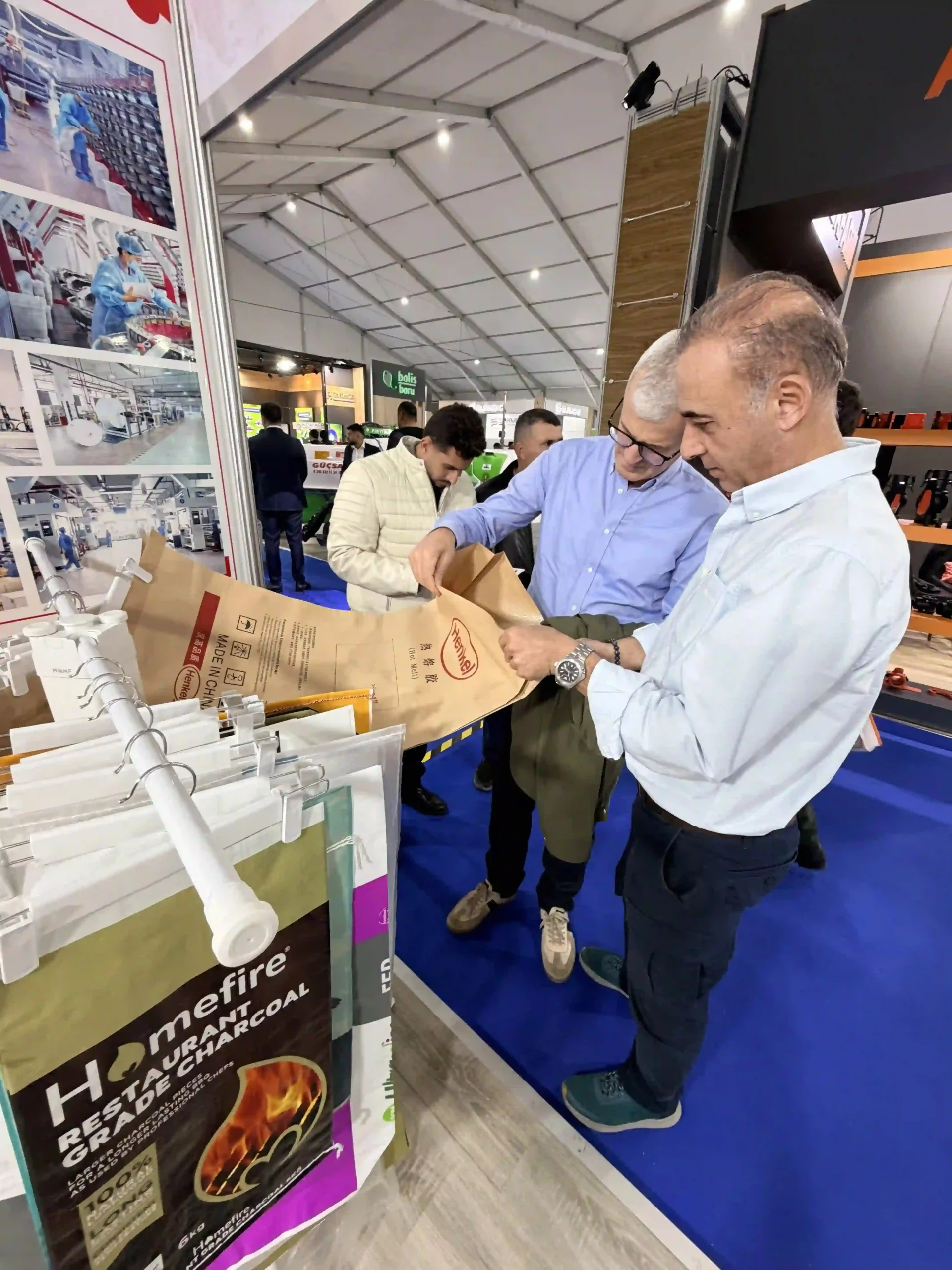
International Business Meeting
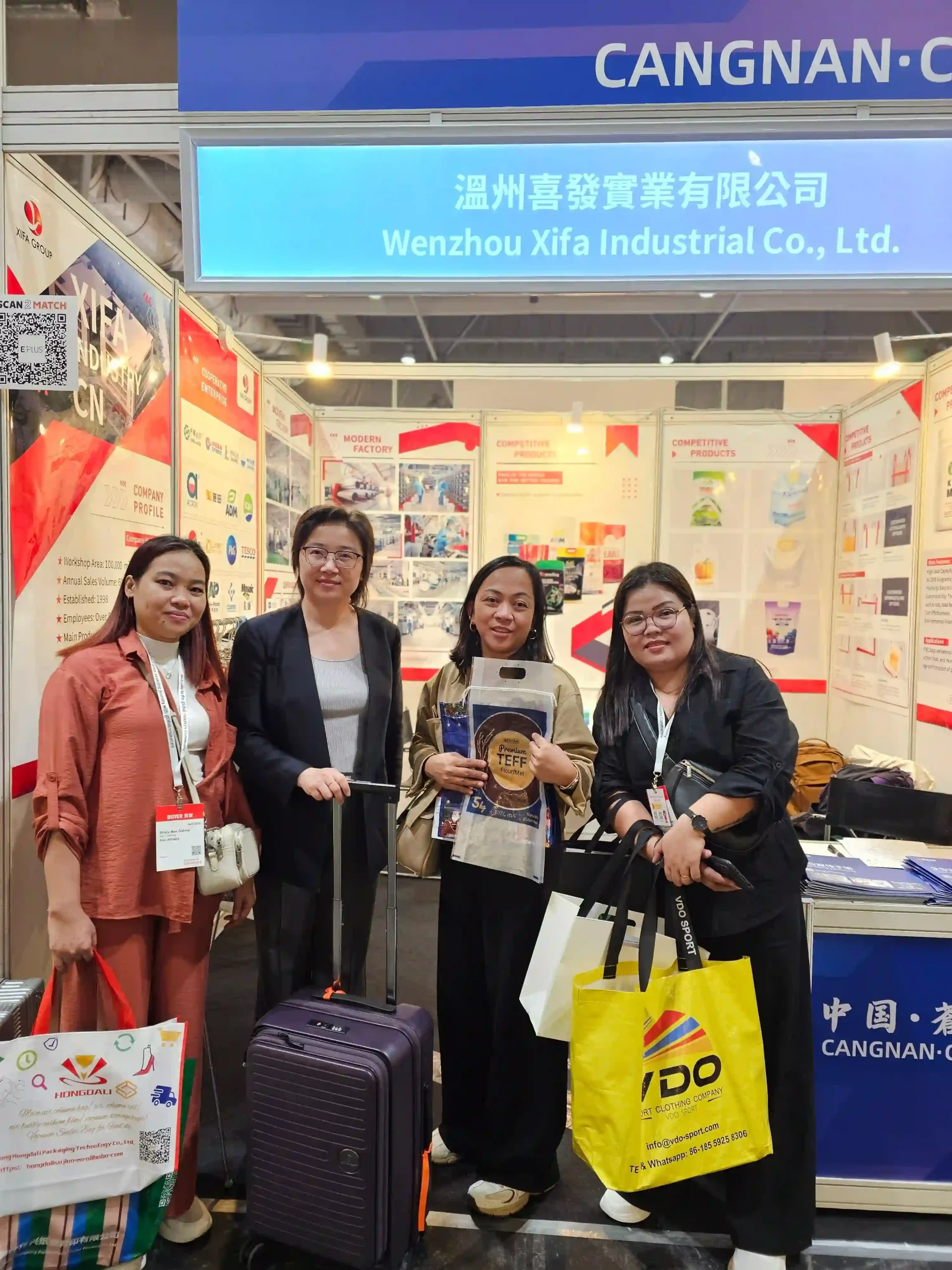
Packaging Business Discussions
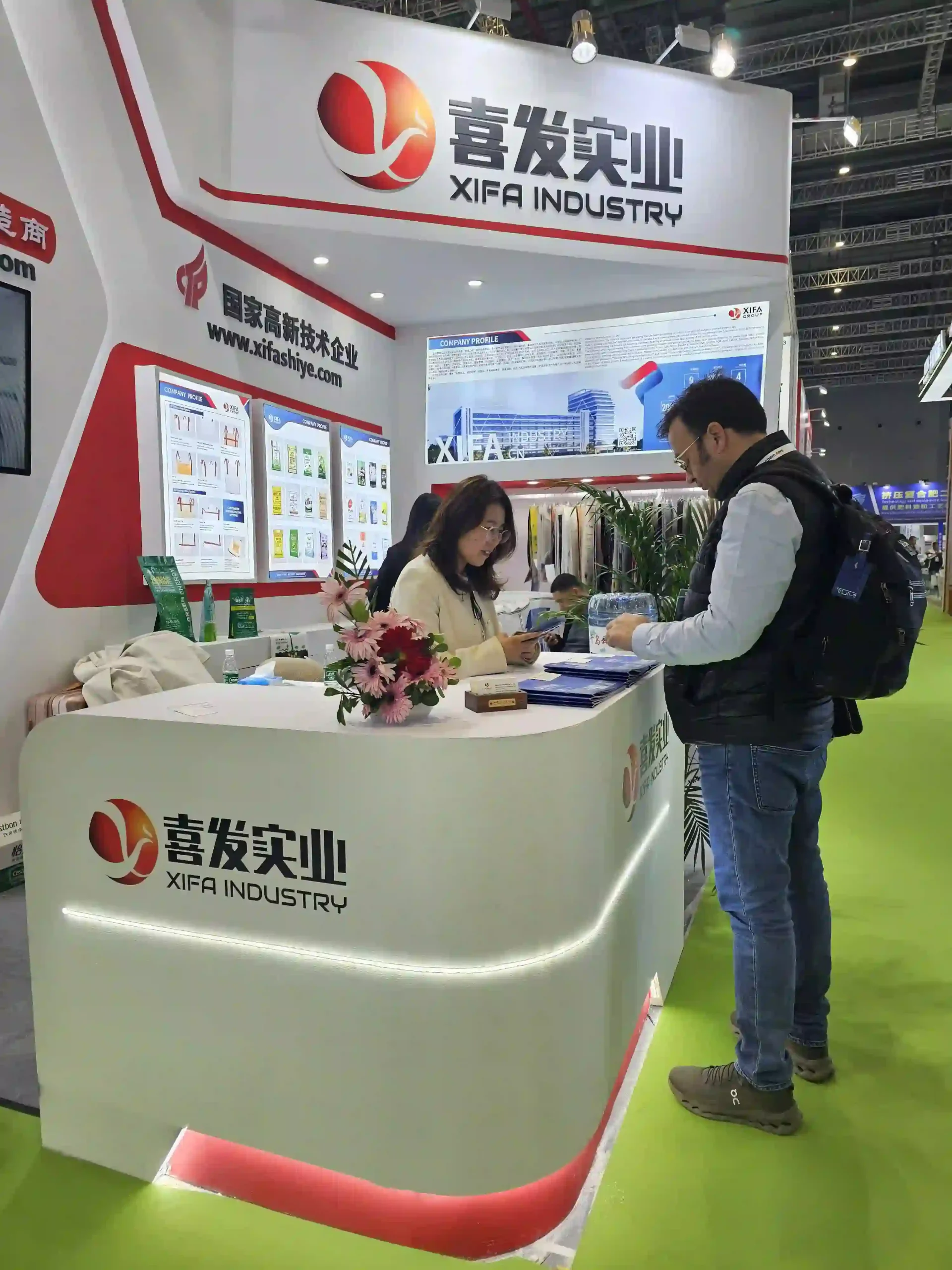
Customer Visit to XIFA Facilities

International Business Engagement
Clarify your specification, documentation and order requirements before requesting a graphite powder packaging quotation.
Your grades can be reviewed against a common drawing, with material-specific requirements identified.
Send your target fill weight and measured bulk density at a representative filling state.
Share your drawing, specification sheet or clear photos of the current bag and openings.
Liner shape, film allowance and fixing are useful design inputs when residue affects your process.
Select static protection from your product data and site assessment.
XIFA confirms these terms against your selected bag construction and order requirements.