



 by Simin Xiang
Quick Answer:
BOPP bag classification varies according to its construction and material, as well as the laws of the importing country’s customs regulations. Woven polypropylene packing sacks that are finished could be classified under headings 6305 and 3923 in India, amongst others. This means that a BOPP bag HSN code should not be chosen simply based on the name of the product. Film-only packaging and BOPP woven sacks could be different items for classification purposes. XIFA Group manufactures BOPP laminated woven bags in China. Its products combine printed BOPP film with woven PP fabric for food, feed, fertilizer, chemicals, and other goods.
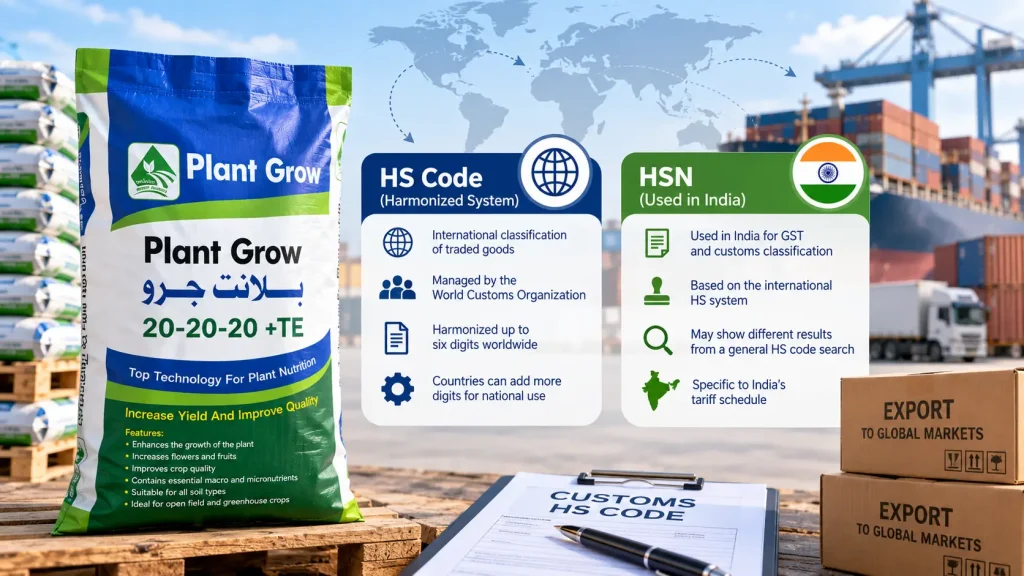
HSN classification refers to the international classification system that is employed to classify goods that are traded around the world. It is managed by the World Customs Organization. The HS is harmonized internationally up to six digits. Countries can increase the number of digits for their national tariff classification systems.
HSN is the system that is utilized in India with respect to GST and the customs classification system. This is the reason why searching for BOPP bag HS code and HSN code could yield different results.
The destination country’s tariff schedule is always an important consideration when it comes to exports. A code that applies for Indian GST is not necessarily applied elsewhere.
There is no code that includes all types of BOPP bags. First, there needs to be an examination of the physical construction of the product.
| Product presented to customs | Code or heading commonly reviewed | Key classification question |
| BOPP film | Chapter 39 | Is the product film rather than a finished sack? |
| Woven PP packing sack | 6305 | Is it a made-up sack for packing goods? |
| Laminated woven PP sack | 3923 or 6305 | How is the completed article constructed? |
| FIBC | 6305.32 | Is it a flexible intermediate bulk container? |
| Printed BOPP woven sack | 3923 or 6305 | Does printing change its essential classification? |
The Indian CBIC GST Schedule makes mention of headings 3923 or 6305 regarding woven or non-woven polyethylene or polypropylene packing sacks, regardless of whether or not they are laminated. Thus, the correct HSN code for BOPP bags is dependent on how they have been constructed.
BOPP stands for biaxially oriented polypropylene. BOPP film by itself does not constitute an article equal to a ready-made woven packing sack.
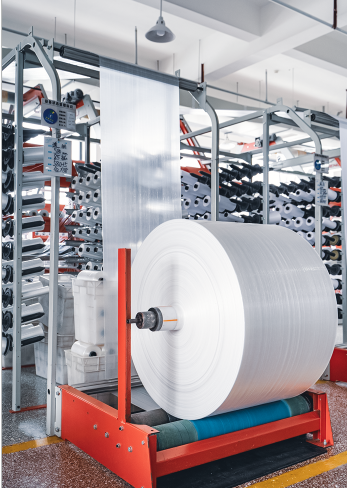
XIFA’s BOPP packaging is composed of printed BOPP film laminated on polypropylene woven fabric. Woven fabric is used for the structure, while the film is used for printing and protection.
The form of the product counts
Classification of goods for customs usually begins with the goods offered for import. Film rolls, woven fabric rolls, and ready-made bags are not interchangeable descriptions. This point is crucial for determining the polypropylene bag HS code. Invoices and purchase orders should describe the finished item and not just “BOPP.”
The presence of printing does not mean that there will be a different customs classification for each individual BOPP bag. The function of printing and the way the item is manufactured are important.
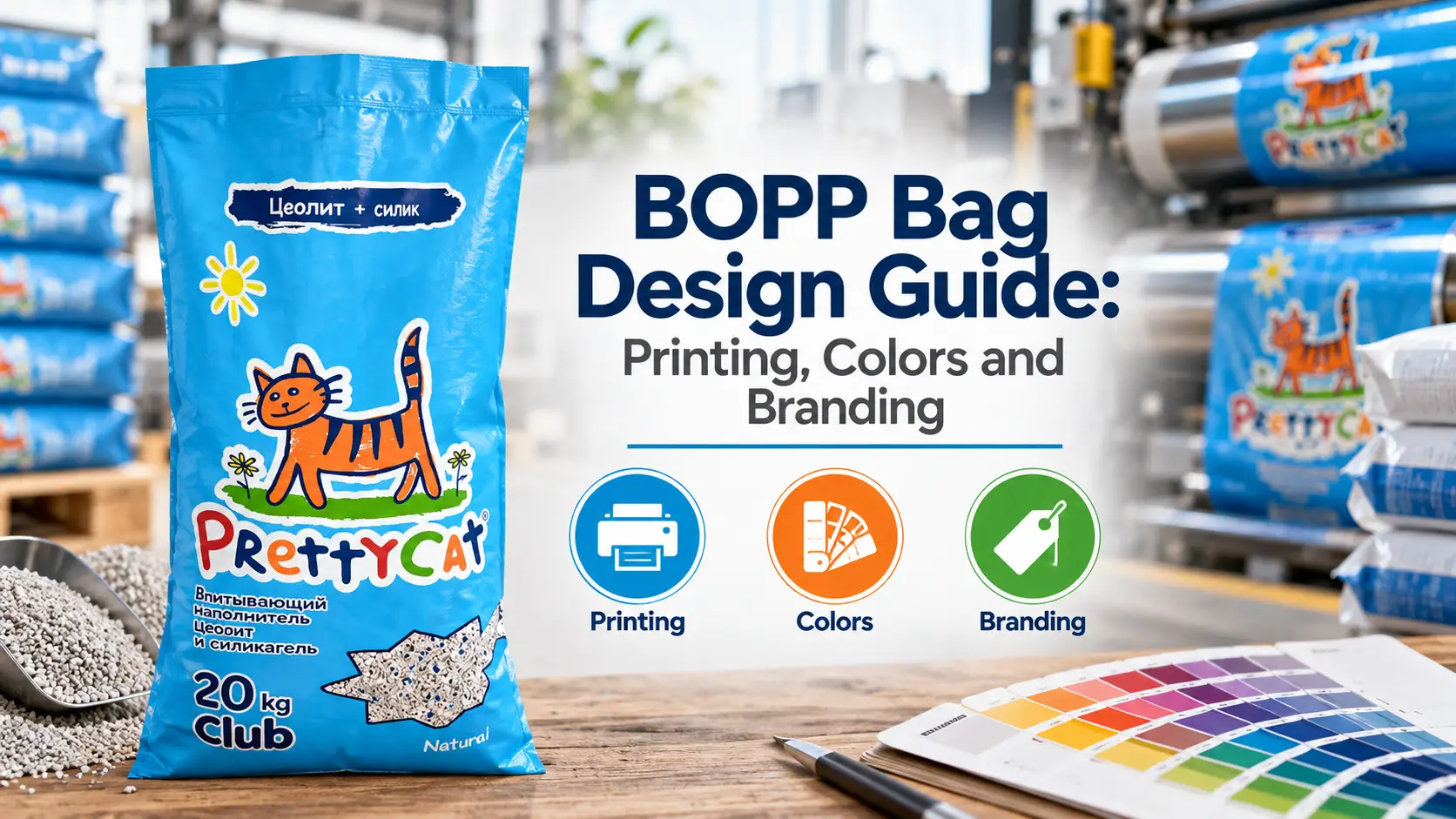
XIFA applies reverse printing to BOPP bags. The printed film is then laminated to woven polypropylene. Only after this step is it cut and sewn into bags.
Thus, a printed BOPP bag HSN code has to be looked at just like an unprinted one, taking into account the manufacturing details. Information regarding printing has to be included in technical and commercial documentation as appropriate.
For instance, XIFA produces gravure-printed BOPP woven bags with single-side and double-side lamination. Such specifications help customs officers in understanding what is being shipped.
The GST Schedule in India presently classifies woven/non-woven bags manufactured with polyethylene or polypropylene strips as falling under 3923 or 6305 headings. The GST rate is stated to be 18%.
Nevertheless, it is important to verify the correct code for the particular product. Classification as per customs and GST requirements can be obtained from the latest official schedules.
In the case of export documents, a commercial invoice, packing list, transport document, and description of goods are required. Certificates of origin/other may be required based on destination/buyer requirements.
The BOPP bag HS code shown in the documents has to be consistent with the classification chosen.
Classification should start with a technical specification rather than a supplier’s marketing name.
First, identify whether the product is film, fabric, or a finished packing bag. Next, record the base material, lamination, coating, dimensions, and finished construction.
Then check the destination country’s current tariff schedule. For uncertain classifications, importers can consult a customs broker or seek a binding or advance ruling where that procedure is available.
The HSN code for BOPP bags used in India may also require more digits than the international six-digit HS framework. Those national digits should be confirmed before documentation is finalized.
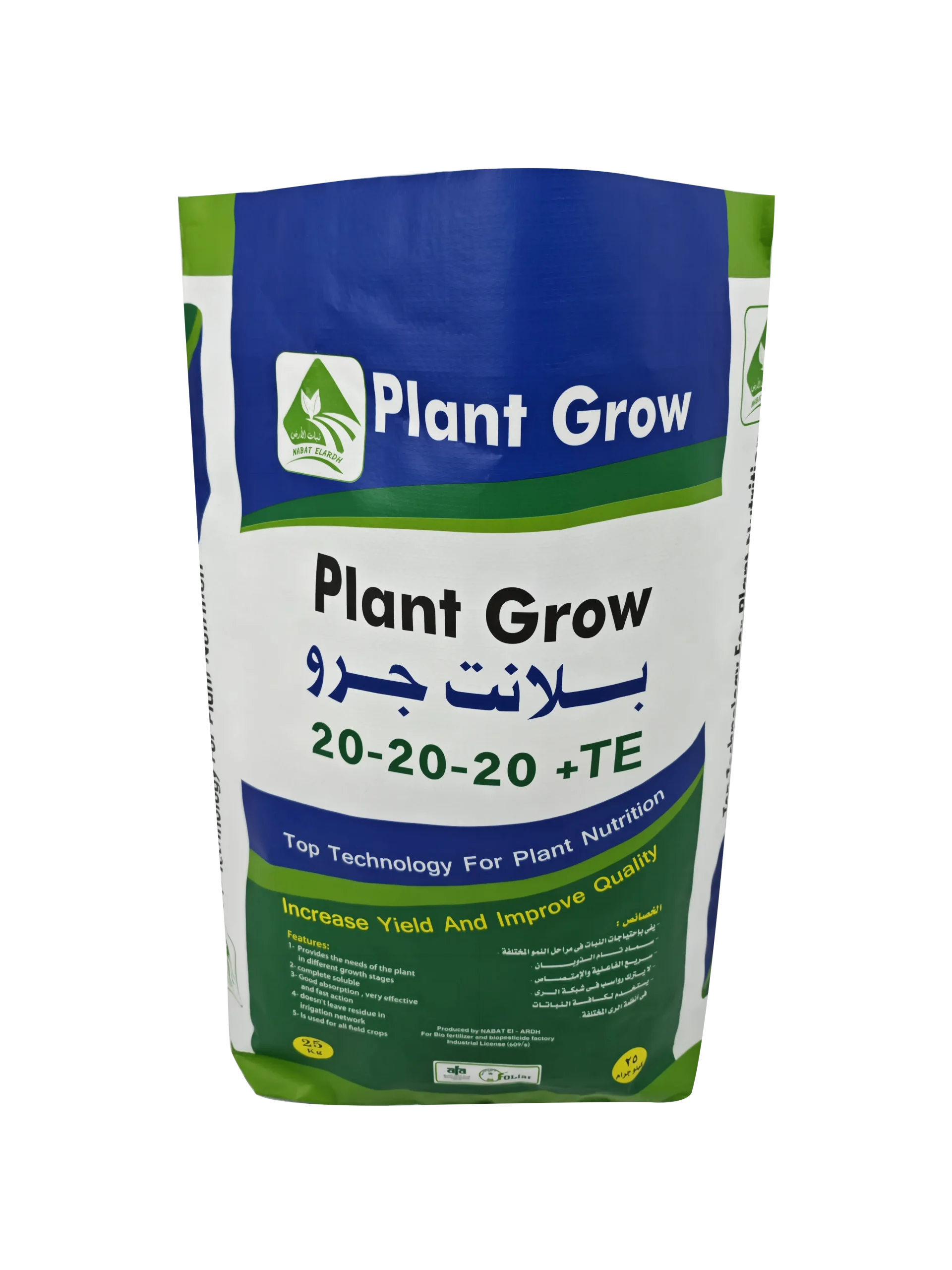
A buyer’s file must have sufficient information that will relate the customs description to the actual bag.
The specification must include the woven PP base, GSM, dimensions, BOPP lamination, print method, bag closure, and bag weight. Invoice and packing list descriptions must also be consistent.
Certificates that are required for food and regulated products must be requested prior to shipment.
XIFA supplies customized BOPP laminated woven bags for food applications, agricultural products, animal feeds, chemicals, and construction industries. It has customization options for dimensions, fabric weight, lamination, and printing.
In the case of India-based orders, buyers must also confirm the GST and customs information from the importer.
No. The code will depend upon whether it is a film, woven material, laminate, or packing sack.
Yes. CBIC explicitly covers laminated woven and non-woven PE or PP packing sacks in headings 3923 or 6305.
Heading 6305 commonly covers sacks and bags used for packing goods. However, certain plastic packaging can require consideration under heading 3923.
Not necessarily. A printed BOPP bag HSN code still depends mainly on the article’s construction and applicable classification rules.
The supplier can provide the technical specification and export documents. The classification needs to be made according to the destination country requirements by the importing party.
Contact XIFA to send the required bag structure, dimensions, GSM, printing, quantity, and destination country to request product specifications and supporting export documents.