



 by Simin Xiang
BOPP bags usually tear because of weak fabric, poor lamination, weak seams, overfilling, rough handling, low-grade resin, or weak process control. This article explains each failure point and shows how laminated BOPP bags can be engineered to reduce breakage during transport and storage.
Industrial buyers need more than surface print quality. They need packaging that holds shape, resists impact, and survives filling, stacking, and shipment. That starts with materials, process control, and testing.
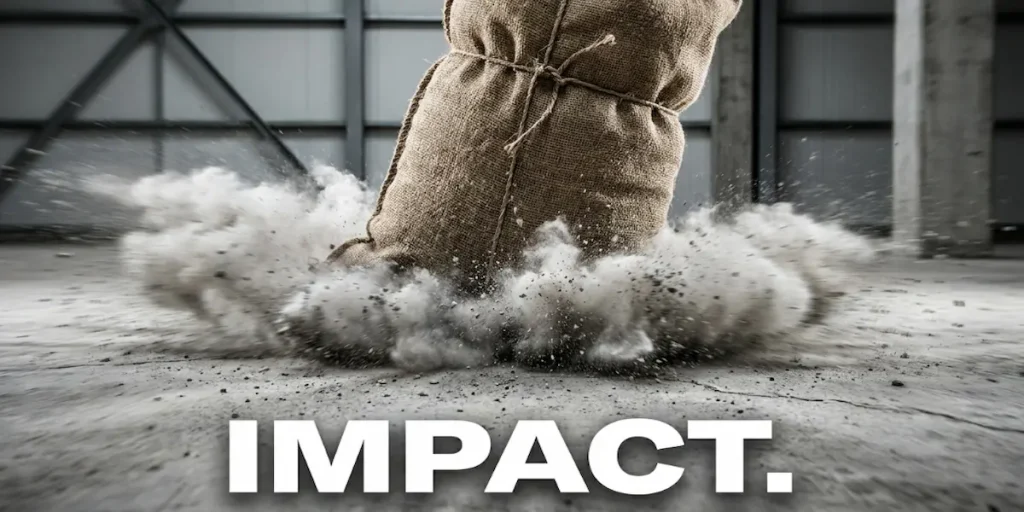
Transport damage often starts before the truck moves. Most tears form when the bag structure cannot absorb stress from filling, stacking, friction, or drops.
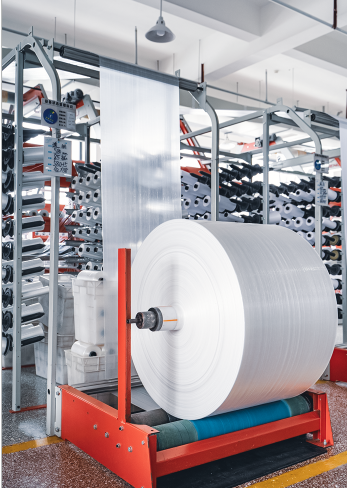
The woven PP fabric carries the load. If the fabric GSM is too low, the bag has less tensile strength and less resistance to puncture and split growth.
Thin tapes and uneven weave density create weak points. Under load, those points fail first near edges, corners, or seam zones.
The BOPP film and woven fabric must bond well. If the lamination temperature, pressure, or surface preparation is wrong, the film can peel or crack.
Once delamination begins, the bag loses stress distribution. That makes the outer layer split faster during handling.
Many tears start at the seam. Low-strength thread, poor stitch density, or weak corner reinforcement concentrates force where the bag closes.
Seam failure is common when heavy products are packed quickly. A strong body cannot compensate for a weak closure line.
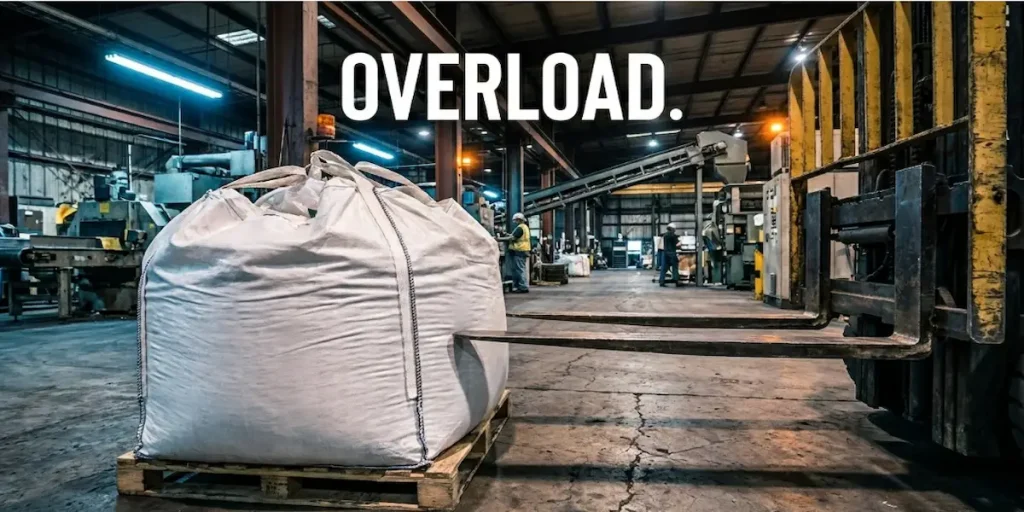
Filling errors create internal stress that the bag was never designed to carry. This is a common cause of breakage in bulk shipments.
Overfilling pushes side panels outward and overloads seams. It also reduces the headspace needed for proper stitching or sealing.
This creates a burst risk during pallet stacking. The problem gets worse when dense products are packed into undersized bags.
Sharp chute edges, rough floors, and excessive drop height can damage even well-made bags. Dragging bags also weakens laminated surfaces.
Forklift contact and poor pallet patterns add stress during movement. Repeated impact can turn a small cut into a full tear.
As an example, a feed plant packs dense product into undersized bags at high speed. Seam bursts rise during palletizing because the bags are overfilled and dropped too far onto the stack.
Material choice affects strength, flexibility, and consistency. This is one of the biggest differences between standard bags and engineered packaging.
The XIFA group uses 100% virgin polypropylene raw materials in its woven structure. This supports stronger tapes, more consistent fabric behavior, and better load performance.
Low-grade recycled material can vary from batch to batch. That variation may reduce tensile strength and increase brittleness, especially during transport stress.
| Material Factor | 100% Virgin PP | Low-Grade Recycled Material |
| Tape Strength | More Consistent | Often Variable |
| Flexibility | Better Under Load | Can Become Brittle |
| Fabric Uniformity | More Controlled | May Be Uneven |
| Lamination Support | Better Bonding Base | Bonding Can Be Less Stable |
| Transport Performance | Lower Breakage Risk | Higher Failure Risk |
This comparison is useful when buyers evaluate long-distance shipment risk, stacking loads, and product loss exposure.
Good design is not enough without process control. Bags need inspection during production, not just at the end.
The XIFA group follows over 10 quality inspection processes across production. These checks support control from raw material input to finished bag output.
The company also uses drop tests, sample retention systems, and QR-code traceability. That makes it easier to review batches and investigate any field issues.
Vertical integration improves control over fabric, bag conversion, and final inspection. It reduces variation between process steps and supports faster correction if a defect appears.
The XIFA group manufactures packaging products that include PP fabric, BOPP bag, FIBC big bag, and PE film bag. This broader production control helps support consistent packaging performance.
As an example, an exporter ships palletized fertilizer through humid ports and rough loading conditions. Better lamination bonding, stronger seams, and retained batch samples help reduce claims when bags face repeated handling.
Breakage prevention comes from matching structure to application. That includes fabric strength, lamination bonding, seam design, and handling conditions.
The XIFA group has worked in woven packaging since 1998. Its operations include a vertically integrated facility, large workshop capacity, and customization support for industrial buyers.
Its production approach emphasizes Quality First through material control, inspection, and traceability. This matters in agriculture, food, chemicals, construction, animal feed, and industrial packaging.
Available certifications and qualifications include ISO9001, ISO14001, OHSAS18001, BRCGS Food Grade, QS Food Packaging, and related production qualifications. These frameworks support disciplined manufacturing and documented controls.
For buyers comparing packaging options, that process discipline often matters as much as print appearance or bag cost.
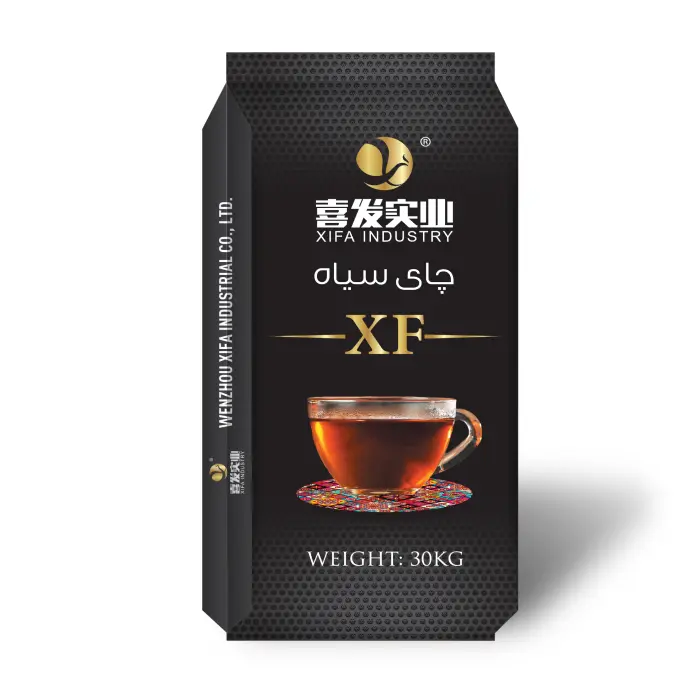
Tearing in bopp packaging bags is usually preventable when the design matches the application, and the process stays controlled. Material selection, lamination quality, seam strength, and testing all work together.XIFA group brings experience since 1998, customization capability, and documented process controls across woven packaging products. If you are comparing BOPP packaging bags for transport-heavy use, explore BOPP BAG | From Woven Polypropylene Bags Manufacturer and review which structure best fits your product and handling conditions, or visit XIFA Group: Woven PP Bags & Fibc Jumbo Bag Manufacturer for a broader view of its packaging solutions.