



 by Simin Xiang
Quick Answer: A bulk bag liner is an inner film layer used inside a flexible intermediate bulk container (FIBC) to protect dry contents from moisture, dust or contact with woven fabric. Choose material for the protection needed, then choose a shape that works with your filling and discharge equipment. Polyethylene (PE) suits many routine applications; multilayer foil may suit sensitive goods. XIFA offers liner options with its FIBC range, but the right specification depends on your product, closure, handling conditions and test evidence.
This guide explains the main liner materials and shapes, then shows what to check before requesting a quote. The key is to specify the complete bag and liner together, rather than choose a film in isolation.
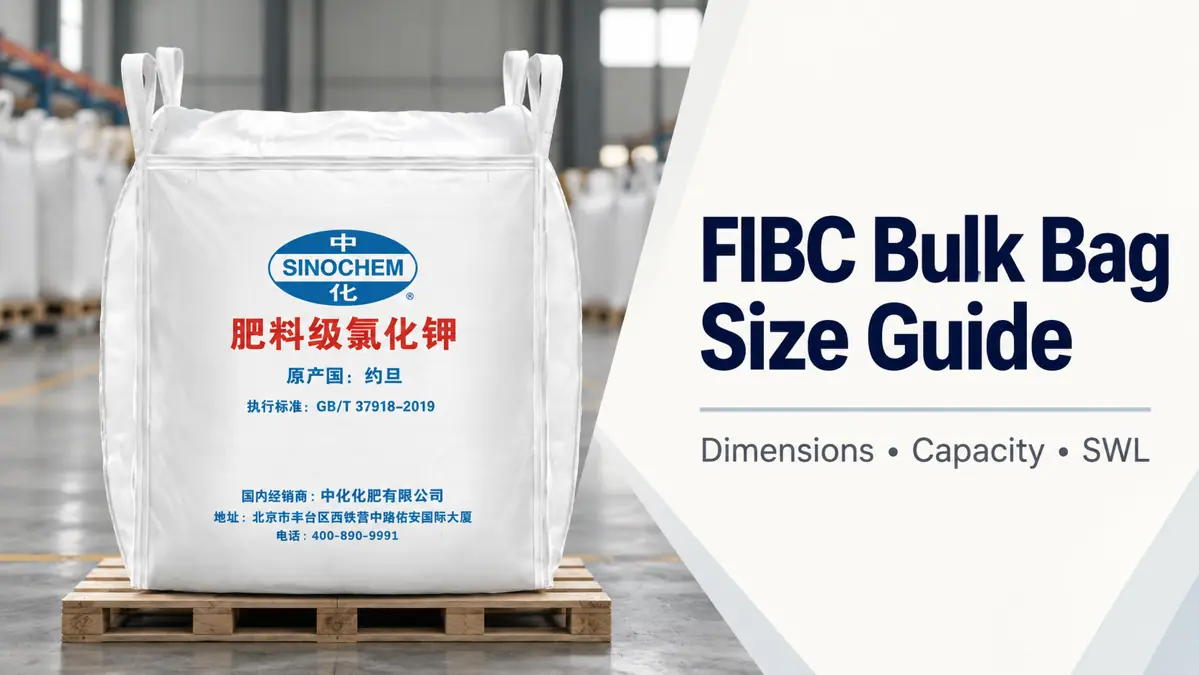
The woven polypropylene (PP) outer bag carries the load. The inner liner adds a separate layer between the contents and the bag fabric. It can help reduce dust ingress or product leakage and manage moisture exposure, depending on its film, seams and closure. A liner does not increase the FIBC’s rated lifting capacity.
Start by asking what could damage your product: humidity, oxygen, light, contamination or loss of fine powder. If your concern is moisture, look beyond the film itself. An open or poorly sealed filling spout can defeat an otherwise suitable bulk bag liner. XIFA’s guide to moisture protection in FIBCs explains how fabric, seams and liner work together.
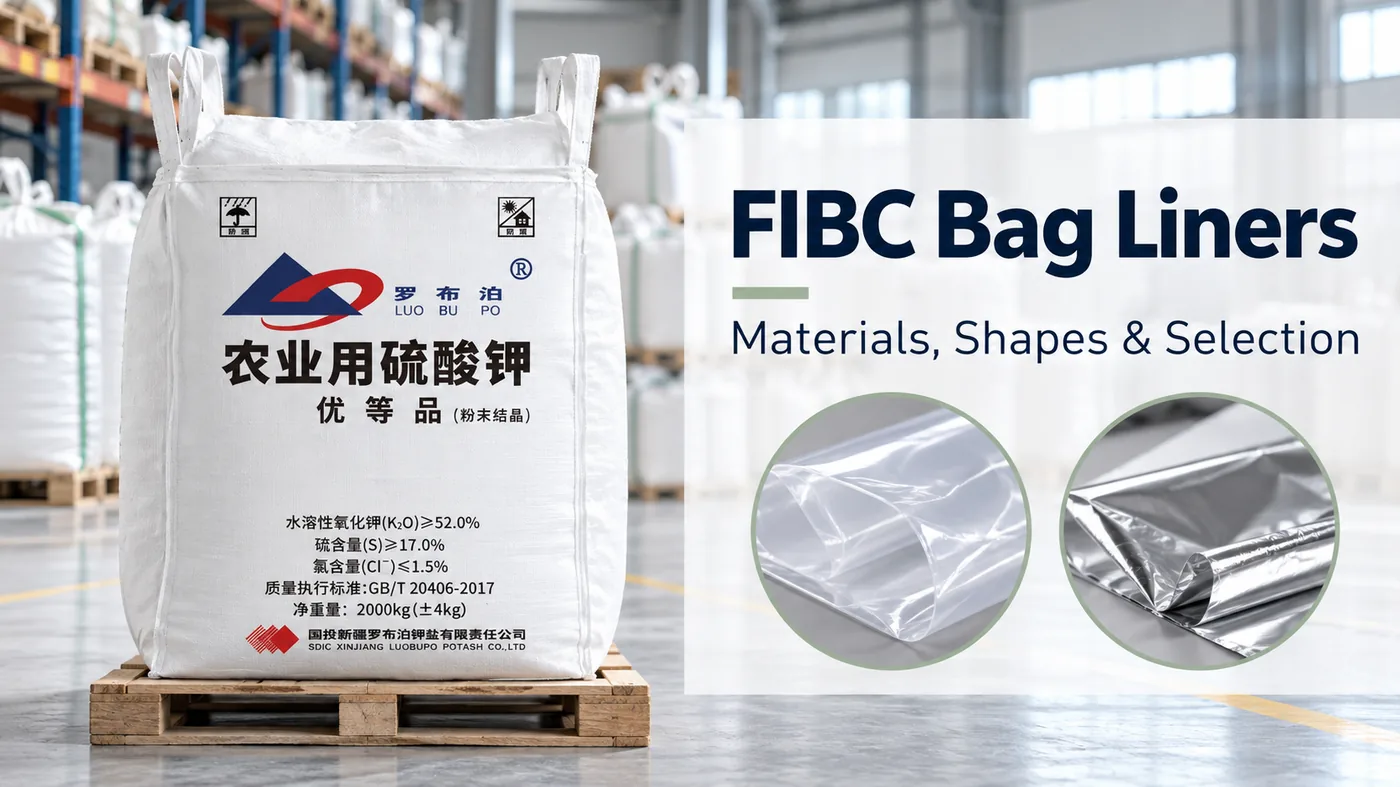
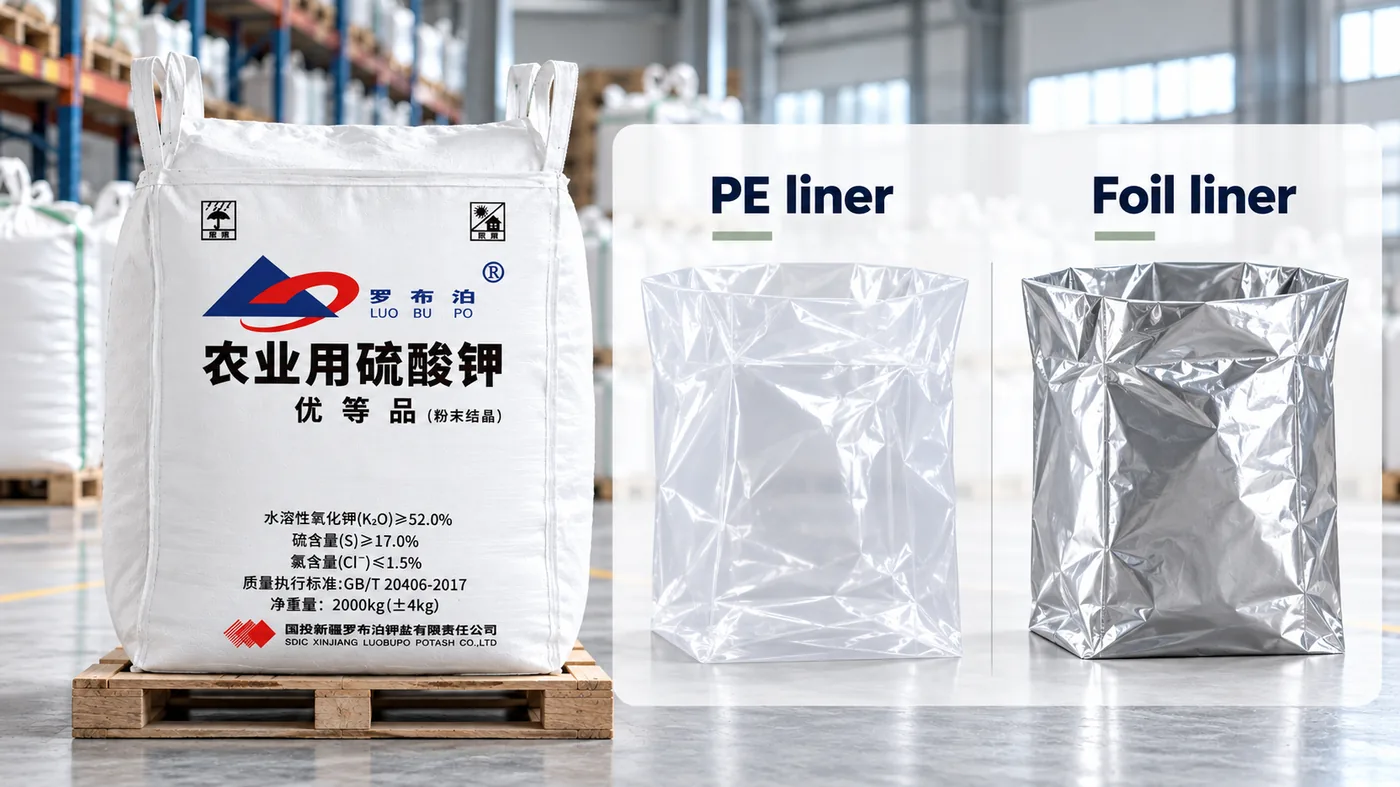
PE is a flexible plastic film and a common starting point for dry powders and granules. Low-density PE (LDPE) is flexible and can follow the bag’s shape; high-density PE (HDPE) is generally stiffer. Film grade, thickness and seal design still matter more than the label alone. Specify the product and exposure conditions before treating any PE bulk bag liner as an adequate barrier.
For routine dry ingredients or fertiliser, a PE bulk bag liner may be a practical choice when the main needs are separation from the fabric and basic moisture management. It is not automatically suitable for every chemical, food product or storage period. See XIFA’s PE liner overview for a closer look at the material.
A foil bulk bag liner combines metal foil with polymer layers to reduce the passage of moisture, oxygen and light. Consider it when product stability depends on a stronger barrier, particularly over long storage or difficult shipping conditions. The final result depends on the full laminate, welds, spouts and closure; foil by itself is not a promise of zero transmission.
Ask for barrier data tied to the proposed construction and storage conditions. A filled-bag trial also helps reveal damage at folds and discharge points. XIFA’s PE versus foil comparison offers more background, but your product’s sensitivity should decide the specification.
Yes, they may. For direct food contact, request evidence that the specific film and finished liner meet the rules in your destination market. Clean handling and suitable bag construction matter as well. XIFA describes PE liner and contamination-control options in its food-grade FIBC range; confirm the documents for your order before approving the pack.
If a powder or filling area presents an electrostatic hazard, have a qualified safety team specify the complete FIBC and liner system. Do not assume that a foil layer or a label saying “antistatic” makes a bag safe in a hazardous atmosphere. The liner must be compatible with the chosen FIBC static type and the site’s handling procedure.
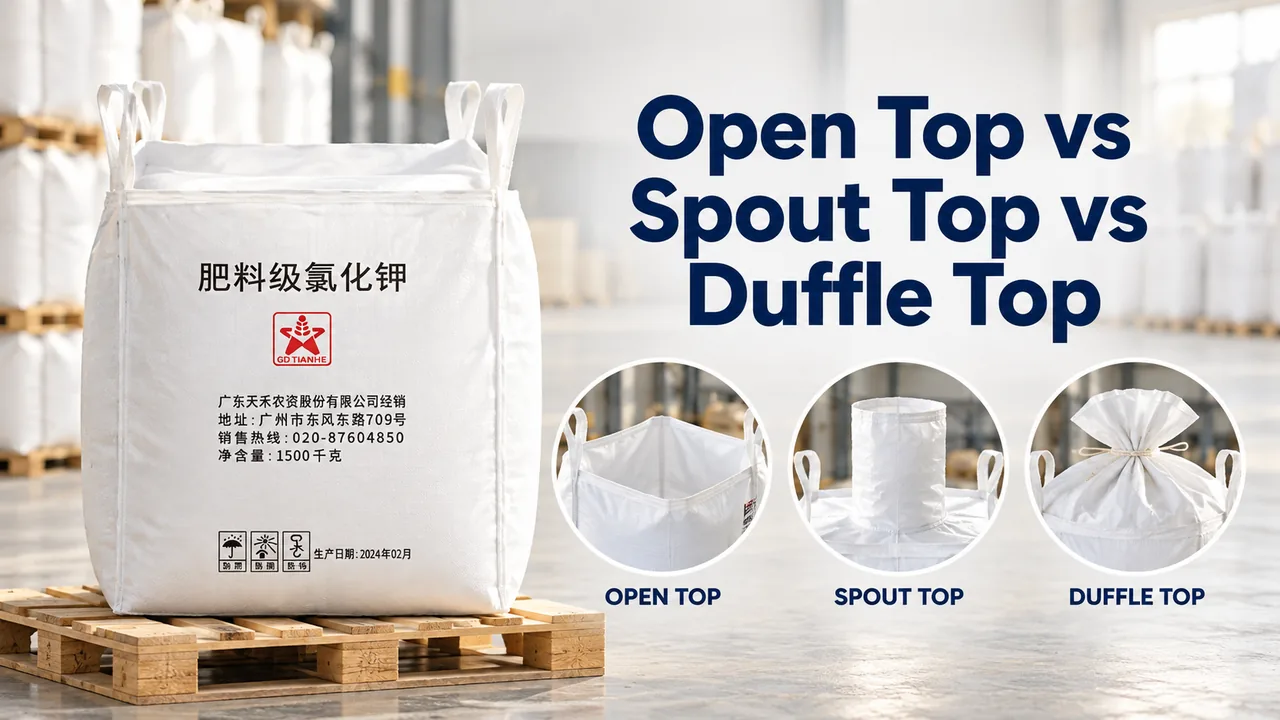
A tubular or lay-flat bulk bag liner is a simple sleeve placed inside the outer bag. It may suit straightforward filling when the liner can be positioned and held securely. Check whether it twists, drops into the bag or blocks the discharge opening during a trial. A gusseted liner has folded sides that open out to better follow a square bag.
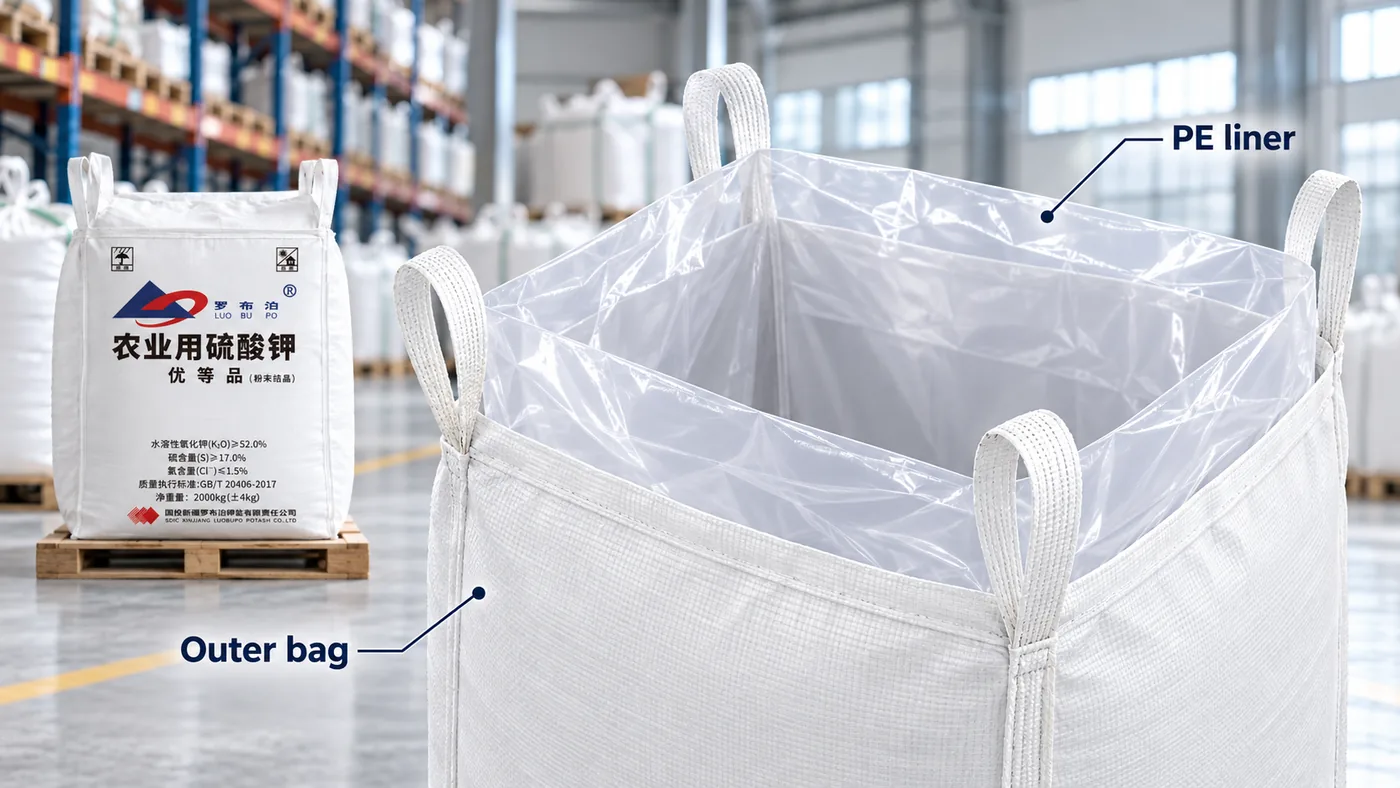
A form-fit bulk bag liner is shaped to match the FIBC’s panels and openings. It can reduce excess film that interferes with filling or emptying. A baffled liner also has internal panels that help a filled bag hold a squarer profile. These designs can be useful for controlled discharge or tight pallet space, but they need closer agreement on dimensions and attachment points.
Match liner openings to the bag’s filling top and discharge bottom. If a discharge spout is needed, check that the liner spout can be opened and secured safely. XIFA’s FIBC construction options show why the outer bag shape and openings must be selected alongside the liner.
Give your supplier enough information to propose a testable specification:
For fine powders, inspect both liner closure and outer-bag seams for sifting. For moisture-sensitive goods, test the proposed pack under realistic storage conditions. For food or hazardous applications, ask for documents that cover the actual material, construction and intended use. XIFA’s FIBC product page is a starting point for bag configurations; your approved drawing and test plan should define the order.
Choose PE when it meets the product’s protection needs and works cleanly on the line. Consider a multilayer foil liner when measured barrier performance is needed. Choose a loose liner for simple handling, or a form-fit or baffled design when alignment and discharge control justify it. In every case, verify the whole FIBC and liner assembly before repeat production.
Share your product, target fill weight, bag dimensions, filling and discharge setup, storage conditions and required evidence with XIFA’s team. We can discuss a suitable bulk bag liner and outer-bag construction for your purchasing programme.