



 by Simin Xiang
Quick Answer: Choose an open top FIBC when fast, unrestricted filling matters and the contents can remain exposed. Choose a spout top when your filling chute needs a defined inlet and better dust control. Choose a duffle top bulk bag when you need a wide filling opening that can be tied closed afterwards. None of these tops alone makes a bag dustproof or moistureproof. XIFA can match the opening, liner and bag construction to your product, filling line and handling plan before you approve a specification.
The top of an FIBC—short for flexible intermediate bulk container, or bulk bag—controls how material enters and how the filled bag closes. If you are weighing a duffle top bulk bag against open and spout styles, this guide helps you shortlist a design and ask suppliers the right questions.
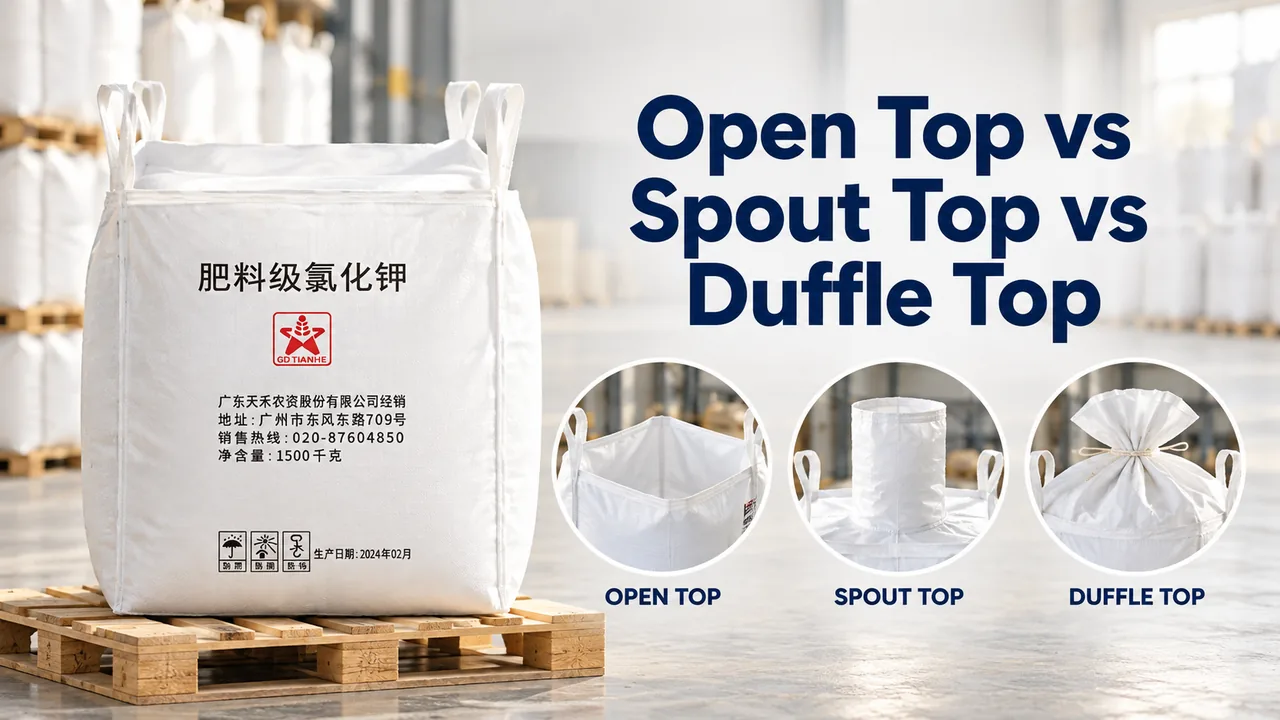
| Top style | Filling access | Closure after filling | Usually worth considering when |
|---|---|---|---|
| Open top | Full bag opening | No built-in top closure | Large, coarse materials and a process that permits exposure |
| Spout top | Smaller fabric inlet sized to a filling chute | Spout can be tied or otherwise closed as specified | A controlled filling connection and dust management matter |
| Duffle top bulk bag | Full-width fabric skirt | Skirt can be gathered and tied | Wide access is needed during filling, with a closure for handling |
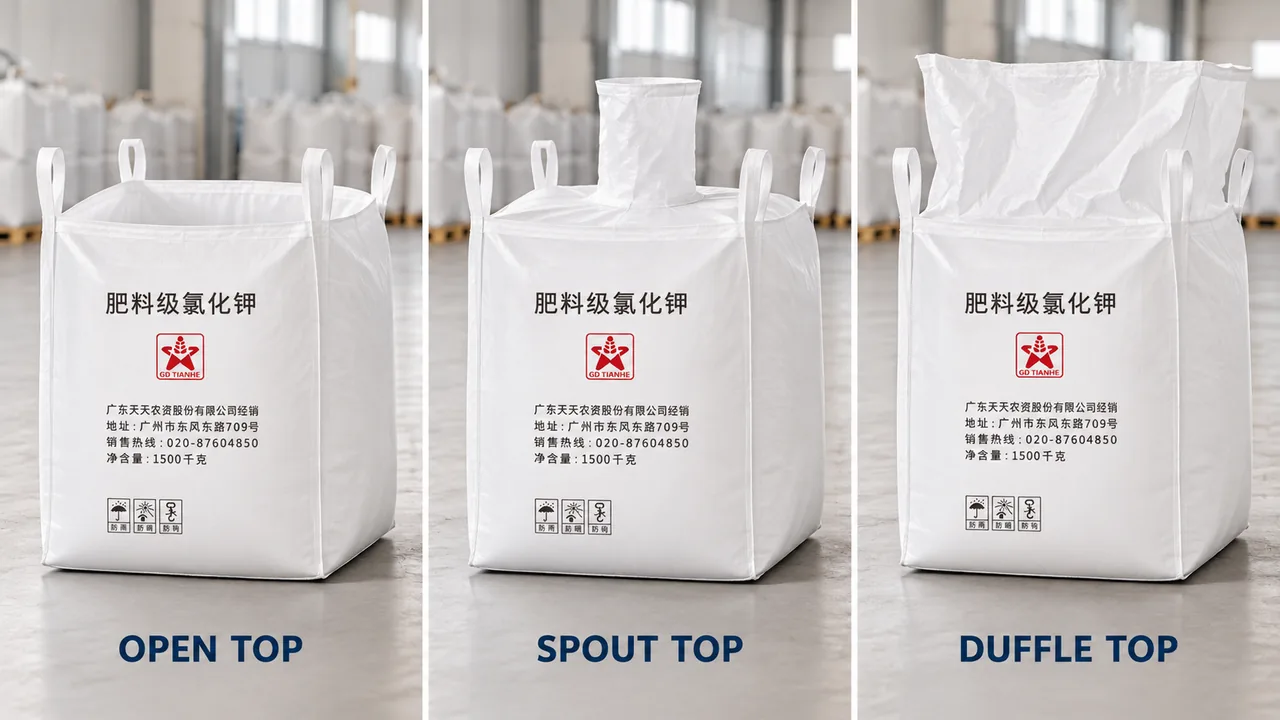
The names describe the top, not the whole bag. You still need to specify the body, lifting loops and bottom outlet. XIFA’s FIBC top and construction overview shows how these choices can be combined, while its FIBC bulk bag range provides a starting point for a custom brief.
An open top bag has no enclosing panel above the contents. A loader can place coarse materials such as sand, stone or scrap into the full opening without lining up a chute with a smaller inlet. That can simplify filling when the material is bulky or does not flow neatly.
The trade-off is exposure. During filling, movement and storage, an open top cannot contain dust or keep out rain and debris by itself. If your product needs protection, plan a separate approved cover or choose another top. The top choice also does not tell you how the bag empties; compare flat and spout bottom options separately.
A spout top has a fabric tube called a filling spout. It is designed to fit the customer’s filling chute, guiding product into the bag through a defined opening. For flour, fine mineral powder, resin pellets or fertiliser granules, this can make a spout top a practical starting point when your line has a compatible filling head.
Connection details matter more than the label “spout top.” Ask for the inlet diameter and length, how the spout attaches to the filler, and how operators close it after filling. Compared with a duffle top bulk bag, the narrower inlet gives the filling line a more defined connection. It still cannot promise dust-free operation: check the filler, venting, seams and liner together. XIFA’s FIBC bag selection guide is useful when you are also comparing body and handling options.
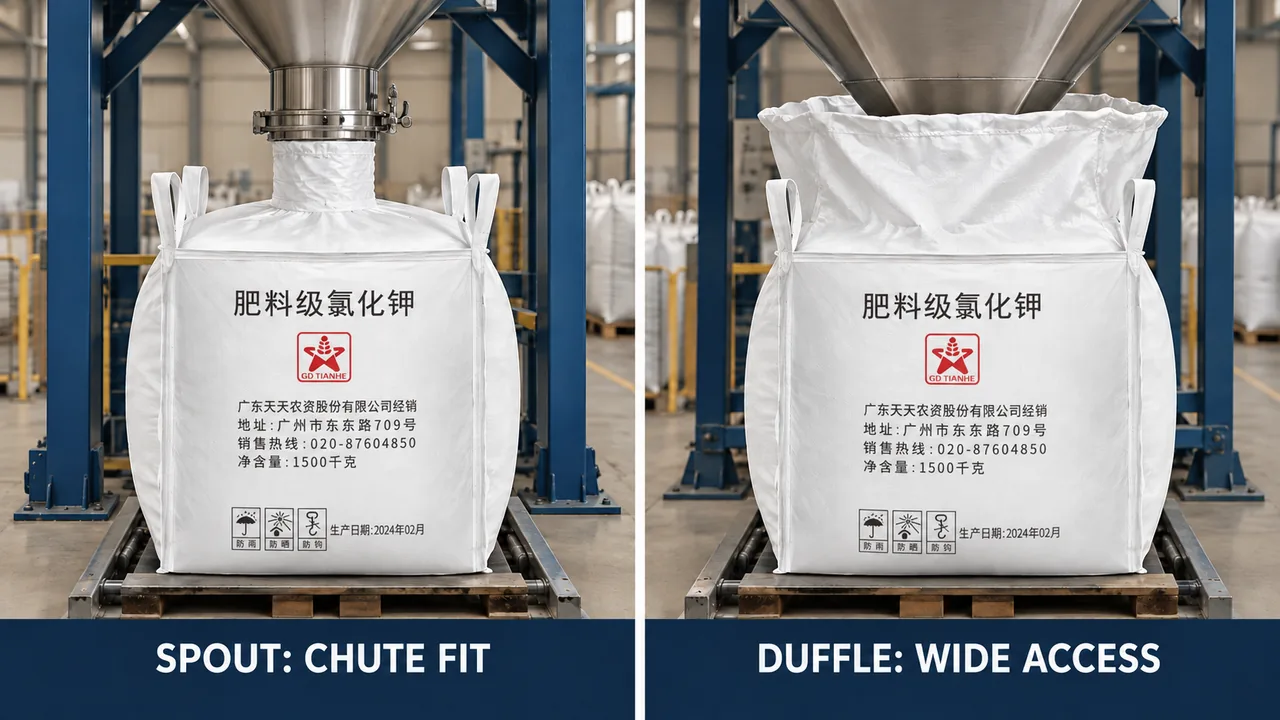
A duffle top bulk bag has an extra fabric skirt extending above the full opening. Operators can open the skirt wide for filling, then gather and tie it closed. It suits a process that needs more access than a filling spout provides, but still needs a top closure before storage or transport. You may also see this style called a duffel top or skirt top.
For granules, feed ingredients or irregular pieces, the wide opening can accommodate equipment that does not connect neatly to a narrow spout. A duffle top bulk bag may also help when the filling method changes between sites. During filling, however, that wide opening remains exposed. If airborne dust is a concern, compare it with a spout top under actual line conditions rather than assuming the tied skirt will solve the filling-stage problem.
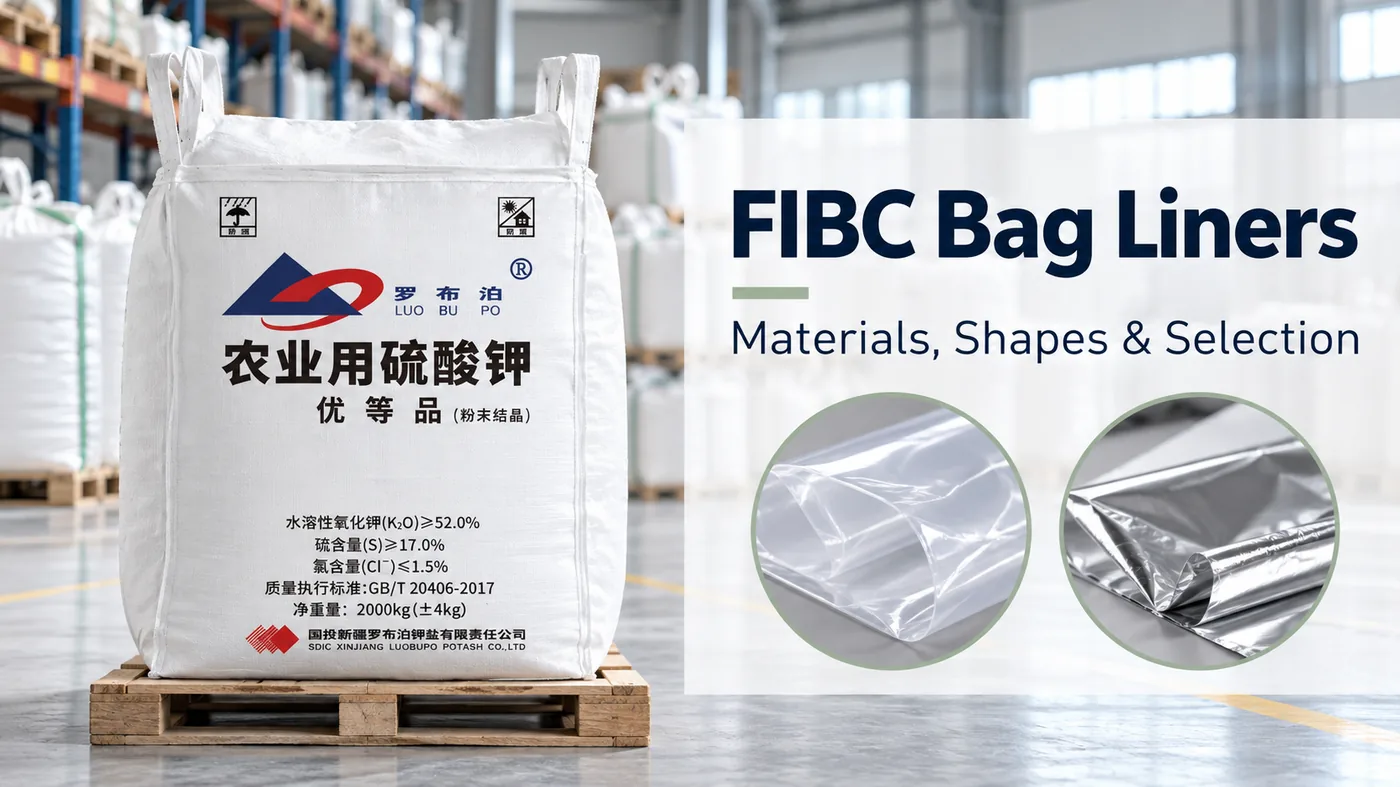
The tied skirt is a closure, not a tested moisture barrier. For sensitive contents, discuss the liner and closure as one system. XIFA’s guide to PE and foil bulk bag liners explains why the contents and storage conditions matter. A food-ingredient FIBC also needs order-specific material, hygiene and contact-compliance checks; the top style alone does not establish food suitability.
Start with the product and the filling process, then ask XIFA to check the complete bag design. The FIBC BIG BAG product page shows the general product family, but the final construction needs an approved order specification.
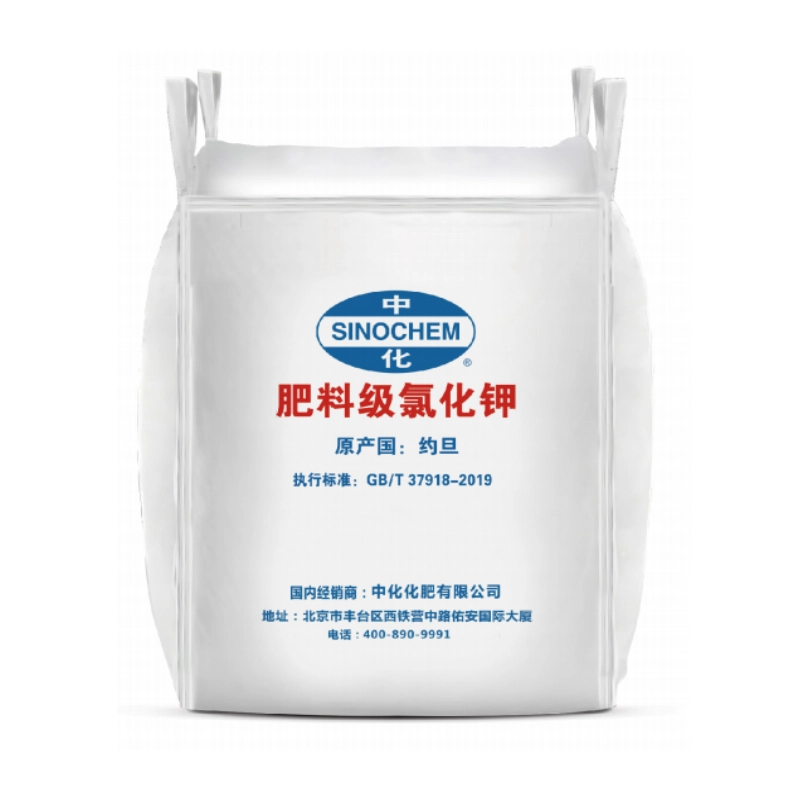
Safe working load (SWL) means the maximum working load stated for an approved bag design; do not infer it from bag size or from a general product photo. If you handle fine powder, ask how seams, fabric coating and the liner work with the selected top. If a combustible dust or flammable atmosphere is involved, determine the static requirements from your material and site assessment before selecting a bag type.
Choose open top for unrestricted filling when exposure is acceptable, spout top for a compatible chute and more controlled filling, and a duffle top bulk bag for wide access followed by a tie closure. The best choice still depends on the actual product and line. Send XIFA your material details, filling-chute dimensions, target fill weight and closure requirements through the enquiry form; the team can review a suitable top, liner and full FIBC specification for your bulk order.