



 by Simin Xiang
Quick Answer: Cleanroom FIBC bags are bulk bags made under defined contamination controls for sensitive dry products. Buyers should check where cutting, sewing, liner insertion, inspection and packing happen; how people, air and materials are controlled; and what records support each claim. A clean production area alone does not prove an ISO cleanroom class or food-contact suitability. XIFA offers configurable FIBC structures, liners and hygiene controls, so the useful next step is to match the proposed bag and documented process to your product and filling line.
This guide shows which controls affect the finished bag, what evidence to request, and how to turn that information into a purchase specification. The practical rule is simple: approve the complete bag and its production route, not a label that says “cleanroom.”
A flexible intermediate bulk container (FIBC) is a woven bag for moving dry bulk goods. Cleanroom FIBC bags add defined controls to reduce particles, loose fibres and other unwanted material during production. A cleanroom is an area where airborne particle levels are measured and controlled. The word does not mean the bag is sterile.
Ask which production steps occur in the controlled area. A supplier may make fabric elsewhere, then cut, sew and pack the bag in a cleaner zone. That can be useful, but it is different from making every component in a classified room. If an ISO class is required, request the classification report for the relevant room, site and operating condition rather than accepting a general factory certificate.
Start with the route taken by fabric, thread, spouts and liners. Ask how materials enter the controlled area, how equipment is cleaned, what staff wear, and how the room is monitored. These details matter because contamination can enter after a clean raw material has been selected. Virgin polypropylene (PP) may be specified for a food application, but virgin resin alone does not make a finished bag suitable for food contact.
XIFA’s food-grade FIBC solution describes virgin-PP construction, air cleaning, metal detection and optional liners. For cleanroom FIBC bags, confirm which of those controls apply to the proposed design and production site, then ask for the relevant records.
Cutting can leave loose fibres; sewing introduces thread ends and needle-breakage risk; liner insertion creates another handling step. Ask how the supplier removes debris, controls needles and checks the bag interior before packing. A metal detector is useful only when its position, sensitivity, verification method and reject procedure are defined for the order.
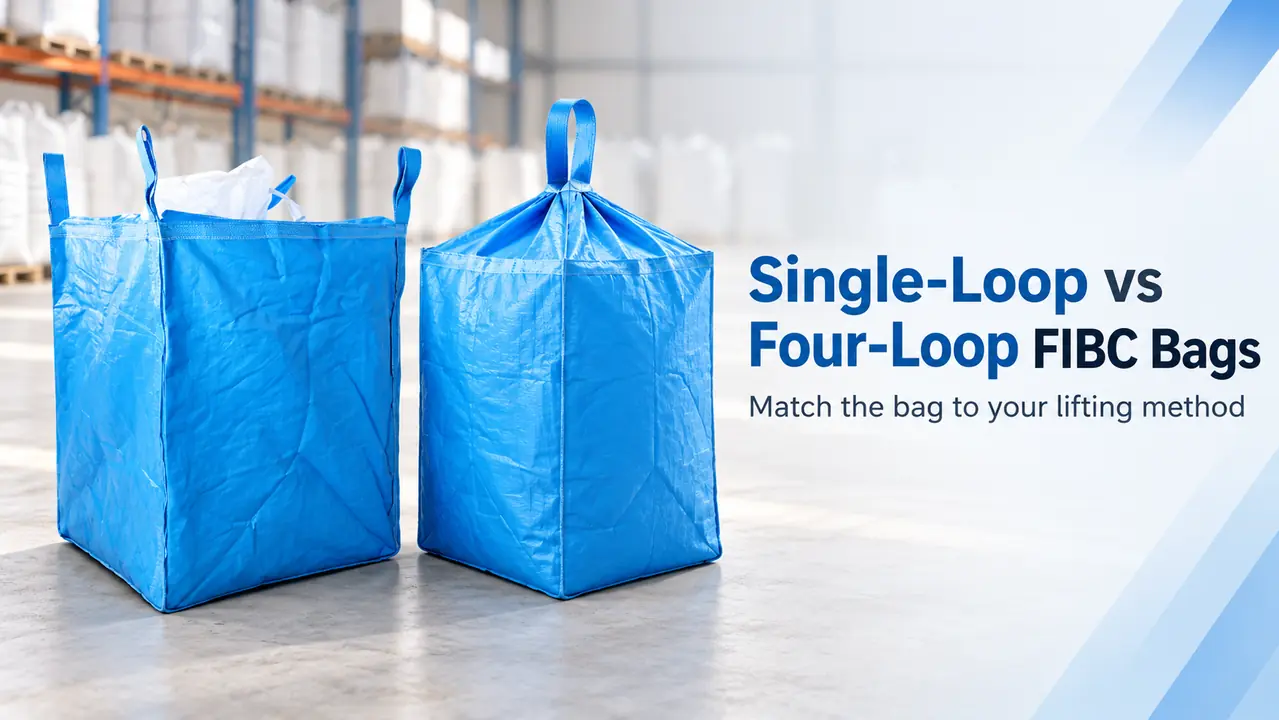
For cleanroom FIBC bags, the inspection should cover the full assembly: body fabric, seams, filling spout, discharge spout and liner. Fine powder can sift through a poorly designed seam or escape at an opening even when the room is clean. XIFA’s FIBC construction options help buyers compare body styles and openings before specifying a trial.
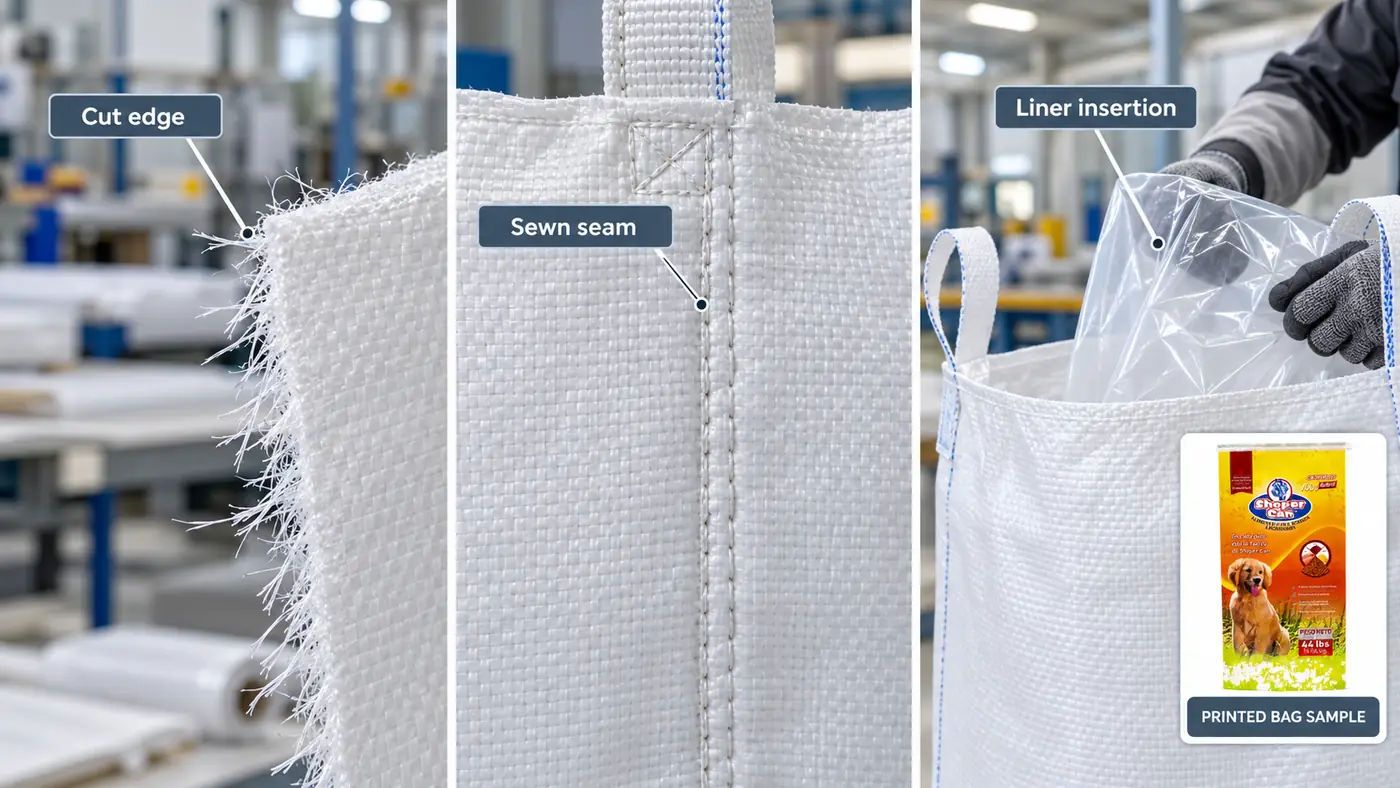
Packing is part of the control plan for cleanroom FIBC bags. Ask whether bags are folded and wrapped in the controlled area, how the protective pack is sealed and labelled, and what happens if it is damaged in transit. Specify how your filling team should open and handle the pack. Otherwise, a carefully made bag can pick up dust before it reaches the filling spout.
First define the contents: particle size, sensitivity to moisture, intended contact surface and any electrostatic hazard. Then confirm target fill weight, bag dimensions, safe working load (the rated maximum fill weight), lifting method and top and bottom openings. A liner can separate the product from woven fabric, but its film, fit, seams and closure must suit the product and equipment. XIFA’s guide to FIBC liners is useful background when comparing liner options.
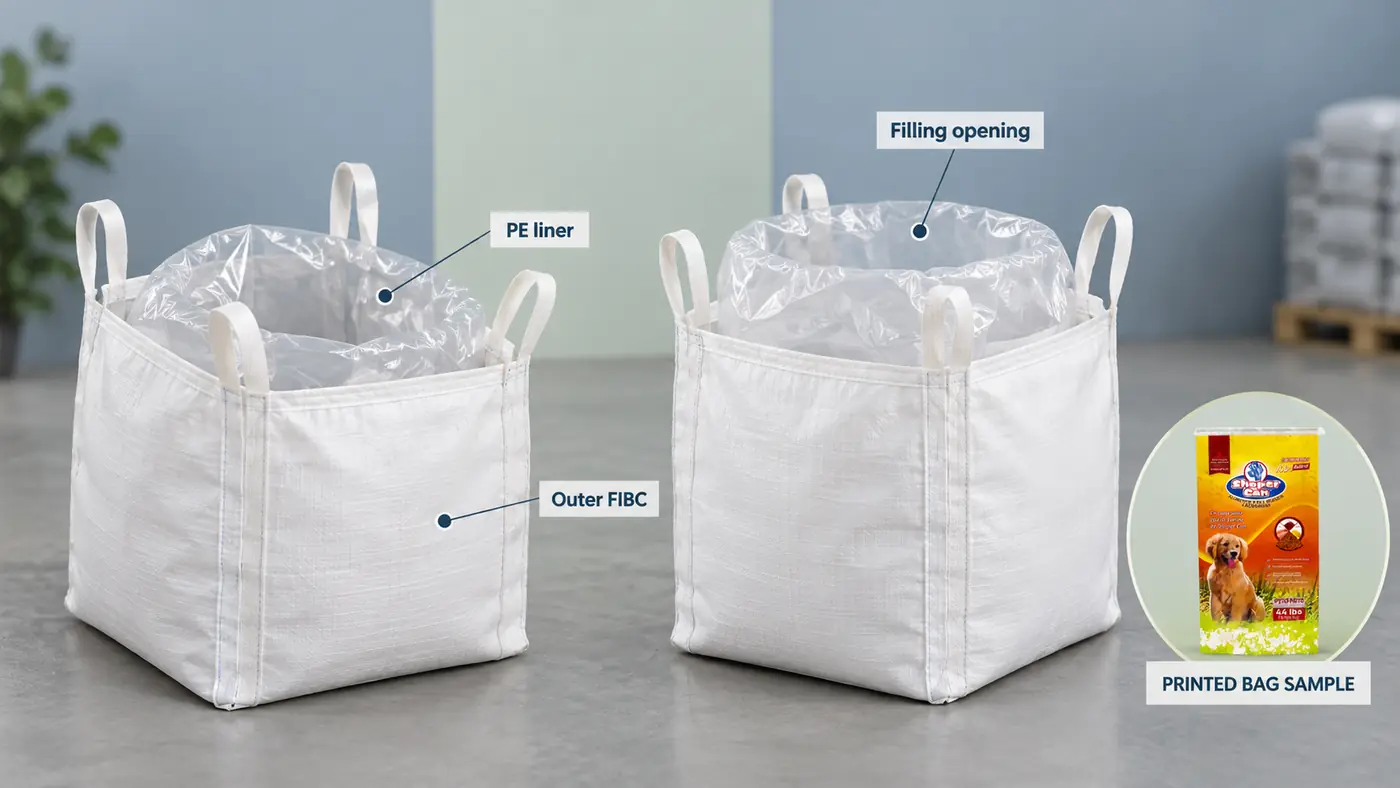
For food ingredients, ask for a declaration or test evidence covering the specific material and intended contact conditions in your destination market. For pharmaceutical materials, have your quality team define its own cleanliness and documentation requirements. Neither use follows automatically from a “food grade” or “pharma grade” label. XIFA’s existing pharma-grade FIBC overview describes available design ideas; the order still needs its own approved specification.
If your powder or filling area has a static ignition risk, obtain a qualified assessment for the complete FIBC-and-liner system. Do not choose a Type C or Type D bag by product name alone. For moisture-sensitive goods, test the liner and its closure under expected storage conditions; cleanroom production does not make a bag moisture-proof.
For cleanroom FIBC bags, ask for a short evidence pack tied to the actual order:
XIFA describes raw-material, process and outbound checks on its quality-control page. Ask which reports can be supplied for your FIBC order, including the sampling plan and any nonconformance process. A certificate for a management system or a different facility does not replace evidence for the bag you are buying.
A specification for cleanroom FIBC bags is ready when your quality team can link the product risk, bag drawing, production controls, acceptance checks and filling trial. Compare suppliers on that agreed scope and landed cost, not on the phrase “cleanroom FIBC bags” alone. For recurring purchases, retain the approved sample and revision number so later batches can be checked against the same requirements.
XIFA’s FIBC bulk bag range offers a starting point for the body and opening design. Share your product, required cleanliness evidence, target fill weight, liner and spout needs, annual volume and destination through the XIFA contact page. The team can then discuss a suitable construction and what production records are available for your order.