



 by Simin Xiang
Quick Answer: Form-fill-seal (FFS) packaging makes, fills and closes bags on an automated line, usually from a continuous film roll. To choose FFS bags, start with your machine’s film path, the product’s weight and flow, and the finished bag’s handling needs. Then compare flat or tubular film, gussets, seal design and printing against a filled-line trial. XIFA supplies industrial PE packaging and helps buyers discuss custom bag specifications; confirm the exact roll format and machine fit before ordering. This guide shows what to check and why.
If you are sourcing FFS bags for a recurring industrial filling programme, the key question is whether the film and finished bag work on your line. Below, you will learn how the main supply formats differ, which bag features matter and what to send a supplier for a useful quotation. For a short process overview, see XIFA’s explanation of FFS packaging.
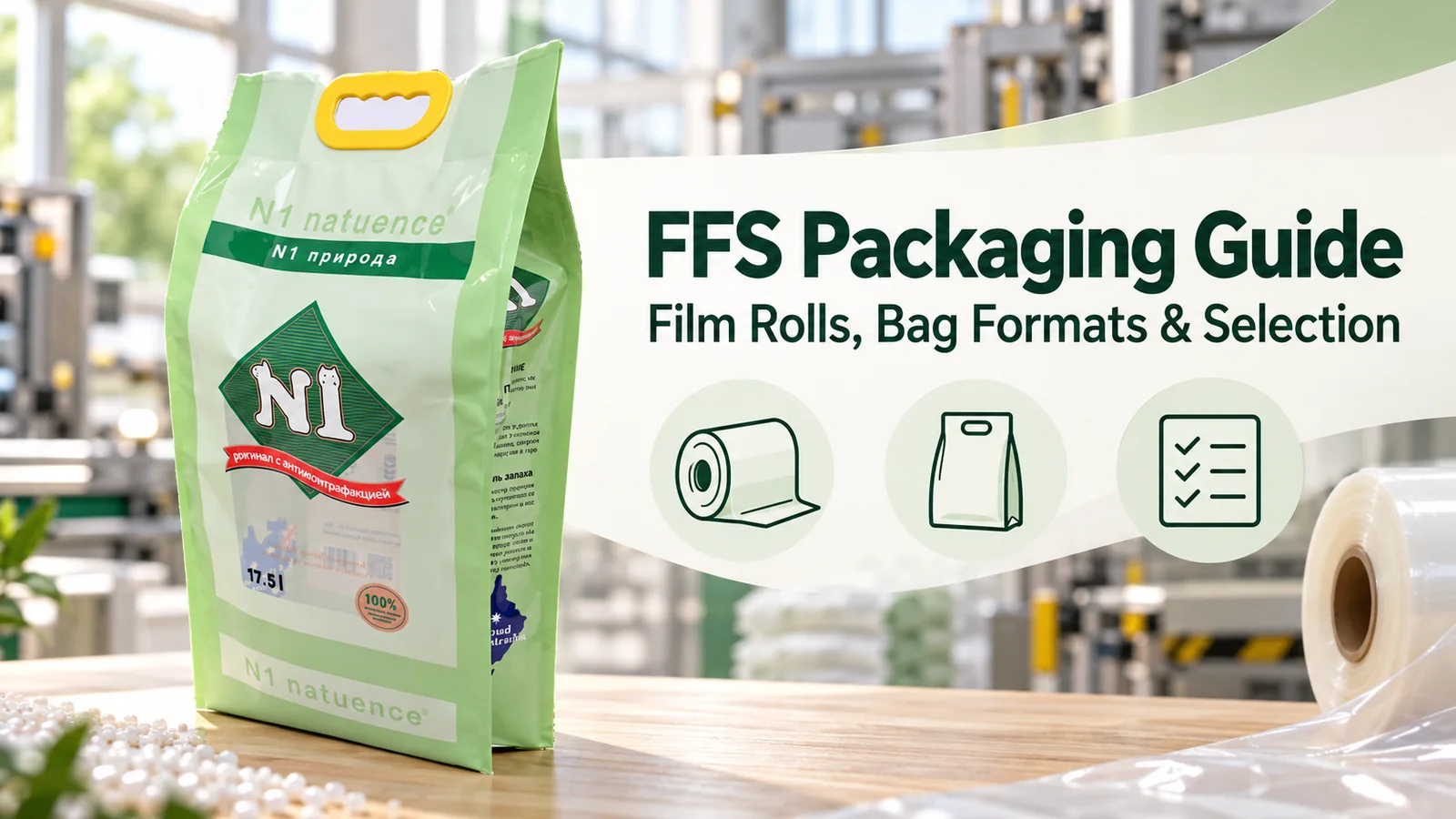
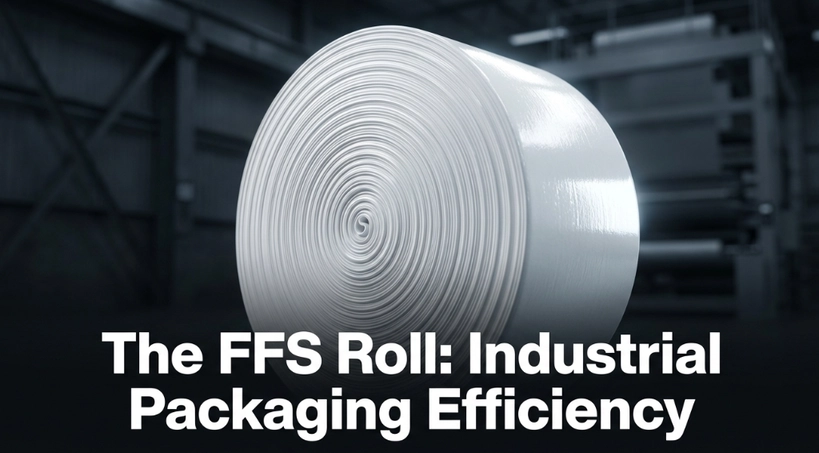
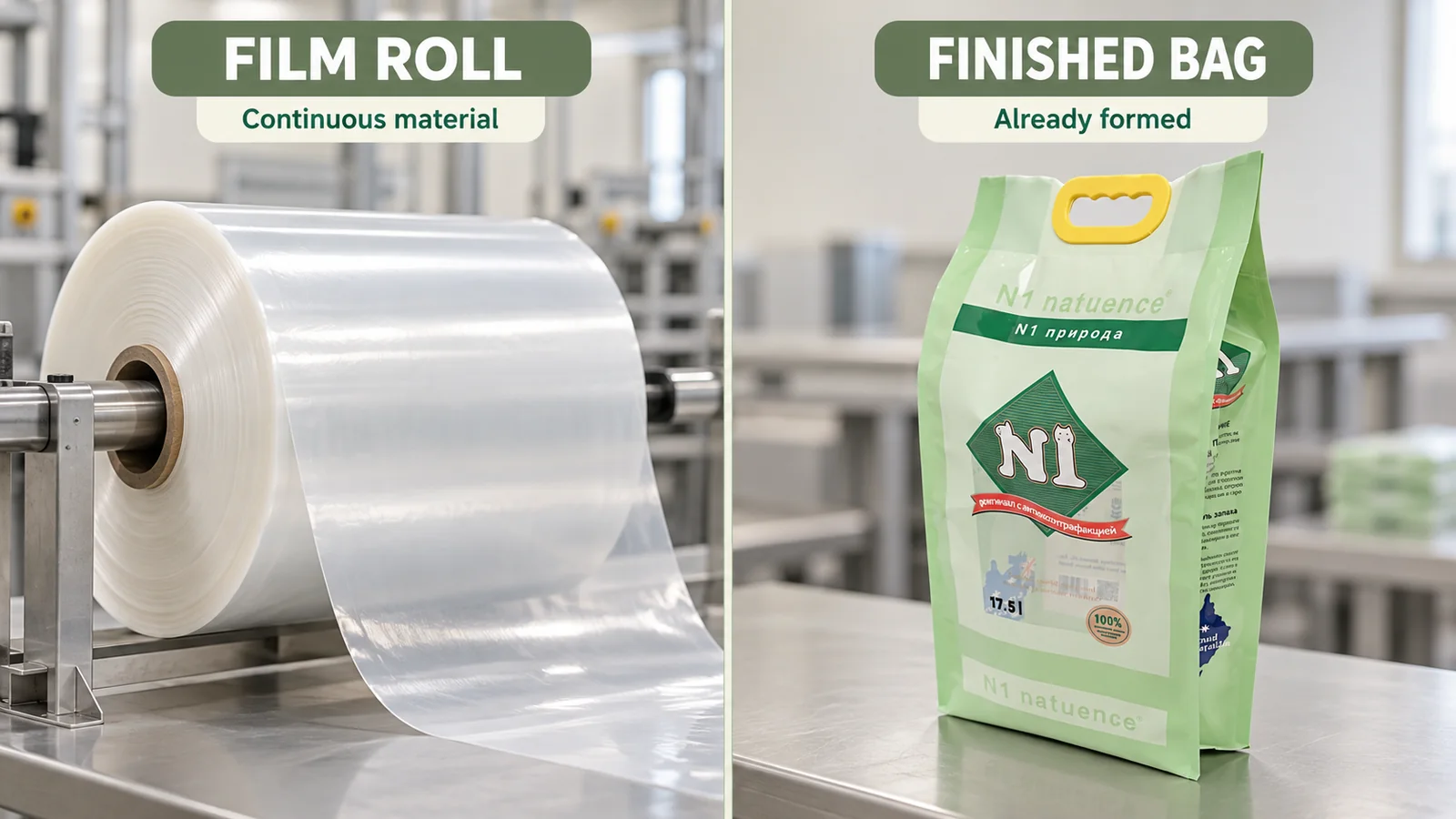
With roll-fed FFS, the machine draws film from a reel, forms a bag, fills it and heat-seals it. Roll stock means the continuous film supplied on that reel. A pre-made open-mouth bag arrives already formed and uses different feeding equipment; calling both “FFS bags” can hide an expensive mismatch. XIFA’s FFS versus pre-made bagging comparison introduces the two approaches, but the choice still depends on your actual line and operating costs.
Do not order FFS bags on a bag photo alone. Ask whether the offer is flat film, a tubular roll, or finished bags, and request a drawing showing how the material will feed through your machine. XIFA’s PE film bag range shows its wider polyethylene packaging scope; it does not, by itself, define a roll specification for your equipment.
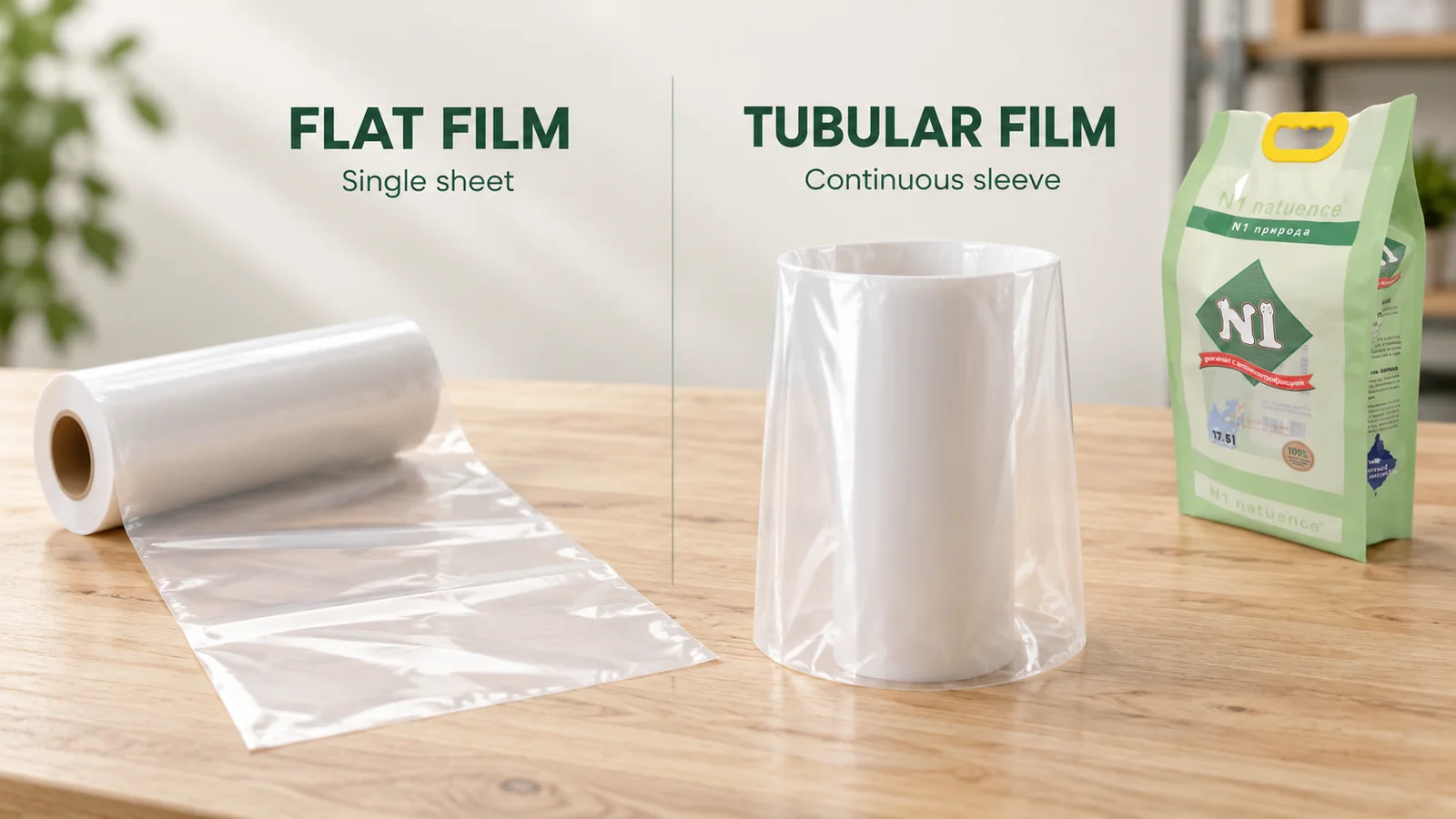
Flat film is a single sheet on a roll. The machine folds or forms it around a filling tube and makes the seals required by its design. Tubular film arrives as a continuous sleeve, so its two sides are already joined. Neither format is a universal upgrade: the correct one is the format your line is built to unwind, guide and seal. Start the enquiry with the machine specification.
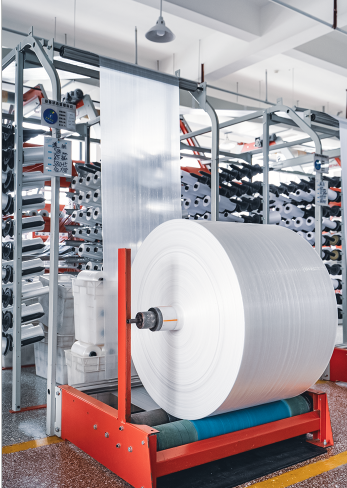
For FFS bags made from rolls, confirm roll width, core size, outside diameter, winding direction and any printed registration marks. Registration marks are small print targets that help the machine cut and seal at the right position. A roll that fits the spindle can still track badly or place artwork across a seal.
A gusset is a folded section that opens when the bag is filled, adding depth. It may help a filled bag take a more stable shape on a pallet, but its width and fold position must suit the forming and sealing parts of the line. Ask for a filled sample and pallet trial rather than assuming a gusseted roll will stack better for every product. Compare the filled footprint, seal areas and transport movement.
Start with what happens after filling. Simple pillow-style FFS bags can suit a straightforward, flowable product when the line makes sound end seals. A side-gusseted or shaped bag may be useful when pallet shape, display face or fill volume matters. For powders, check whether product dust can enter the seal area; for granules or rough contents, check puncture and drop performance. These are questions about the finished package, not just the film label.
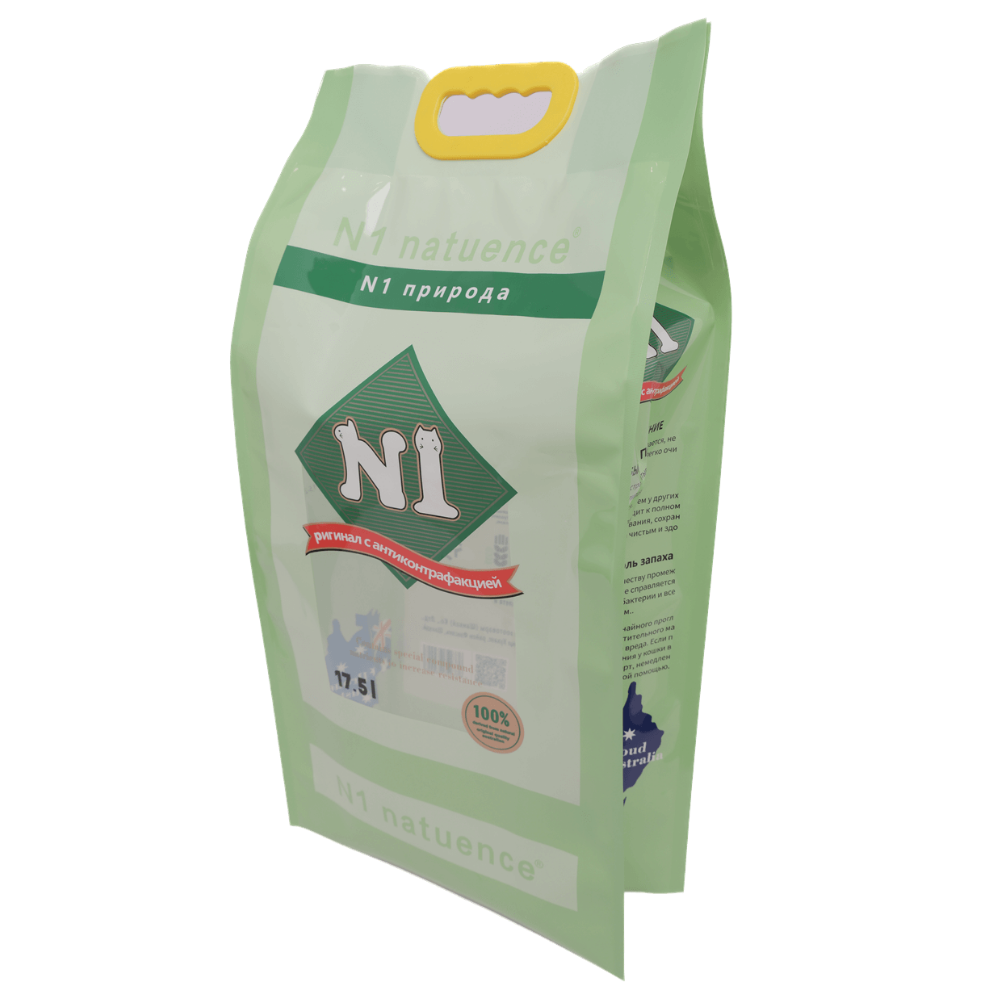
Specify the bag’s width, length, gusset depth, net fill weight and closure location on a signed drawing. If a supplier shows a finished PE bag as an example, ask whether the same construction can actually be supplied in the roll format your line needs. XIFA’s 25kg CAPA PE bag is an FFS-associated product example, but its public listing does not establish roll dimensions or compatibility with a particular machine.
Film gauge means thickness, commonly measured in microns (µm). It matters, but it does not tell you how a filled bag will survive a conveyor, pallet load or transport. Resin blend, total structure, seal strength and the product’s edges all affect performance. XIFA’s poly bag thickness guide explains the units; request the measurement basis and acceptable tolerance for your order.
For FFS bags, trial the proposed film at the intended filling speed and sealing settings. Check whether the seals remain sound after cooling, and test filled bags for the handling risks that matter to you. If moisture exposure is a concern, evaluate the complete closed bag, including seals and any vents. Avoid assuming that PE film alone makes every finished bag fully moisture-proof.
Printing also needs a line check. Agree on artwork, print direction, registration tolerance and the unprinted seal area before approving cylinders or production film. XIFA describes printing, conversion and inspection steps across its packaging workflow; the exact steps and quality checks should be agreed for the ordered construction.
For repeat orders of FFS bags, send the following in one brief:
Ask the supplier to identify anything that needs a line trial before the specification is approved. XIFA describes quality-control checks; agree on the records, samples and acceptance limits that apply to your order. Keep an approved film sample and artwork version for repeat purchasing.
In short: choose FFS bags by the machine interface and the tested finished package. Film format, gussets, gauge and print should all follow those two decisions. If you are planning a recurring bulk order, share your filling conditions, line details, artwork, quantity and destination with XIFA to discuss a suitable specification and quotation.