



 by Simin Xiang
Quick Answer: Industrial valve bags are preformed sacks with a small opening, or valve, that fits over a filling spout. They suit many dry powders and mixes, but the best choice depends on the product, filling machine, target weight, storage conditions and required closure. Paper, PP woven and composite structures each solve different problems. A self-closing valve can limit product escape, but it is not automatically airtight. XIFA offers custom valve bags and helps buyers match the bag structure and valve to their filling process.
This guide explains how the bags fill, when each material makes sense and what to check before requesting a production quote.
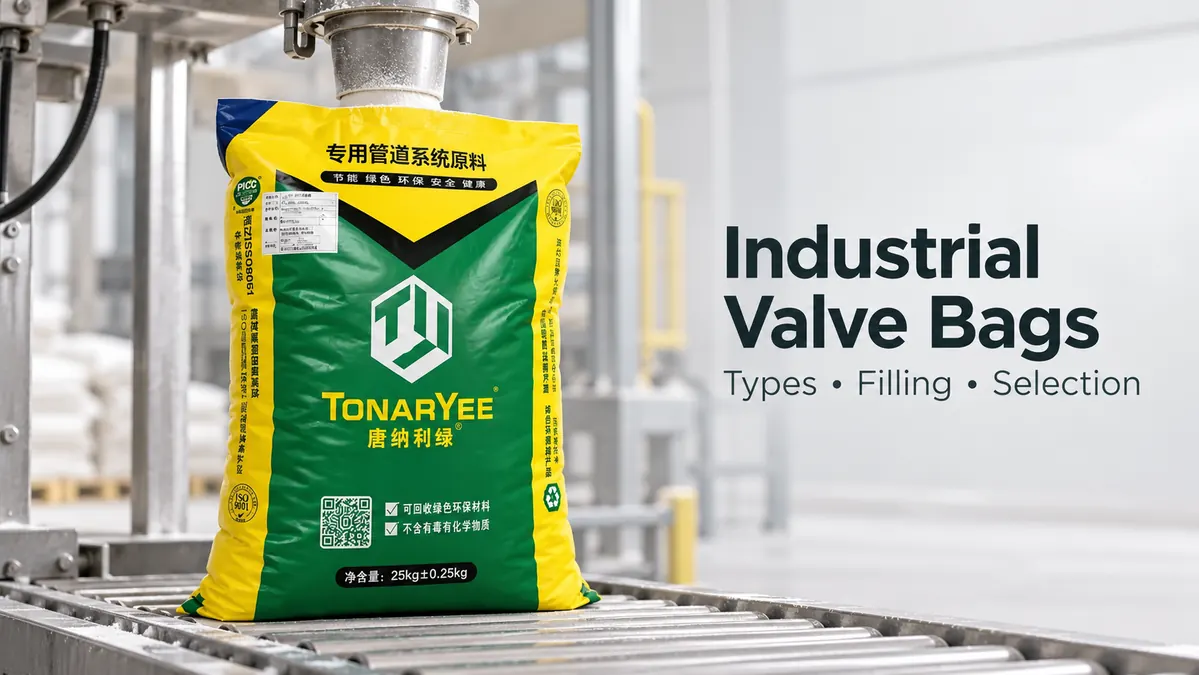
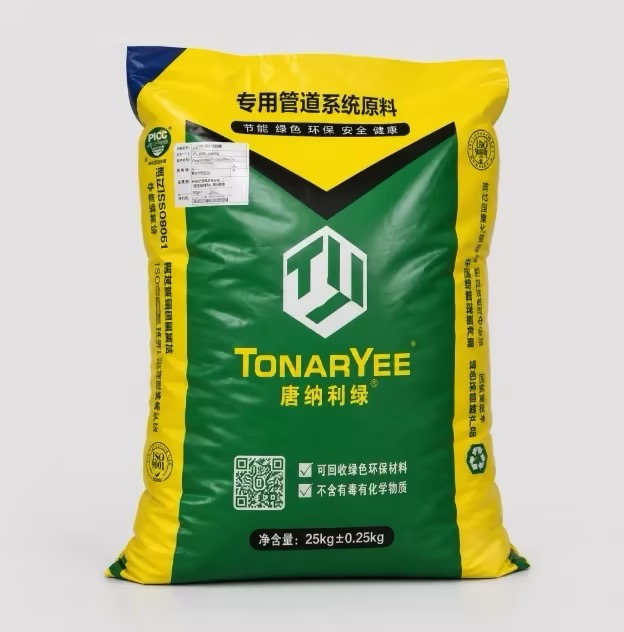
A valve bag is closed at most edges, with a short opening at a corner. A filling machine inserts its spout into that opening and feeds dry material into the bag. Once the bag comes off the spout, the valve folds inward under the weight of the contents. The result is a compact sack that can be easier to fill and stack than some open-mouth designs.
Valve bags are common for cement, mortar, minerals and other powders. They can also serve suitable feed or food ingredients, provided the exact materials and hygiene requirements are checked. The word valve here means a filling opening. It is different from the small one-way degassing valve used on coffee pouches.
Start with the material you pack and the way the filled sack will be handled. Valve bags that perform well with one powder or machine may behave differently with another.
Multiwall paper is a useful starting point when print quality and controlled air release during filling matter. The number of plies, paper weight and any liner or coating should be specified for the actual product and storage conditions. XIFA’s industrial paper bag range shows how paper constructions can be varied; its 25 kg valve bag is one published paper example, not a standard size for every line.
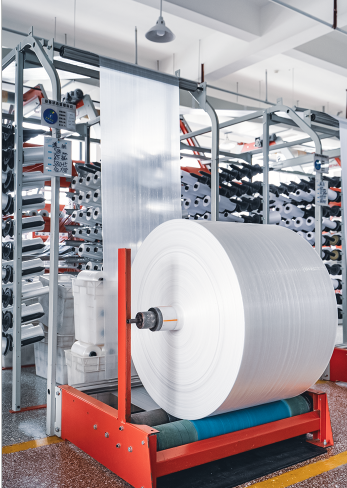
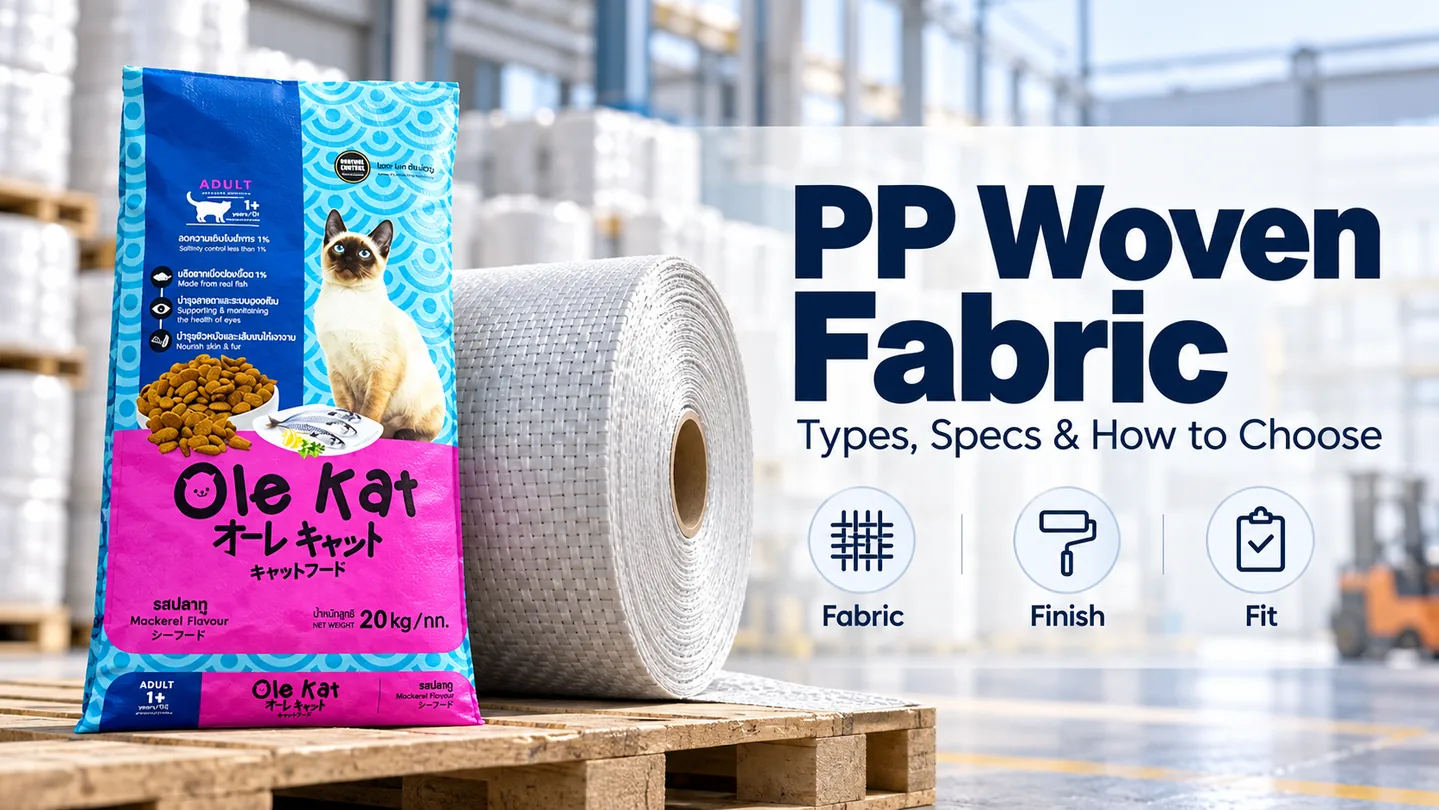
PP means polypropylene. In a woven sack, thin PP tapes form a fabric that can suit demanding handling and heavier dry products. Coating or a liner may be needed when the contents call for extra moisture control or better powder containment. XIFA’s PP woven bag range provides a useful comparison point, but the valve, seams and fabric must be specified together.
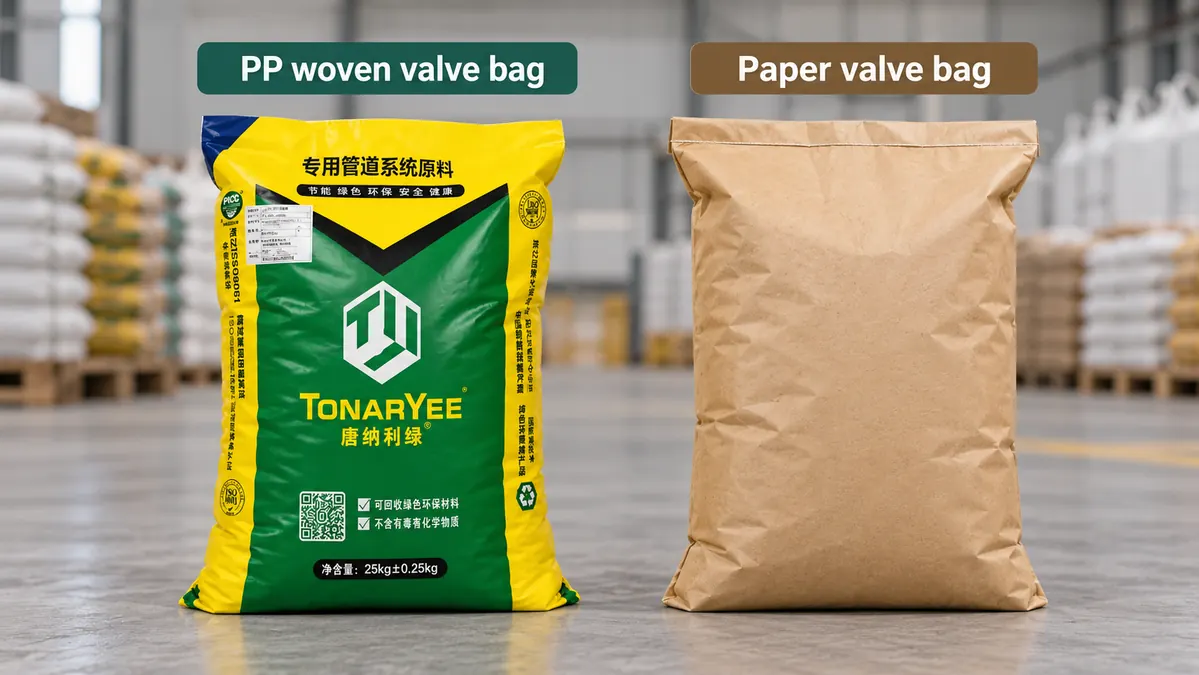
Paper-plus-film or other composite structures can add a barrier layer where storage humidity or fine-powder leakage is a concern. More layers are not always better: a less breathable bag may slow filling or trap air. When comparing valve bags, ask the supplier to explain what each layer does, then test the full bag rather than judging the outer material alone. “Cement valve bag” describes an application; it does not tell you whether the bag is paper, PP woven or composite.
The operator or automatic applicator places the valve over a horizontal spout. The packer measures the product, fills the bag and releases it. Common packers use an auger (a rotating screw), air pressure, an impeller or vacuum; the right method depends on how the powder flows and how much air it carries. XIFA’s guide to five filling-machine types gives a broader equipment overview.
The filling spout must fit the valve. If the opening is too tight, bags may jam; if too loose, powder may escape. Bag dimensions, air release and filling pressure also affect speed and shape. For cement or dry mixes, review the cement valve bag overview alongside your own product and line data.
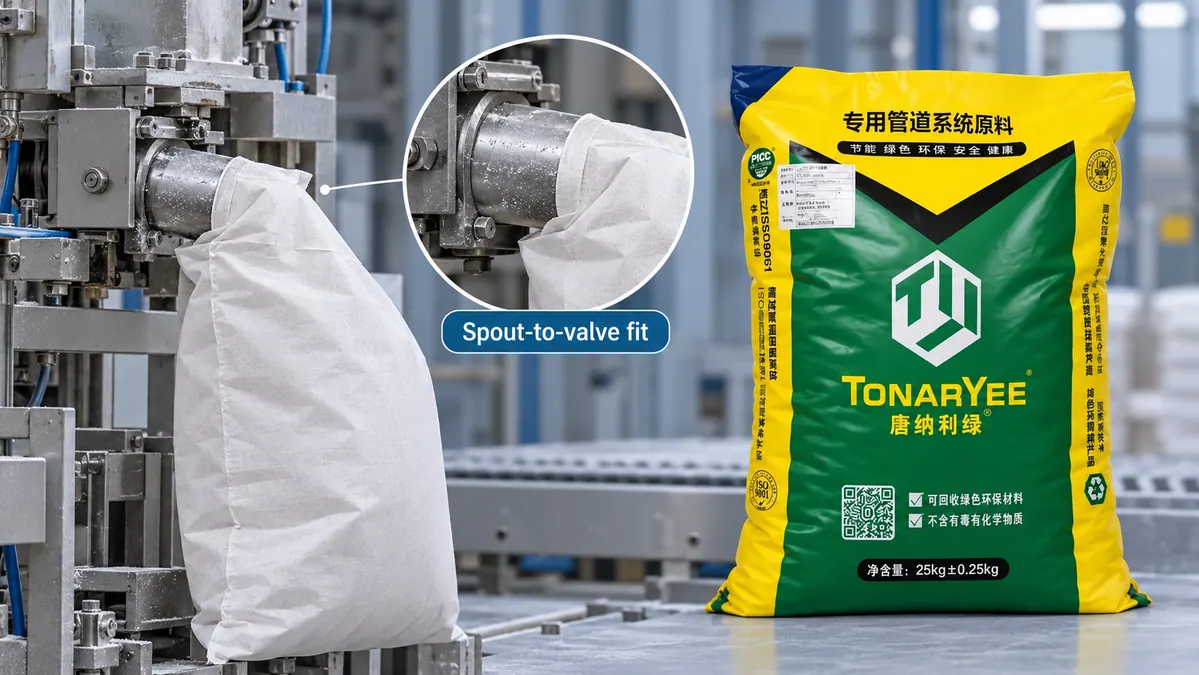
After filling, the valve folds inward and helps retain the contents. That is not the same as a sealed barrier. Where leakage, contamination or humidity demands are stricter, discuss a suitable sealing step with the equipment and bag suppliers, then verify it on the actual line.
Send suppliers one clear brief so quotations for valve bags cover the same construction. Include:
Ask for a sample run using your material and machine. Watch for dust at the spout, trapped air, bag jams, valve leakage and damaged sacks after stacking. A supplier’s material data helps, but a filled-bag trial answers the buying question more directly. XIFA describes material and outbound checks in its quality-control process; agree on the checks and records relevant to your own order.
For recurring supply, keep an approved drawing and artwork revision with the order. Confirm the production quantity and dispatch plan against the agreed specification. XIFA’s manufacturing overview shows the converting steps available for discussing a custom structure, while final suitability still depends on the sample and acceptance criteria.
Choose the valve bag around the filling line and product first, then compare paper, PP woven or composite construction on the same test conditions. Send XIFA your product details, fill weight, machine and spout dimensions, target quantity, artwork and destination through the contact page. The team can discuss a suitable structure, sample and quotation for your project.