



 by Simin Xiang
Quick Answer:
Polyethylene bags can be recycled depending on the material used, contamination level, and local collection process. Clean monomaterial PE film is easier to recycle compared to bags that contain incompatible layers, attachments, or contain products inside them. In the case of industrial purchasers, it would be prudent to consider recycling of polyethylene bags even at the time the bag is purchased and not during disposal. Resin type, printing, labeling, barrier, and packed products can impact the recycling process. XIFA Group produces custom-made PE film bags meant for industrial applications such as fertilizers and machine parts packaging.
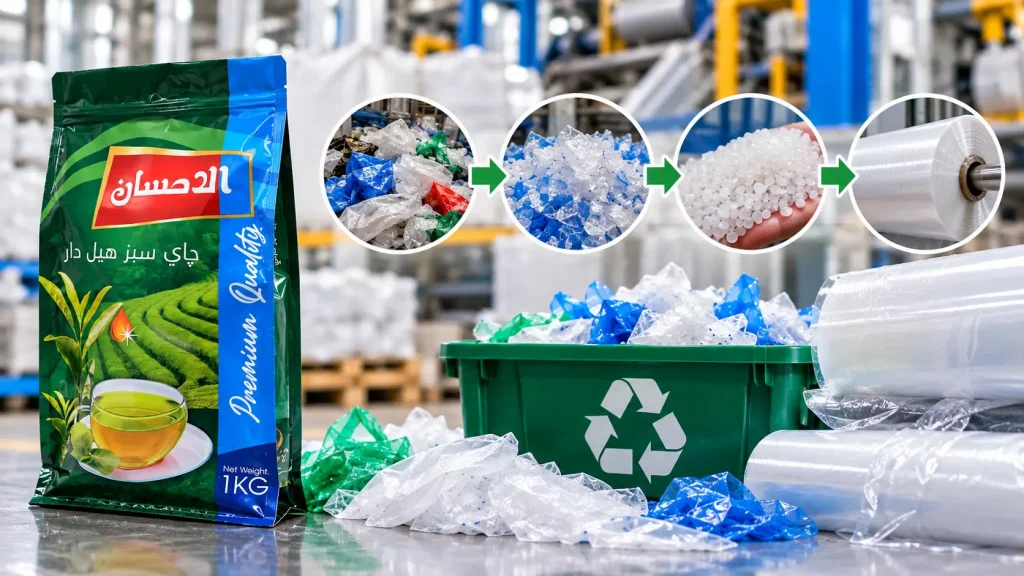
Certainly, but being polyethylene bags does not necessarily mean that these products are going to be recyclable everywhere.
Industrial locations may produce more film of this type, which may help to implement commercial recycling processes more easily compared to disposing of these items through mixed waste management systems.
Polyethylene films that are recyclable will be easier to recycle if they are still similar to a PE recycling process. Any extra barriers, labels, adhesives, and closure devices will complicate the process of recycling.
That is why it is important to check the recyclability of such products against the recycling system.
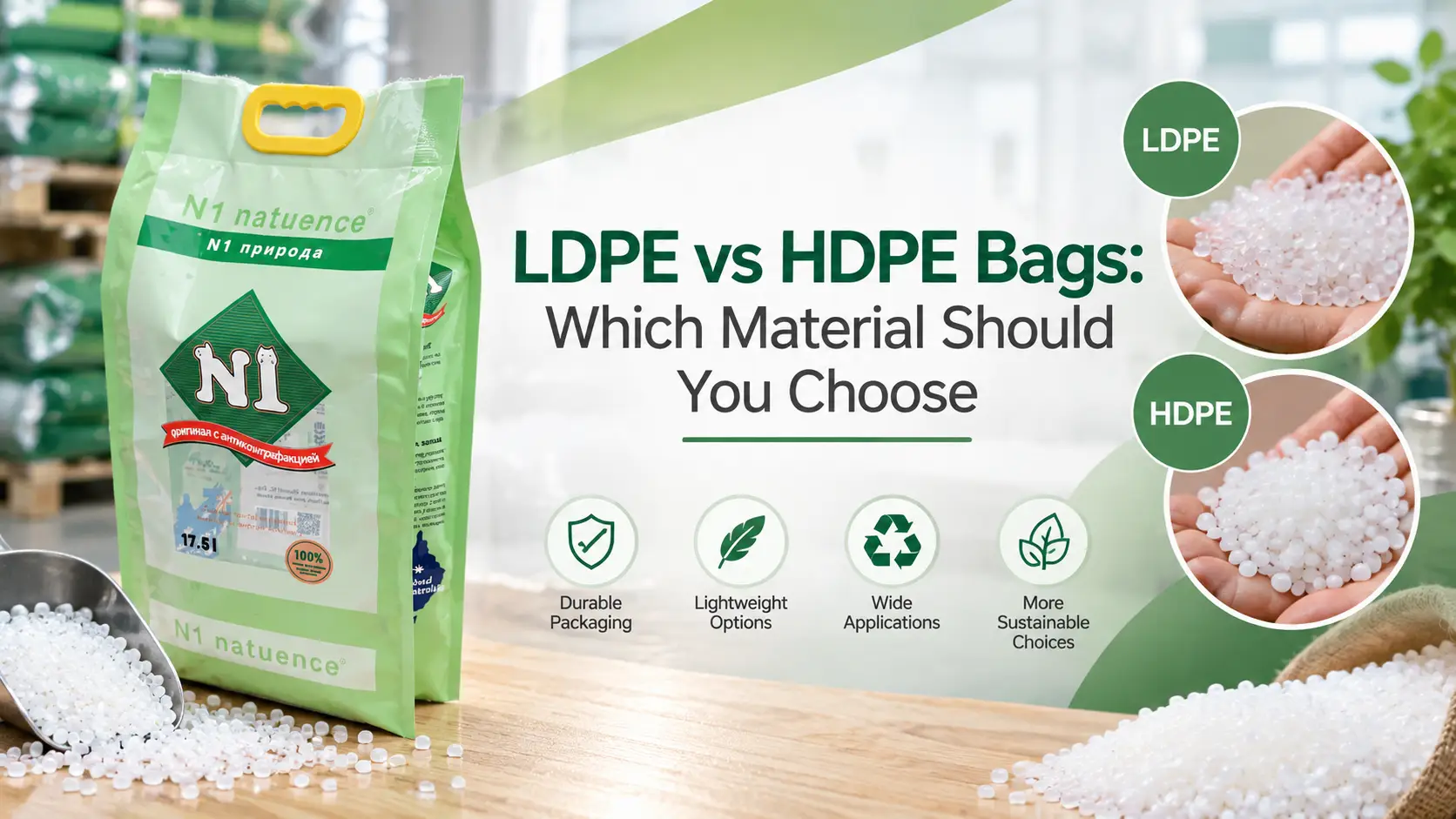
Common polyethylene recycling codes indicate the type of resin material. Resin Identification Code #2 is for HDPE, whereas #4 is for LDPE.
LDPE is used for bags, shrink wraps, and stretch wraps. HDPE too can be used for bags and other forms of packaging.
But this only identifies the resin material. This doesn’t mean that the item will be taken by the local recycling facility.
This distinction matters for PE film recycling since flexible films and rigid plastics are often recycled separately. Make sure that you know what the recycler serving your facility accepts.
Cleanliness may affect the feasibility of recycling used industrial films. Dry bags that carried clean components could be easier to recycle compared to bags exposed to oils, chemicals, fertilizers, food leftovers, or soil.
Contamination may lower the value of the recycled material and hamper the process of reprocessing. Certain contaminants may need special disposal procedures.
For that reason, a plastic film recycling program should know what the bag used to contain. This does not mean that simply emptying the bag will solve everything if there is a limitation to the volume of product remaining inside the bag.
Separation is also necessary. Separation of clean polyethylene film from the paper, straps, metal, food waste, and other different kinds of plastics would lead to uniform recycling.
Commercially, the first step is to separate the proper film from all the other types of garbage. In cases where a significant volume of film is produced, it can be collected and delivered to the recycling facility.
Loose film takes up too much space in storage and transport. In the case of high volumes of film, the recycler would need the film to be baled or compacted.
After collection, the film can be sorted, cleaned, shredded, melted, filtered, and pelletized. Then the recyclable resin can be used to produce plastic products.
The procedure may differ depending on the recycler and quality of materials. Proper resin type and less contamination make polyethylene bag recycling much easier at an industrial level.
Store drop-off is intended for the collection of consumer plastic films. It will accept clean, dry HDPE and LDPE bags and films, though not all will.
Facilities cannot assume that the commercial amount will go into consumer collection. Larger companies can utilize commercial recyclers instead.
There may be limitations in the commercial recycler regarding the type of resin, contamination, bale size, minimum quantity, and frequency of collection. The importance of this distinction lies in the fact that there are different systems for plastic film recycling depending on the location.
Recycling has to be considered when designing the package specifications. A simpler design will decrease the necessity of separating components that cannot be recycled together. It will be possible for buyers to see if any barriers, labels, inks, adhesives, closures, and their compatibility with recycling are necessary.
However, packaging performance is important too. It is unacceptable to save material at the expense of durability of the bag.
When designing recyclable PE bags, such parameters as strength, sealing ability, moisture barrier properties, chemical resistance, and recyclability have to be considered simultaneously. The recycling process has to be specified rather than the recycling symbol.
A sourcing review should cover the material itself as well as how the used bag will be handled.
| Buyer question | Why it matters |
| Is the bag LDPE, HDPE, or a blend? | Identifies the PE structure |
| Is it mono-material? | Helps assess recycling compatibility |
| Are barriers or coatings added? | May affect reprocessing |
| What inks and labels are used? | Added materials may affect the stream |
| What product will the bag hold? | Residue can affect acceptance |
| Can recycled content be specified? | Supports recycled material use |
| Which performance tests apply? | Confirms the bag suits its application |
Some of the PE film bag offerings from XIFA include customized industrial packaging for uses like fertilizer and machine parts. The specifications may include size, thickness, printing, sealing, and other aspects.
One must also find out whether the proposed structure is compatible with the existing recycling facilities at the end destination.
Waste rules, recycling labels, and environmental claims differ between markets. Packaging should therefore follow the requirements of the country where it is sold and discarded.
The polyethylene recycling codes #2 and #4 identify HDPE and LDPE, respectively, but they do not guarantee local collection. Acceptance still depends on the recycler and the complete package.
Printed PE film may also be recyclable, although ink coverage and formulation can affect the target stream. Likewise, heavily contaminated industrial bags may require specialized handling instead of normal film collection.
Recycled PE can be incorporated into some new packaging applications. The suitable recycled content depends on bag performance, regulatory requirements, product contact, and intended use.
For PE film recycling, these questions are best addressed before the bag enters production. That gives procurement teams time to compare packaging needs with the available recovery route.
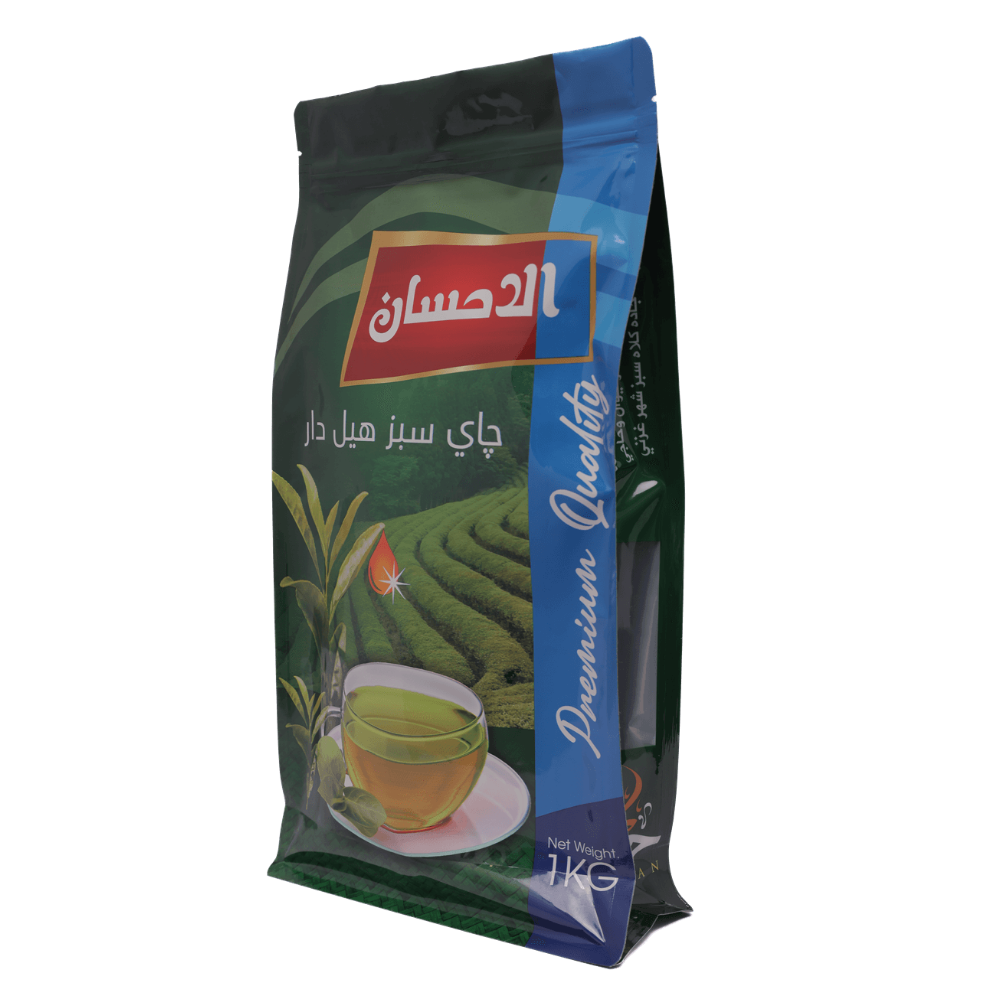
Industrial PE recycling works best when packaging design and waste collection are considered together. Resin type, contamination, coatings, labels, and local infrastructure all affect what happens after a bag is emptied.
For industrial buyers, the practical approach is to include recycling goals in the original packaging specification. Material choices can then be balanced with strength, sealing, barrier needs, and local collection options.
Contact XIFA with the packed product, bag size, thickness, printing, sealing, performance needs, and target recycling requirements to discuss a PE bag structure and bulk specification.