



 by Simin Xiang
Quick Answer: The PPWR regulation applies to packaging placed on the EU market, including packaging around goods exported from South America. Since 12 August 2026, exporters and their EU buyers need to identify who is responsible for compliance, check restricted substances, and keep packaging specifications and supporting documents ready. Recyclability, labelling and other requirements phase in later. XIFA can help buyers compare woven sacks, laminated bags and bulk bags against the actual contents and shipping conditions, then request evidence for the chosen construction.
If you export coffee, grain, feed ingredients, fertiliser or other packaged products to Europe, start with the bag or container your buyer will actually receive. This guide explains which PPWR checks matter now, who handles each task, and how to brief a packaging supplier without treating a product label as proof of compliance.
Yes. The EU’s Packaging and Packaging Waste Regulation, Regulation (EU) 2025/40, covers packaging placed on the EU market regardless of its material or country of origin. That includes a filled sales bag, grouped packs and transport packaging entering with an export shipment. The PPWR regulation entered into force on 11 February 2025 and has applied in phases since 12 August 2026. The European Commission’s PPWR overview sets out that scope and timeline.
Start by listing each packaging component: the primary sack or pouch, any liner, labels, outer wrap and transport packaging. A 25 kg woven sack and the film wrapped around its pallet may have different materials, uses and records. For a broader explanation of the law, see XIFA’s general PPWR guide; this article focuses on the export handoff.
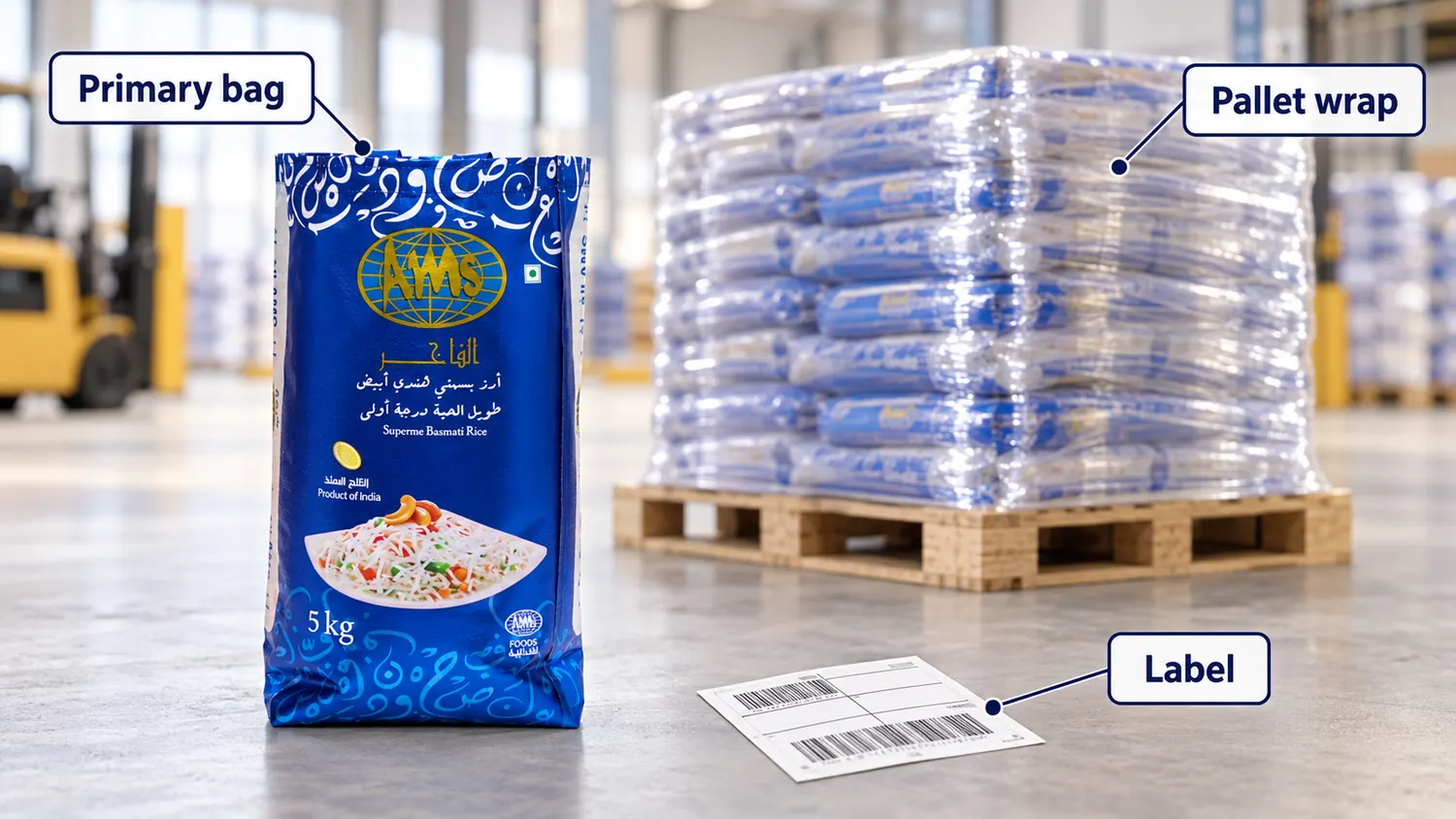
The PPWR regulation uses several roles that sound alike. A manufacturer is the business legally responsible for a packaging design’s conformity. For sales packaging, this is often the company that fills the pack and markets the packaged product under its name. The physical bag maker may instead be a supplier that provides material and test information. The exact role depends on branding and how the packaging is specified.
An importer is an EU-established business placing packaging or a packaged product from outside the EU on the market. Importers must check that the required conformity assessment and documentation are in place. Under the PPWR regulation, the manufacturer draws up the EU declaration of conformity: a formal statement that the packaging meets applicable requirements, supported by a technical file. The Commission’s 2026 implementation guidance explains these distinctions.
A producer is the party responsible for extended producer responsibility (EPR), meaning registration, reporting and funding packaging waste management in the relevant EU country. For a South American exporter selling through an EU importer or distributor, that EU business will often be the producer in its destination market. Direct sales to EU end users can change the answer. Agree in writing who will supply composition and weight data, who will issue the declaration, and who will handle EPR in each destination country. XIFA’s EPR guide for industrial packaging gives more background.
First, ask for the full construction, not just “PP bag”. A PP woven sack may include coating, an inner liner, printing inks and a particular closure. Each can affect how the finished packaging is assessed. Record material layers, dimensions, unit weight, intended contents and whether the pack touches food.
Second, check restricted substances against evidence for the actual packaging. The PPWR regulation limits certain heavy metals in packaging and, since August 2026, restricts PFAS—a group of persistent chemicals—in food-contact packaging above specified thresholds. Do not assume that every rice or coffee bag is food-contact packaging: the intended contact depends on the finished structure and use. If it is, ask for records covering that contact situation and the applicable food-contact rules. A generic resin certificate does not establish compliance for a printed, lined bag.
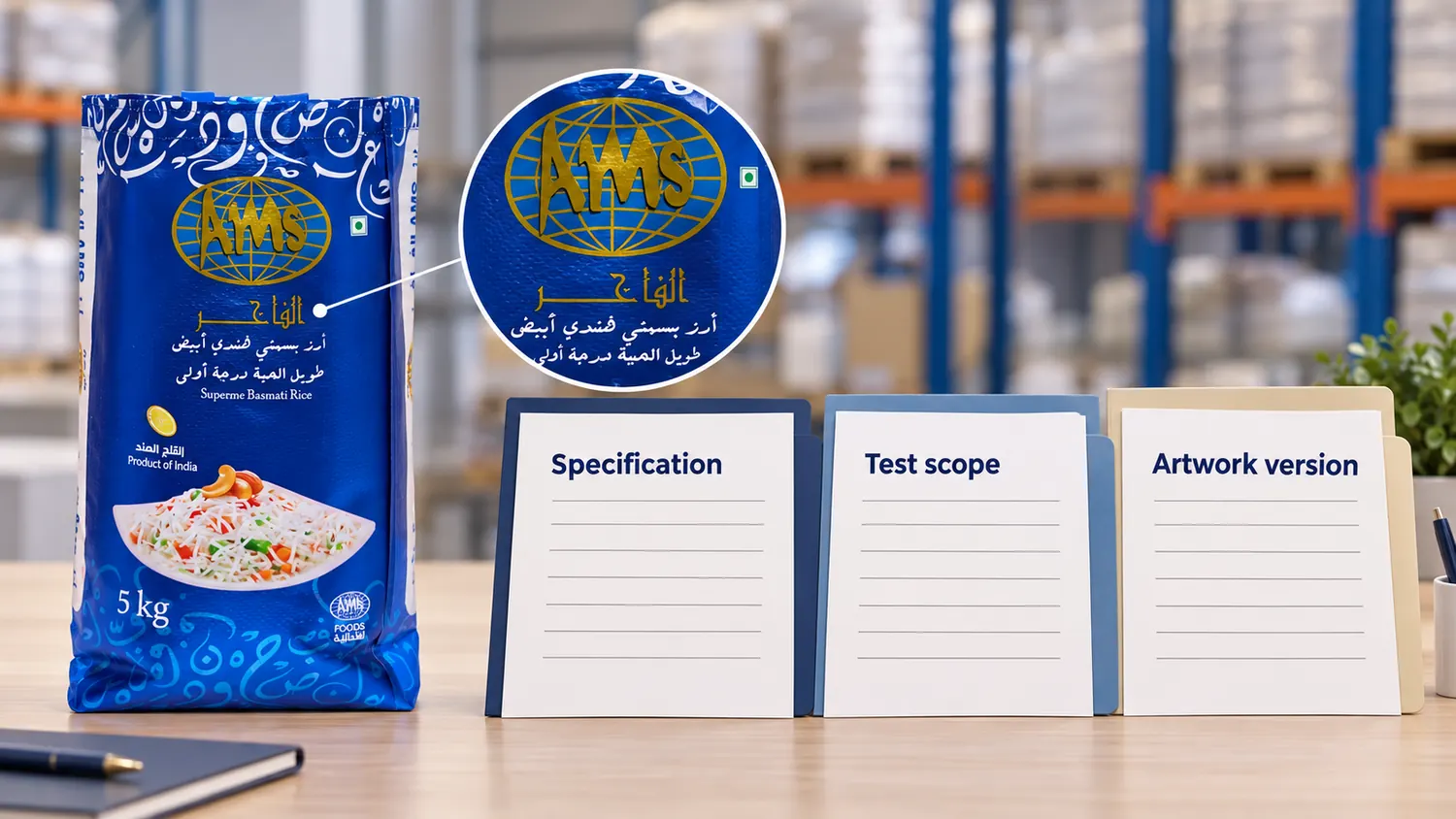
Third, match records to the approved design. Request the supplier’s layer specification, relevant test reports, artwork version and traceability details. Your responsible manufacturer can then use supplier information in its technical file and declaration. The EUR-Lex summary explains the manufacturer, importer and supplier duties in plain language.
The PPWR regulation is phased. Harmonised EU sorting labels start from 2028. From 2030, recyclability grades, recycled-content rules for certain plastic packaging, and packaging-minimisation measures become more important, subject to the regulation’s detailed conditions and exceptions. Do not print an unverified “PPWR compliant” claim today based only on a recyclable material name.
Instead, compare designs before you lock in a long-running order. A BOPP laminated woven bag can support detailed branding, but its film, woven layer, liner and closure must be assessed as one pack. For larger dry-bulk loads, FIBC bulk bags need a separate review of their construction, handling and any intended reuse system. Neither product family is automatically exempt from the PPWR regulation, and a bag being made from polypropylene does not prove that the finished pack meets future recyclability criteria.
Give the supplier a short, specific brief: product and filling weight; direct food contact or no direct contact; bag and liner materials; closure and printing; destination countries; expected order volume; and whether the pack will be used once or in a documented reuse system. Ask which reports cover the proposed finished construction and where a new test or declaration is still needed.
XIFA makes several industrial packaging formats, so the useful starting point is the filling and shipping requirement rather than a claimed universal solution. For moisture-sensitive dry goods, for example, compare a liner option with the storage conditions and closure; XIFA’s bulk-bag liner guide can help frame that choice. The final specification and compliance evidence still need to match your order.
The practical PPWR regulation takeaway is simple: map every pack, assign the legal roles with your EU buyer, and keep evidence tied to the approved construction. Planning a recurring EU-bound packaging order? Send XIFA your contents, bag size, artwork, shipment quantity, destination and target date so the team can review the specification and identify what supporting documents to confirm.