



 by Simin Xiang
Quick Answer: The right feed packaging bag depends on the feed, filling method and journey to the buyer. PP woven sacks handle demanding transport; BOPP feed bags add a printed film for clear branding; and multiwall paper suits some dry products and filling systems. None protects every feed on its own: check moisture exposure, seams, closure and any liner. XIFA makes custom woven, BOPP and paper packaging, so buyers can compare a complete bag specification against real filling and shipping conditions before placing a bulk order.
This guide explains which materials fit common dry-feed jobs, what protection to check and what information to send a supplier for a useful quotation.
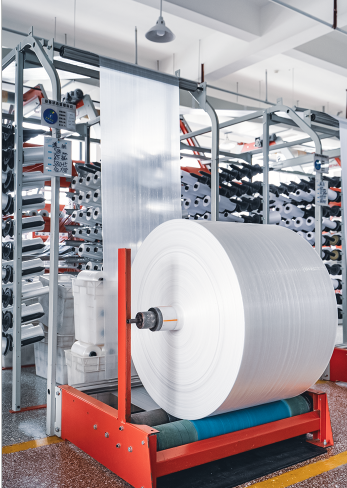
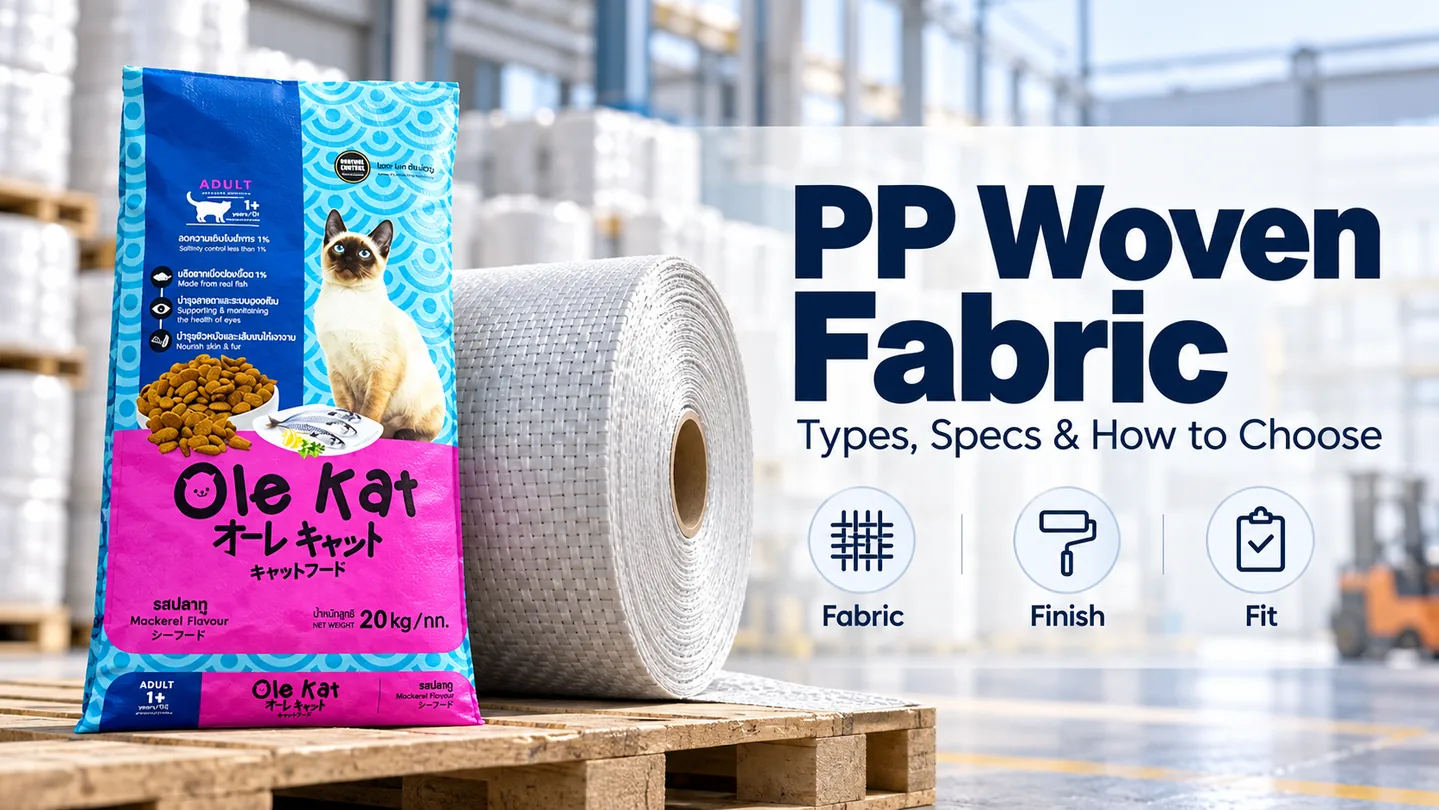
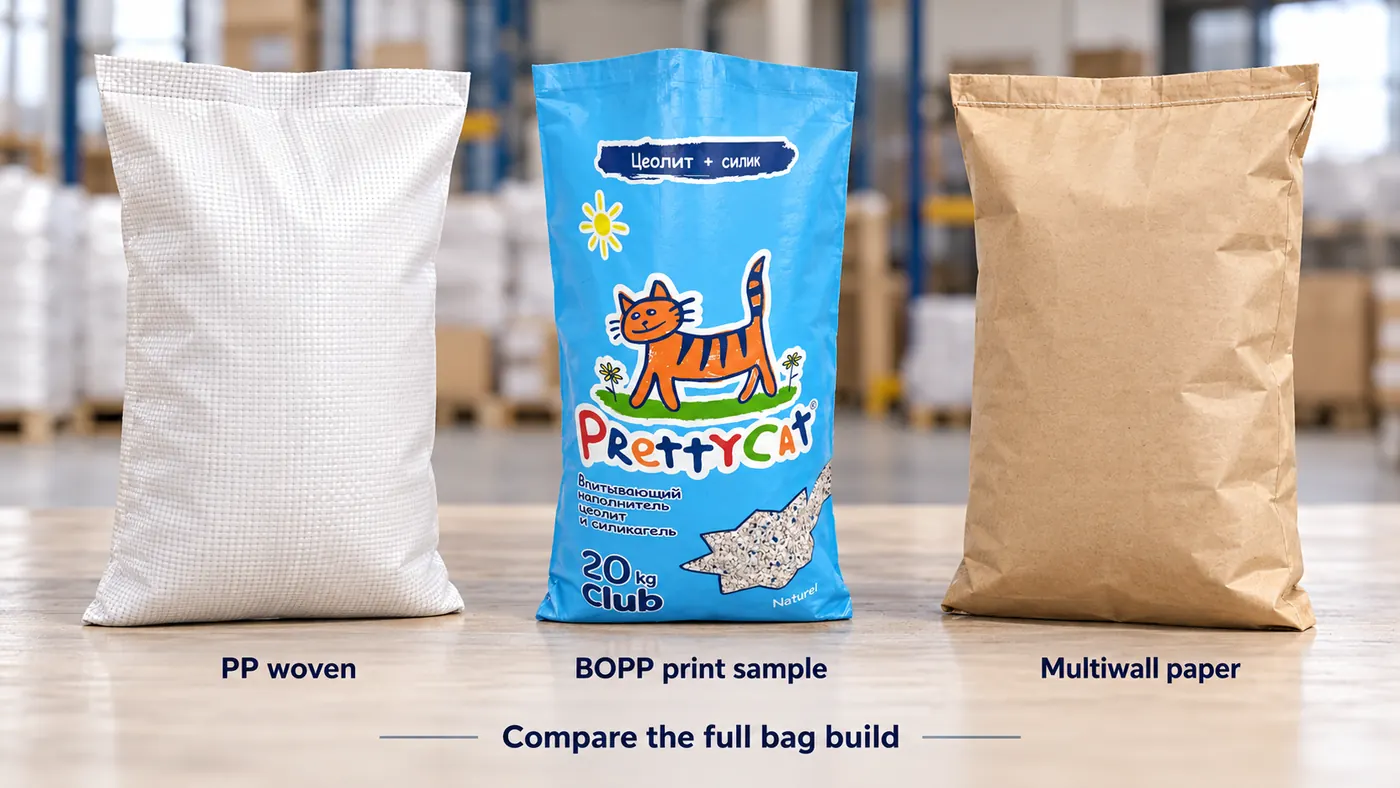
PP means polypropylene. In a woven sack, narrow PP tapes are interlaced to make a strong, light fabric. It can suit dry pellets or grain-based feed that needs a durable transport bag without detailed retail graphics. But woven fabric alone does not tell you how much moisture or fine dust can pass through the finished bag. Check its coating, seams and closure as well as its fabric weight. XIFA’s PP woven bag range includes feed-oriented examples.
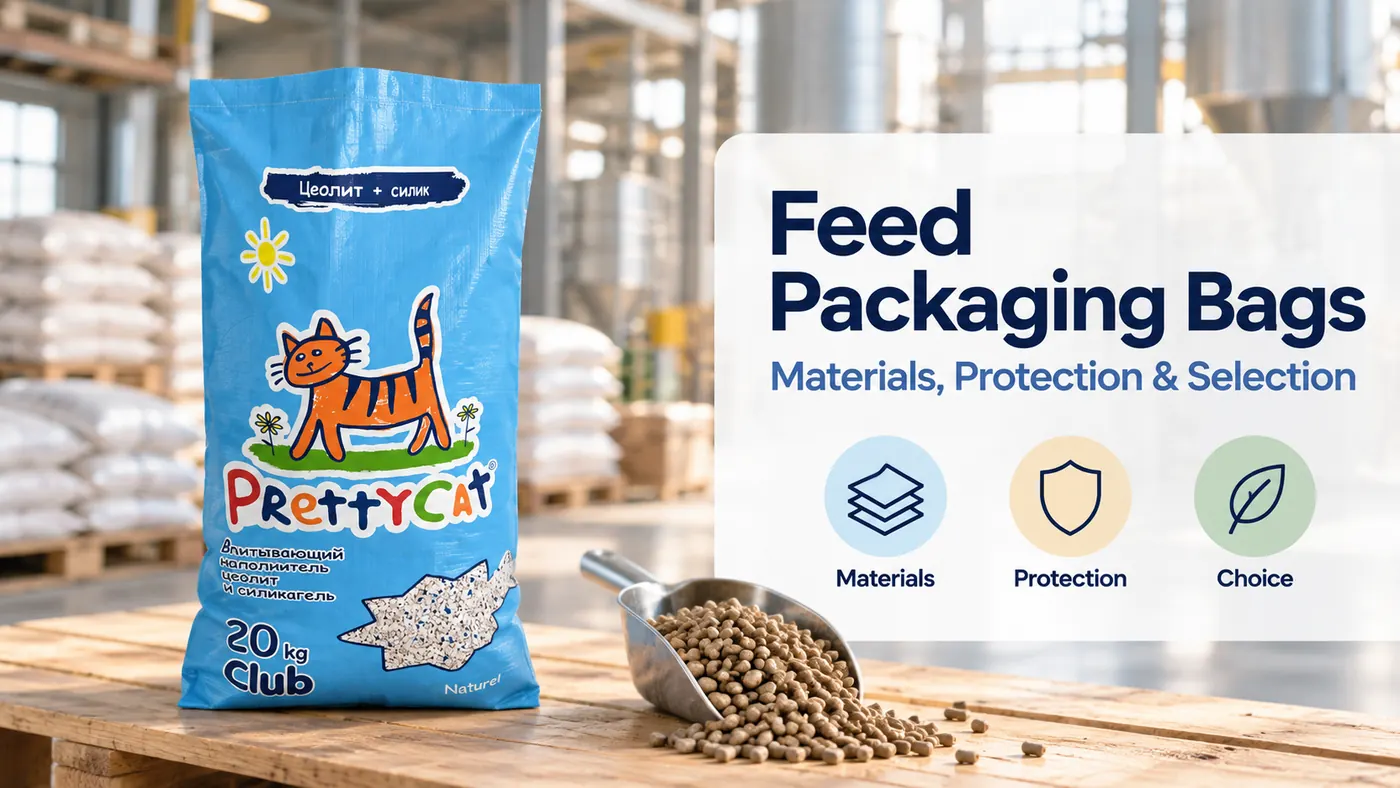
BOPP is biaxially oriented polypropylene: a film stretched in two directions and used as a smooth print surface. In BOPP feed bags, the printed film is laminated to woven PP fabric. This can suit branded feed sold through distributors or stores, where product images and readable labels matter alongside handling strength. XIFA’s BOPP bag range shows animal-feed examples, while its BOPP product page describes the film-and-fabric construction.
Do not assume the film makes the whole bag waterproof or airtight. A sewn top, pinholes, folds and any open inner liner can still affect protection. Specify the full bag build and ask for tests that reflect your route.
Multiwall paper uses several layers of kraft paper. It may suit certain dry feed ingredients or powder filling lines, especially when the buyer prefers a paper outer surface. A liner or coating may be needed if humidity or fine-particle leakage is a concern. Compare the actual layer structure and closing method: “paper bag” can describe several different builds. XIFA’s industrial paper bag range includes an animal-feed option. Its earlier material comparison gives a wider view of feed bag formats.
Start with the feed’s own sensitivity and expected storage time. Humidity may cause clumping or spoilage; oxygen and light can matter for some oil-rich or fortified formulations. A laminate or polyethylene (PE) liner can help in the right design, but its benefit depends on thickness, seals and storage conditions. Ask for the barrier performance your feed needs instead of treating all BOPP feed bags as equivalent.
Store and ship a sample under realistic conditions before approving production. If the product needs a defined shelf life, have the feed team set the acceptance criteria; the supplier can then propose materials for BOPP feed bags or other formats and supply relevant test records.
Look beyond the face of the bag. Fine meal can sift through stitch holes; a poorly matched mouth can spill during filling; pallet rubbing can damage a corner. Check the seam, bottom, top closure and filled-bag shape. For BOPP feed bags, confirm that the film and print still look acceptable after filling, stacking and transport.
The packaging should also fit the intended feed use and destination market. XIFA lists BOPP woven and multiwall paper on its animal feed application page, but either choice still needs an order-specific check. Ask for material declarations or test documents covering the actual bag construction where required. A general “food grade” label does not establish that every feed bag meets every market’s rules.
Share a short but complete brief before comparing prices:
If you are comparing BOPP feed bags with paper sacks, ask each supplier to quote against the same fill weight, closure, tests and delivery terms. XIFA’s earlier feed bag buying guide covers basic size and ordering considerations.
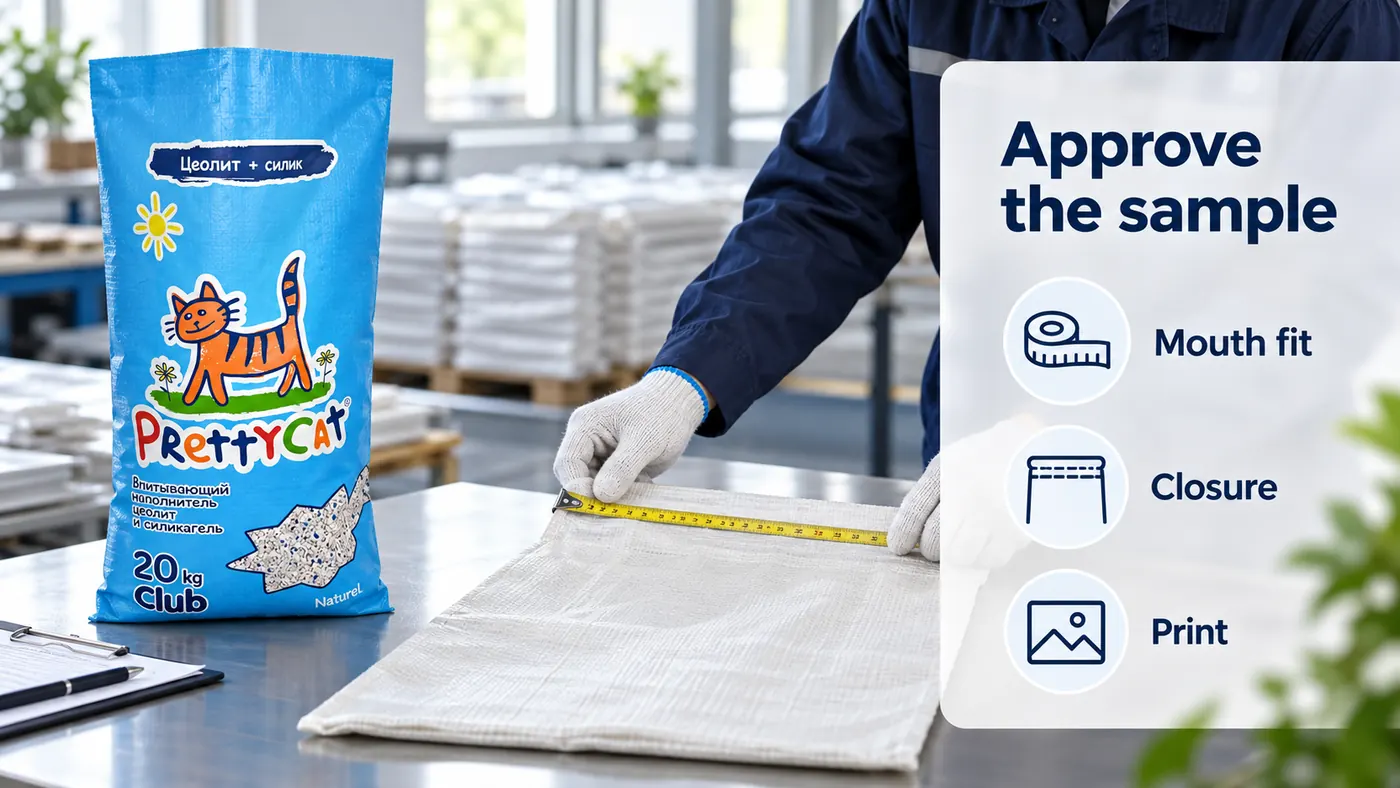
Fill the proposed bag on your line, then inspect the mouth fit, closure and seams after normal handling. For BOPP feed bags, check whether the print stays readable after rubbing and stacking. Agree on dimensions and tolerances, fabric or paper weight, liner details, artwork proof and the tests that matter for your product. Ask which records will be available for the production batch. XIFA outlines its production checks on the quality control page; confirm the records and acceptance limits for your order.
Choose a simple PP woven sack when a strong transport pack is the main need and its protection meets your test. Shortlist BOPP feed bags when a woven base and detailed print both matter. Consider multiwall paper when its filling behaviour, presentation and specified barrier suit the product. In every case, the closure and liner can change the result as much as the outer material.
Planning a recurring bulk order? Send XIFA the feed type, fill weight, bag size, filling method, artwork, expected quantity and shipping destination through its contact page. XIFA can review the construction and quote against a specification your team can actually test.