



 por Simin Xiang
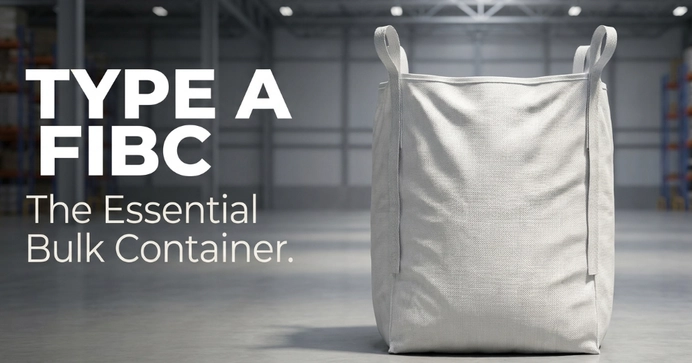
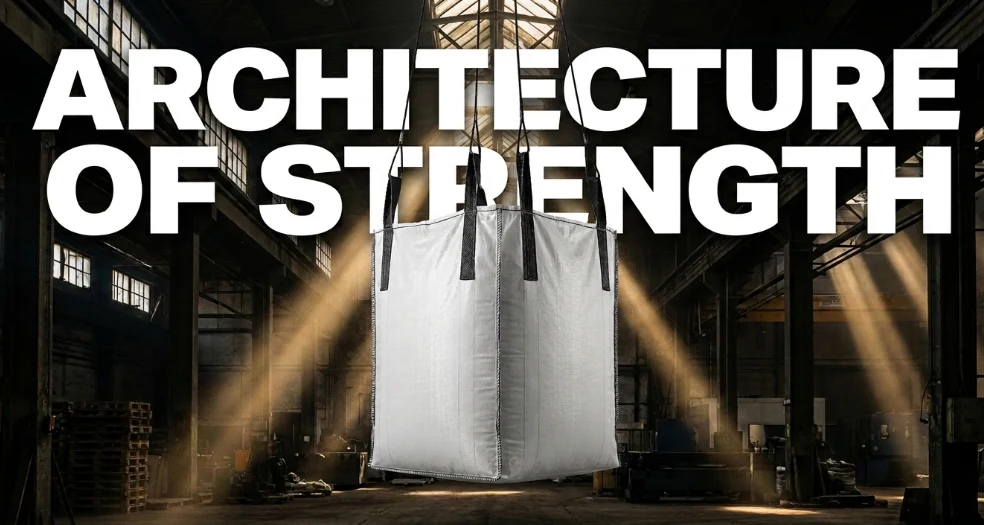
Um saco FIBC tipo A é um contentor intermediário flexível para granel, fabricado em polipropileno tecido simples e sem proteção antiestática. É a opção de saco a granel mais económica, adequada apenas para produtos não inflamáveis em ambientes isentos de gases, vapores ou poeiras inflamáveis.
Este guia explica como são fabricadas as sacolas do tipo A, quais especificações os compradores devem analisar, onde elas funcionam melhor e quando não devem ser usadas.
Este contentor para granel de nível básico é fabricado com tecido de polipropileno padrão. Não possui características especiais para controlar ou dissipar eletricidade estática. Devido a esta construção simples, os sacos do Tipo A são a opção de entrada na família FIBC e a escolha mais económica para muitos produtos secos e não perigosos.
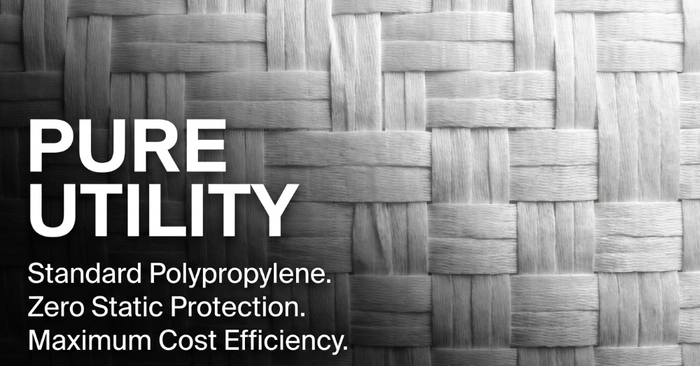
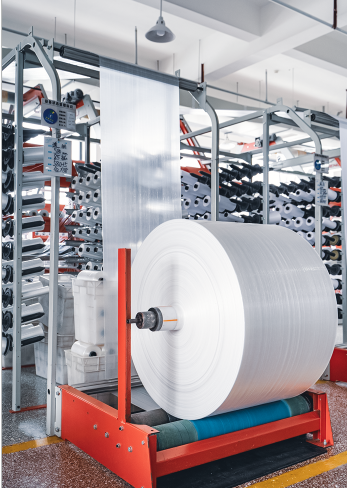
As sacolas do tipo A são fabricadas tecendo fitas de polipropileno em um tecido resistente e flexível. O tecido pode ser revestido para criar uma barreira contra umidade ou deixado sem revestimento para permitir a respirabilidade. Alças de elevação padrão, bicos de enchimento e de descarga são adicionados de acordo com a forma como a sacola será enchida e esvaziada. Não são utilizados fios condutores ou antiestáticos na trama.
Durante o enchimento e o esvaziamento, pós finos que se movem dentro da embalagem podem acumular eletricidade estática. As embalagens do tipo A não possuem um mecanismo seguro para dissipar essa carga. Se uma faísca estática ocorrer perto de materiais inflamáveis ou em uma atmosfera combustível, ela pode provocar uma ignição. Por esse motivo, as embalagens do tipo A devem ser utilizadas apenas com produtos não inflamáveis e em ambientes não classificados como perigosos.
A tabela abaixo descreve as especificações típicas para este tipo. Os valores exatos variam de acordo com o pedido e a aplicação.
| Parâmetro | Especificação típica |
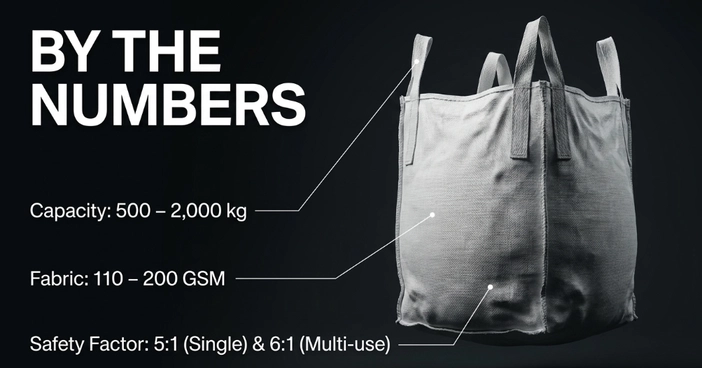
| Peso do tecido | 110–200 GSM (gramas por metro quadrado) |
| Carga de trabalho segura (SWL) | 500 kg – 2.000 kg |
| Fator de Segurança (FS) | 5:1 (uso único) ou 6:1 (uso múltiplo) |
| Construção | Painel em U, Circular, 4 Painéis, Defletor |
| Revestimento | Revestido (barreira contra umidade) ou não revestido (respirável) |
| Forro | Revestimento opcional em PE para pós finos ou produtos sensíveis à umidade. |
O fator de segurança mostra a margem de resistência testada em comparação com a carga nominal da bolsa. Por exemplo, um fator de segurança de 5:1 significa que a bolsa foi testada com cinco vezes a sua carga nominal em condições controladas.
Os sacos do tipo A são ideais para produtos secos e não inflamáveis manuseados em ambientes seguros. Os usos comuns incluem:
Não utilize sacos do tipo A quando:
Exemplo de caso real: Um fornecedor de materiais de construção que transporta areia e cascalho secos para obras pode usar com segurança sacos do Tipo A. O material não é inflamável e o local de trabalho não possui atmosfera combustível. Por outro lado, uma fábrica de produtos químicos que manuseia pós de resina inflamáveis perto de vapores de solventes precisaria de sacos do Tipo C ou do Tipo D para evitar o risco de ignição.
O principal motivo é o custo. Os sacos do tipo A utilizam os materiais e a construção mais simples, tornando-os a opção FIBC mais acessível. Para compradores que movimentam grandes volumes de materiais seguros e secos, isso mantém os orçamentos de embalagem baixos sem sacrificar a capacidade de carga.
A tabela abaixo compara os quatro tipos de FIBC:
| Tipo | Proteção contra estática | Melhor para | Custo Relativo |
| Tipo A | Nenhum | Produtos não inflamáveis, ambientes seguros | Mais baixo |
| Tipo B | Previne descargas elétricas em escovas (tecido de baixa tensão de ruptura) | Pós inflamáveis secos, atmosfera não inflamável | Baixo |
| Tipo C | Condutivo, deve ser aterrado | Produtos inflamáveis e/ou atmosferas inflamáveis | Mais alto |
| Tipo D | Antiestático, sem necessidade de aterramento | Produtos inflamáveis e/ou atmosferas inflamáveis | Mais alto |
Escolha o tipo A se o seu material não for inflamável e o ambiente de manuseio estiver livre de gases inflamáveis e poeira combustível. Se houver qualquer risco de inflamabilidade, utilize um saco do tipo B, C ou D.

As embalagens do tipo A são uma escolha prática quando o produto é seco, não inflamável e manuseado em um ambiente não perigoso. Elas auxiliam no controle de custos por meio de uma construção mais simples, especificações flexíveis e logística eficiente a granel.
Grupo XIFA Fabricamos produtos de embalagem, incluindo tecido PP, sacos BOPP, big bags FIBC e sacos de filme PE. Desde 1998, apoiamos compradores industriais com encomendas de embalagens personalizadas e produção em larga escala. Nossas instalações incluem 72.000 m² de área de produção, mais de 800 funcionários, rastreabilidade por código QR e certificações como ISO 9001, ISO 14001, ISO 45001 e BRCGS para as operações relevantes.
Explore nosso Tecido PP, Saco grande FIBC, e Nossas capacidades Páginas para comparar as estruturas disponíveis e as opções de personalização.
São utilizados para materiais a granel secos e não inflamáveis em ambientes não perigosos, como areia, cascalho e algumas matérias-primas inertes.
Não. São feitos de polipropileno não condutor e não dissipam a carga eletrostática de forma segura.
Não. Não devem ser utilizados em locais onde existam materiais inflamáveis, vapores, gases ou poeira combustível.
Geralmente, custam menos do que os FIBCs com proteção antiestática, pois o tecido e a construção são mais simples.