



 por Simin Xiang
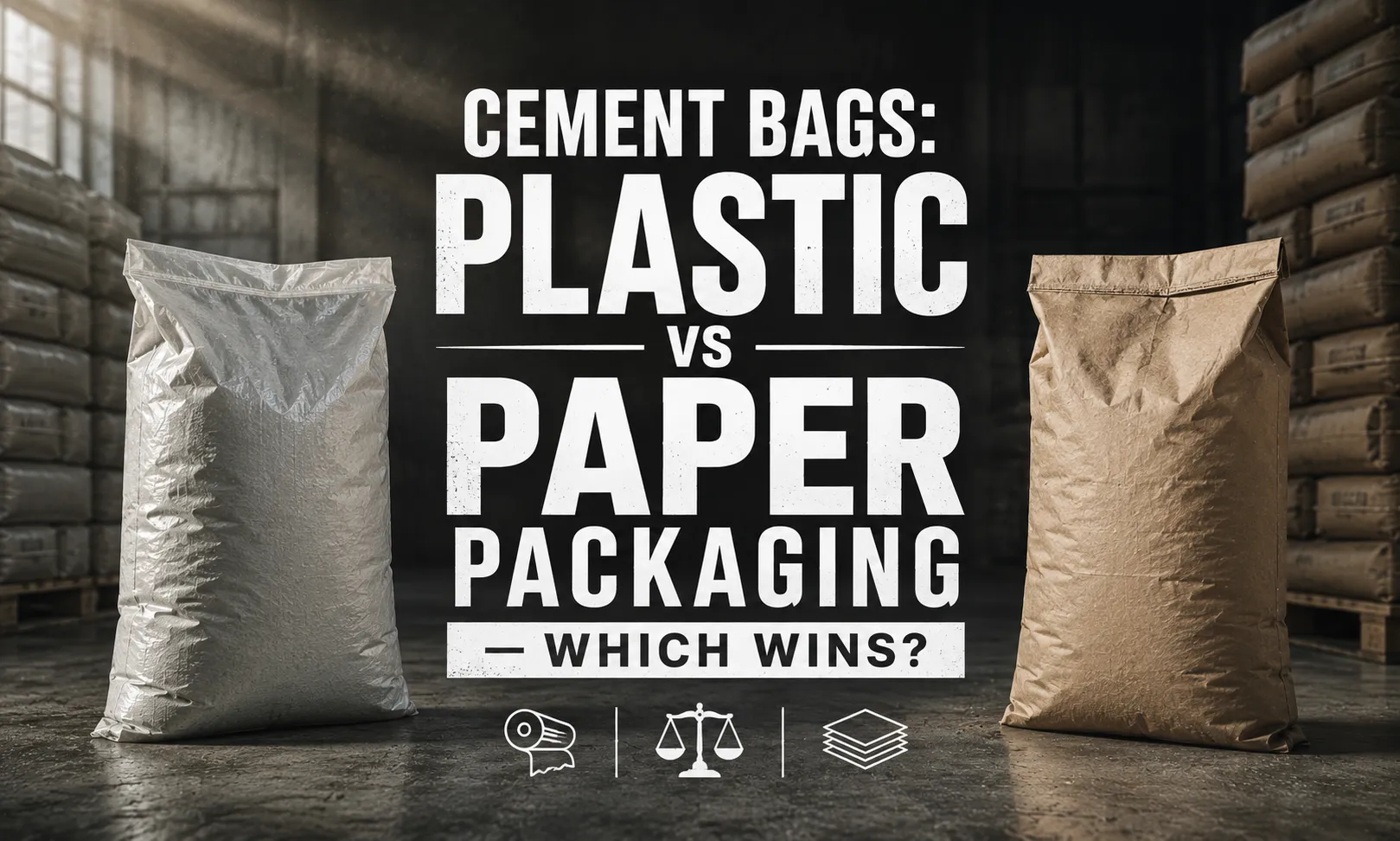
Para a maioria das embalagens de cimento, os sacos de polipropileno (PP) tecido são a melhor opção estrutural. Eles suportam cargas pesadas, resistem a rasgos e funcionam bem em linhas de envase de alta velocidade. Filmes e revestimentos de polietileno (PE) funcionam melhor como barreiras contra umidade, e não como corpo principal do saco.
Este artigo explica as diferenças práticas entre PP e PE. Você aprenderá como cada material se comporta, o que um fornecedor deve testar e como escolher a embalagem mais adequada às condições do seu projeto.
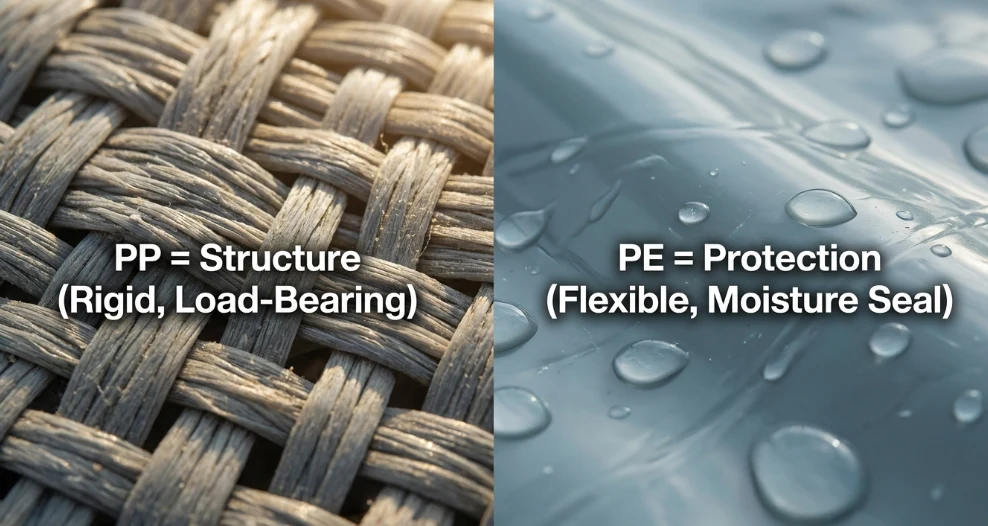
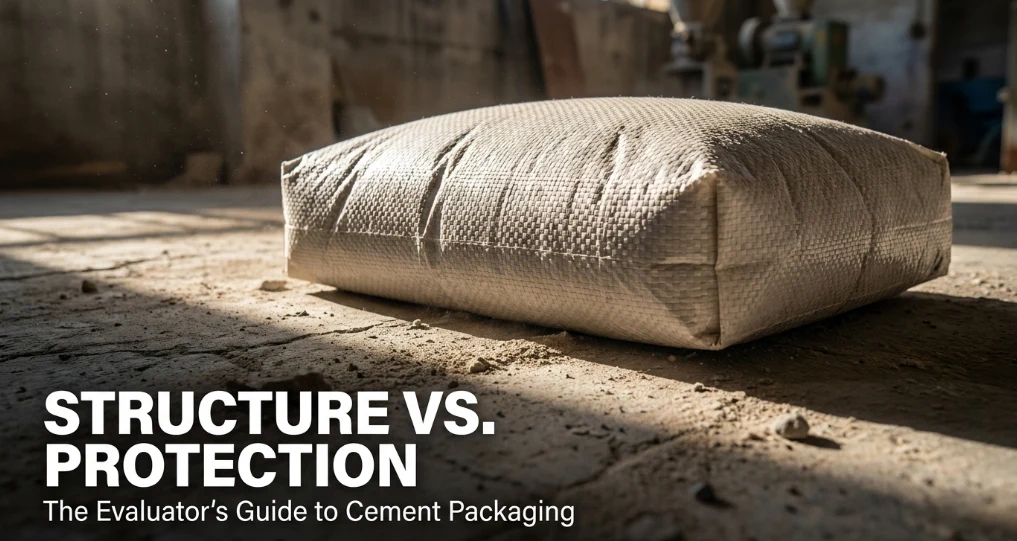
A principal diferença reside na estrutura versus proteção. O PP oferece resistência. O PE oferece vedação contra umidade. Compreender essa distinção torna a decisão entre sacos de PP e sacos de PE muito mais simples.
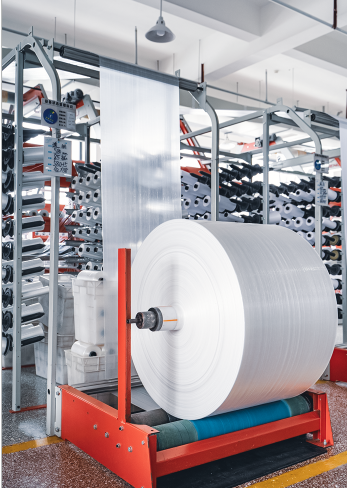
O polipropileno é rígido e mantém uma forma definida quando cheio. Possui alta resistência à tração e boa resistência à perfuração. Essas características são importantes quando as sacolas são empilhadas dentro de contêineres durante longos transportes.
O PP também permite impressões nítidas, o que facilita a personalização da marca e a identificação de lotes. Por esse motivo, a maioria dos sacos de plástico tecido usados para cimento utiliza tecido de PP como base.
O polietileno é mais macio e flexível que o PP. Ele resiste bem à umidade, sendo ideal para uso como revestimento ou camada de filme. Muitas sacolas de polietileno tecido e filmes de PE protegem o pó da umidade e da chuva.
O PE sozinho é menos rígido, por isso raramente é a única bolsa estrutural para cargas pesadas de cimento.
Os compradores de cimento se preocupam com as taxas de danos, a velocidade de produção e a durabilidade do armazenamento. A tabela abaixo compara os dois materiais em relação aos fatores que influenciam esses resultados.
| Critérios | Saco tecido PP | PE (Filme/Revestimento) |
| Resistência à tracção | Alto | Moderado |
| Rigidez | Rígido, mantém a forma | Flexível |
| Resistência à perfuração | Forte | Justo |
| Proteção contra umidade | Necessita de revestimento ou forro. | Excelente |
| tolerância ao calor | Mais alto | Mais baixo |
| Resistência aos raios UV | Bom com estabilizadores | Degrada-se mais rapidamente |
| Empilhabilidade | Forte | Mais fraco |
| Capacidade de impressão | Claro | Limitado |
| Eficiência da linha | amigável de alta velocidade | Melhor como forro |
Para um contexto material mais aprofundado, veja Qual é melhor? Polietileno ou polipropileno.
A escolha do material depende de para onde o cimento é transportado e como é armazenado. Três cenários comuns mostram como essas compensações se desenrolam.
Em áreas costeiras, a umidade constante é um fator determinante. Nesses casos, um tecido de polipropileno (PP) com revestimento de polietileno (PE) apresenta bom desempenho. O PP suporta o peso, enquanto o PE impede a entrada de água. Essa combinação reduz a formação de grumos e a perda de produto.
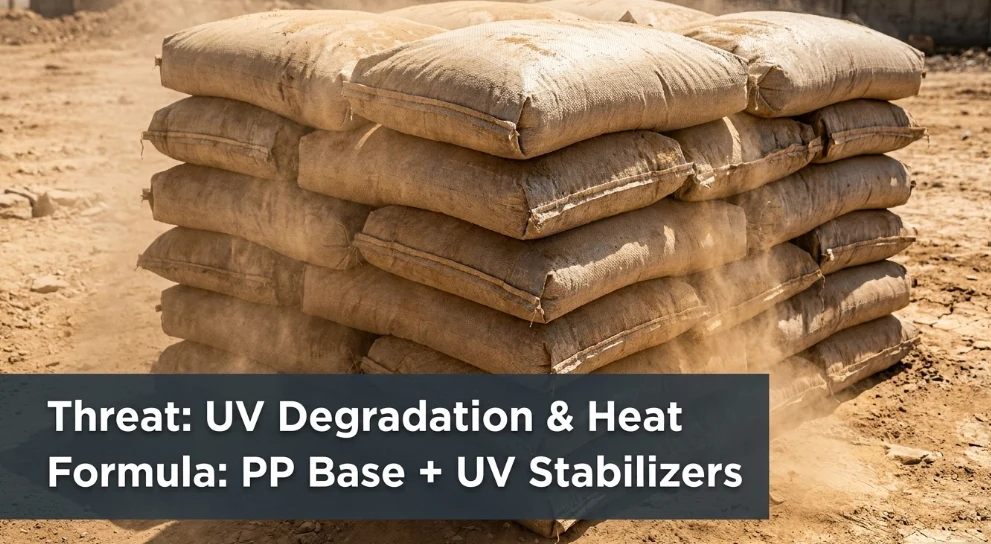
Sacolas armazenadas ao ar livre ficam expostas à forte luz solar e ao calor. O polipropileno (PP) com estabilizadores UV resiste à degradação por mais tempo do que o tecido sem tratamento. Sem aditivos UV, as sacolas expostas enfraquecem e rasgam durante o manuseio.
Distribuidores que realizam envios entre regiões empilham sacos em várias camadas. O PP resiste ao esmagamento e ao rasgo sob essa pressão. Uma camada de proteção contra umidade ainda é importante, já que os contêineres marítimos retêm a condensação.
Alegações de marketing por si só não comprovam a qualidade das bolsas. No Grupo XIFA, nosso sistema de controle de qualidade utiliza testes documentados, registros de produção e rastreabilidade do produto para verificar o desempenho das bolsas antes da entrega.
Nosso processo de produção e inspeção abrange fatores-chave de desempenho, incluindo:
Esses requisitos são confirmados de acordo com o design da embalagem, o processo de enchimento, as condições de armazenamento, o método de empilhamento e as necessidades de transporte de cada projeto.
O Grupo XIFA opera em uma área de 72.000 metros quadrados, com mais de 800 funcionários. Nossa capacidade máxima de produção mensal chega a 21 milhões de sacolas, atendendo tanto a grandes encomendas quanto a pedidos personalizados para exportação.
Utilizamos sistemas ERP e MES para gerenciar a produção, enquanto a rastreabilidade por código QR conecta cada pedido aos seus registros de fabricação. Testes de queda e um programa de retenção de amostras proporcionam controle adicional em todo o processo produtivo.
Este sistema de qualidade de ponta a ponta dá suporte aos nossos projetos de exportação na Europa, no Oriente Médio e na América do Sul.
Para uma comparação técnica de materiais de embalagem comuns, leia Tecido PE vs. Tecido HDPE vs. Tecido PP.
Escolha o PP como tecido base para obter resistência, empilhamento e velocidade de linha. Adicione um revestimento ou filme de PE quando a umidade representar uma ameaça real. Essa combinação atende à maioria das condições de cimento sem custos excessivos.
Considere também o custo em relação ao desempenho. Sacolas de tecido HDPE e opções de PP revestido oferecem maior durabilidade a um custo mais elevado. Equilibre esse gasto com a taxa de danos esperada e o tempo de armazenamento.
Grupo XIFA é um fabricante de embalagens que produz tecido PP, Sacos BOPP, Big bags de FIBCe sacos de filme PE. Suas linhas oferecem suporte a controles de limpeza de grau alimentício, opções de estabilizador UV, revestimentos de PE e funções de embalagem personalizadas.
As certificações incluem ISO9001, ISO14001, OHSAS18001, BRCGS para alimentos, licença QS para embalagens de alimentos, licença QS para embalagens de produtos perigosos e registro CIQ para embalagens de exportação.
Explorar o coleção completa ou solicite orientação técnica para encontrar a especificação correta para o seu projeto.
Os sacos de polipropileno (PP) tecido são mais resistentes para cimento. Oferecem maior resistência à tração, melhor rigidez e maior resistência a perfurações. O polietileno (PE) é mais macio e funciona melhor como revestimento para absorção de umidade do que como corpo principal do saco para suportar a carga.
Nem sempre. Um revestimento de PE oferece proteção contra umidade em climas úmidos, locais costeiros ou longos transportes marítimos. Em condições secas e com alta rotatividade, o tecido de PP revestido pode ser suficiente.
Depende do tratamento UV. Tecidos sem tratamento enfraquecem em poucas semanas de exposição direta. Sacolas com estabilizadores UV resistem à degradação por muito mais tempo, sendo mais adequadas para armazenamento ao ar livre em canteiros de obras.
O peso do tecido depende do tamanho da carga e da altura da pilha. Cargas mais pesadas e pilhas mais altas exigem tecidos com maior gramatura. Sempre solicite dados de testes de tração e impacto antes de confirmar suas especificações.
Raramente utilizadas em aplicações estruturais. Sacos de polietileno tecido são mais adequados para tarefas leves ou em ambientes com pouca umidade. Para cargas pesadas de cimento e pilhas altas, o tecido de polipropileno (PP) continua sendo a opção estrutural mais prática.