



 por Simin Xiang
A indústria global de embalagens a granel está caminhando em direção a soluções mais resistentes, seguras e sustentáveis. Em termos simples, o mercado de FIBCs de 4 ciclos reflete a forma como as indústrias agora movimentam grandes volumes de materiais com menos riscos, custos mais baixos e maior eficiência. Este artigo explica o que são essas embalagens, onde a demanda está crescendo e como os compradores podem se beneficiar de decisões de fornecimento de longo prazo nos setores de fertilizantes, construção e produtos químicos.
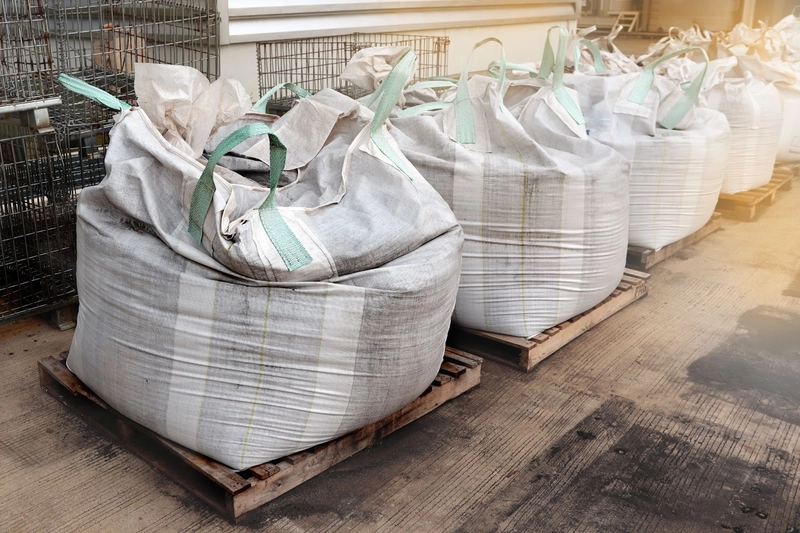
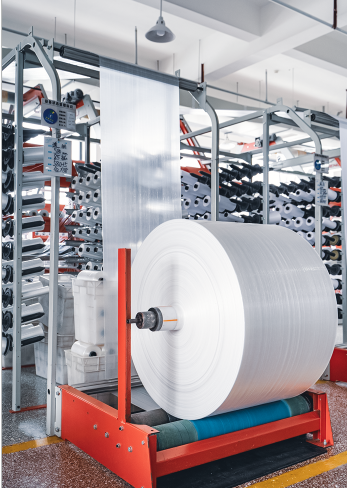
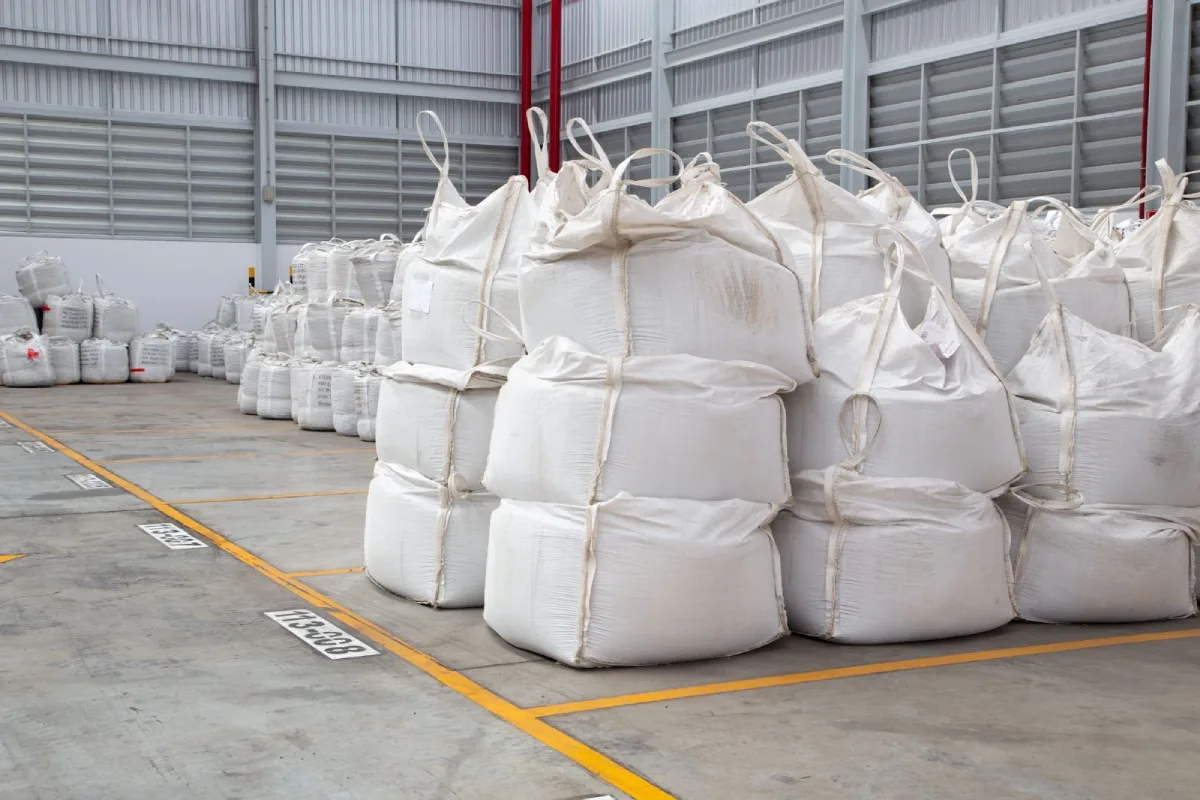
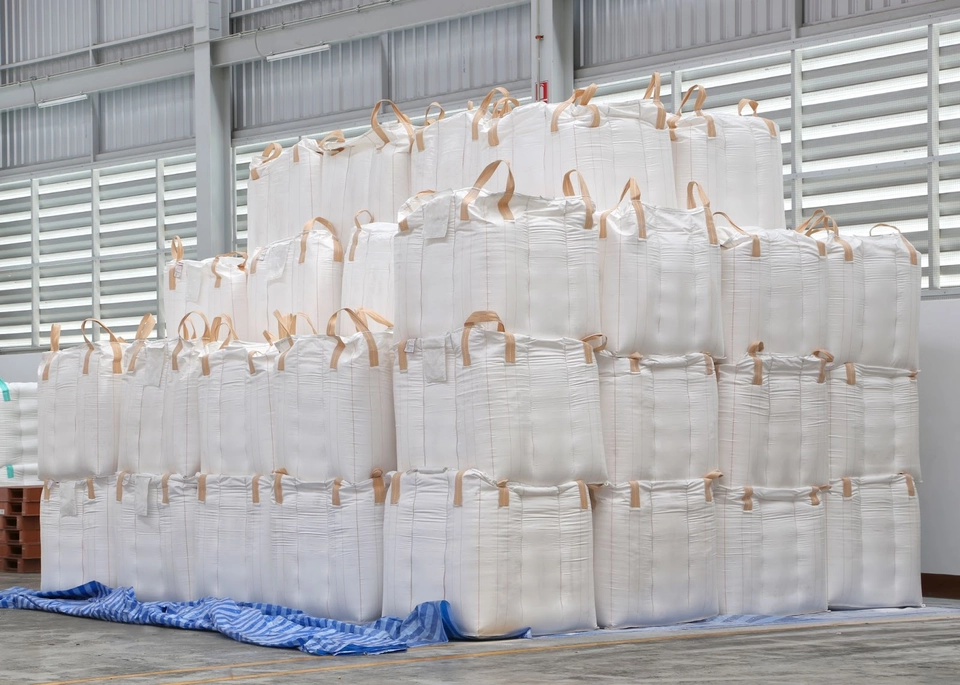
Um FIBC de 4 alças é um contêiner flexível de grandes dimensões feito de tecido de polipropileno trançadoCada canto possui uma alça de içamento. Essas alças permitem que guindastes ou empilhadeiras levantem cargas pesadas com segurança. Esses sacos geralmente transportam de 500 kg a 2.000 kg de materiais secos a granel. Conteúdos comuns incluem fertilizantes, cimento, resina plástica e produtos químicos em pó.
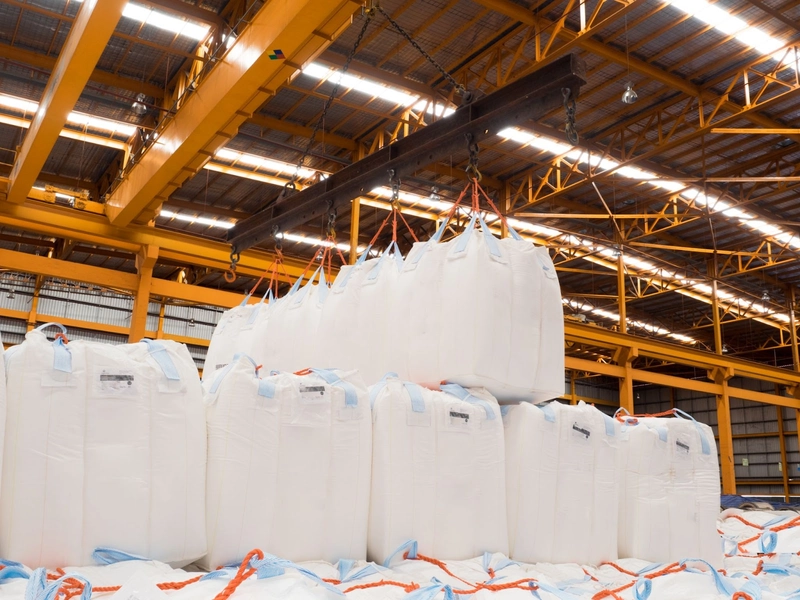
Estudos do setor mostram um crescimento constante até 2035, impulsionado pela agricultura, infraestrutura e processamento químico. A demanda aumenta à medida que as empresas substituem sacos pequenos por sistemas de manuseio a granel para reduzir custos de mão de obra e transporte. O mercado de FIBCs de 4 ciclos se beneficia dessa mudança em direção à logística a granel e à automação.
Os contêineres a granel reduzem o tempo de carregamento e as perdas de produto. Também simplificam o armazenamento e o transporte. Para os compradores, isso significa menos etapas de manuseio e custos totais de embalagem mais baixos.
Os produtores de fertilizantes dependem de embalagens a granel para transportar grandes volumes com segurança. Essas embalagens protegem o conteúdo da umidade e da contaminação.
Em canteiros de obras, é essencial o manuseio rápido e seguro de materiais. Cimento, areia e agregados são transportados com eficiência em contêineres a granel. O design com quatro alças permite o içamento estável, mesmo com cargas irregulares. O tecido com tratamento UV ajuda as embalagens a resistirem à exposição solar em canteiros de obras abertos. Com o aumento dos investimentos em infraestrutura, a demanda por embalagens a granel também cresce.
O manuseio de produtos químicos exige escolhas cuidadosas de embalagem. Opções antiestáticas e condutivas ajudam a reduzir o risco de eletricidade estática. A resistência a altas temperaturas atende às necessidades de processamento industrial. A resistência à radiação também é importante em certos ambientes químicos. Essas características de desempenho tornam os contêineres a granel adequados para condições exigentes.
O polipropileno tecido oferece alta resistência à tração. Costuras e alças reforçadas melhoram a segurança no içamento. Essas características permitem o uso repetido em ciclos industriais. Compreender o potencial dos big bags é fundamental para maximizar a estabilidade da carga.
Em determinadas aplicações, as bolsas são expostas ao calor ou à radiação controlada. Tratamentos especiais nos tecidos ajudam a manter a estrutura e o desempenho.
O tecido PP pode ser reciclado após o uso. Muitos compradores agora consideram os ciclos de reutilização ao selecionar embalagens. Isso contribui para o planejamento de custos a longo prazo e para as metas de sustentabilidade.
Os compradores modernos frequentemente necessitam de dimensões personalizadas. Revestimentos internos protegem materiais sensíveis. O tecido revestido melhora o controle da umidade. Essas opções permitem que as embalagens a granel atendam às necessidades exatas do produto.
A impressão nítida facilita a identificação do produto. Os códigos QR ajudam a rastrear lotes ao longo da cadeia de suprimentos. Isso melhora o controle logístico e a preparação para auditorias.
Grandes projetos exigem um fornecimento consistente. Uma base de produção estável permite contratos de longo prazo e planejamento de volume. O Grupo XIFA opera como um fabricante de sacos FIBC de quatro ciclos com produção integrada, incluindo tecido PP, Big bags de FIBCe sacos de filme PE.
A XIFA trabalha com grandes grupos industriais como CNOOC, SINOPEC e SQM em soluções FIBC. Essas parcerias demonstram experiência em setores exigentes como energia, química e mineração. Para compradores profissionais, isso sinaliza maturidade de produção e conhecimento de aplicação.
Muitos compradores adquirem sacos FIBC de 4 ciclos de um exportador para atender a diversas regiões. A experiência em exportação auxilia no gerenciamento de certificações, padrões de embalagem e planejamento de entrega. A XIFA apoia seus compradores como fornecedora de sacos FIBC de 4 ciclos, buscando parcerias de longo prazo.
As decisões sobre embalagens a granel impactam diretamente o controle de custos, a segurança e a eficiência. À medida que os setores crescem, escolher parceiros experientes torna-se ainda mais importante. O Grupo XIFA apoia compradores profissionais com uma gama de soluções completas. Big bags de FIBC, tecido PP trançado e soluções de embalagem relacionadas.
1. Quais são os setores industriais que mais utilizam sacos FIBC de 4 alças?
Fertilizantes, materiais de construção e produtos químicos.
2. Qual é a capacidade de carga dessas bolsas?
A maioria dos modelos suporta de 500 a 2.000 quilos.
3. Essas sacolas são reutilizáveis?
Sim, se manuseado corretamente.
4. Eles oferecem proteção contra umidade?
Sim, através de revestimentos e acabamentos.
5. Por que os compradores preferem quatro alças de elevação?
Para melhor equilíbrio e segurança durante o transporte.