

 par Roy
Comprendre les sacs FIBC de qualité pharmaceutique repose sur un principe fondamental : ces solutions d’emballage en vrac protègent les produits pharmaceutiques sensibles de la contamination, de l’humidité et des risques liés à la manipulation. Conçus pour une sécurité optimale, ces sacs répondent à des normes strictes, notamment la certification BRCGS, les options antistatiques, la production en salle blanche et la détection des métaux. Cet article vous expliquera ce qu’est un sac FIBC pour produits pharmaceutiques, son importance, son processus de fabrication et comment des entreprises comme XIFA respectent ces exigences élevées. À la fin de votre lecture, vous saurez précisément quels critères prendre en compte pour choisir un emballage sûr et conforme.
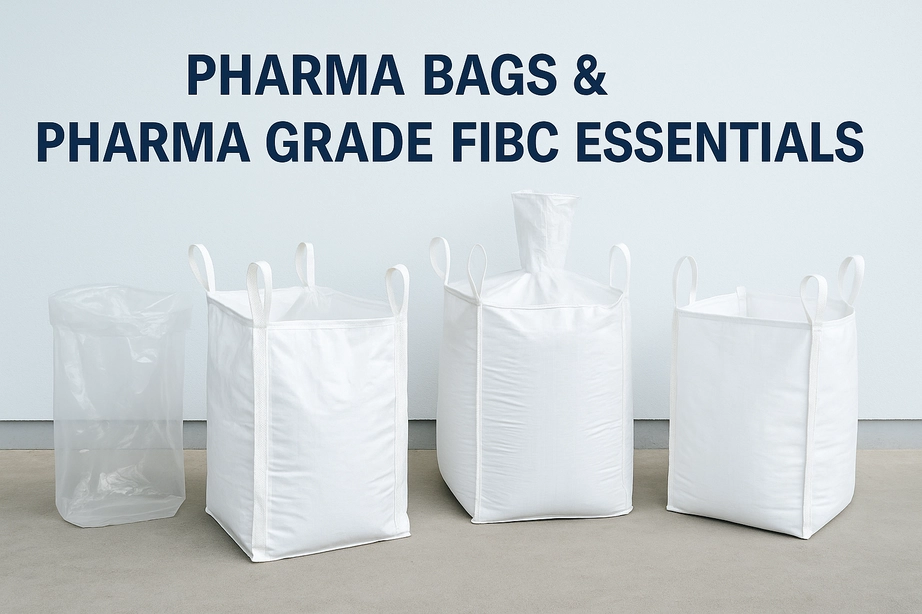
Les sacs FIBC de qualité pharmaceutique sont grands conteneurs tissés Ces entrepôts servent au stockage et au transport des matières premières, poudres et ingrédients pharmaceutiques. Leur conception respecte des normes d'hygiène strictes, car la moindre contamination peut compromettre la sécurité.
Trois points clés à retenir :
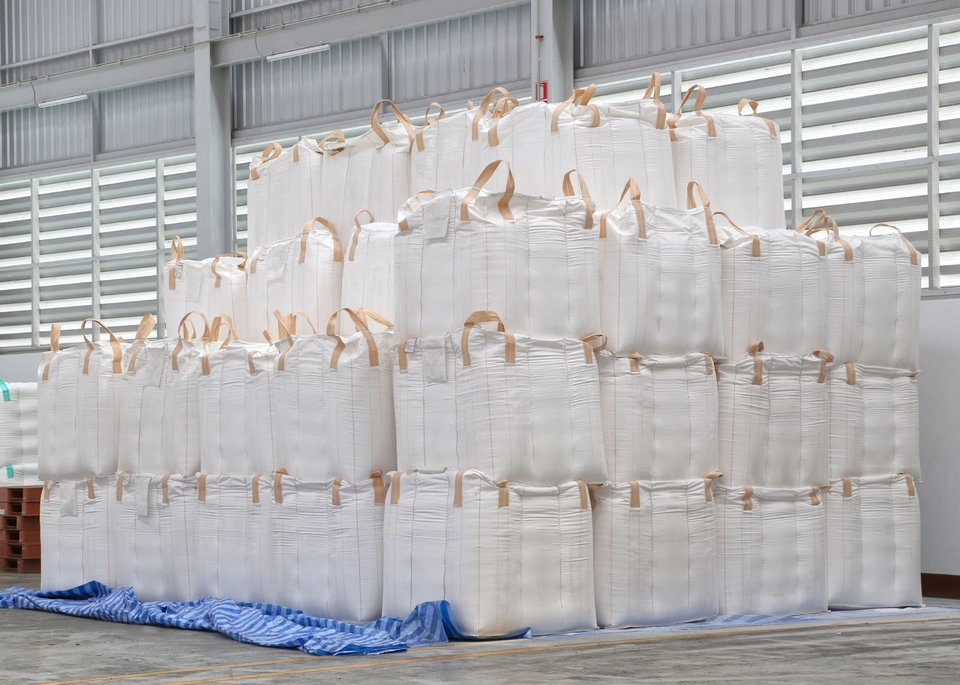
Ces conteneurs pharmaceutiques en vrac sont soumis à des exigences plus strictes que les sacs alimentaires ou industriels. L'industrie pharmaceutique exige propreté, sécurité des matériaux et un suivi complet de la production. Même de petites particules ou une décharge statique peuvent engendrer des risques majeurs. De nombreuses installations utilisent des détecteurs d'aiguilles automatiques pour s'assurer qu'aucun morceau de métal pointu ne reste à l'intérieur des sacs pendant la production, une étape souvent négligée dans l'emballage en général. Le système qualité de XIFA est conforme à la certification BRCGS de qualité alimentaire, qui s'applique également aux applications pharmaceutiques. Leur processus comprend des contrôles des matières premières, des inspections sur site et un codage complet du produit pour une traçabilité optimale.
Ces conteneurs doivent répondre à des normes internationales strictes. Voici les principales caractéristiques qui les distinguent :
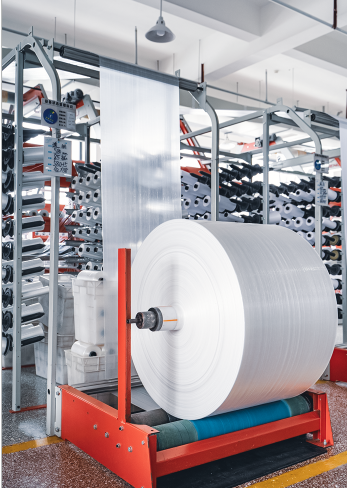
Les GRVS pharmaceutiques utilisent des matériaux tissés polypropylène (PP) avec un faible risque de contamination. L'usine XIFA utilise des équipements de tréfilage et de tissage de pointe pour garantir une production propre et stable.
La plupart des applications pharmaceutiques utilisent des doublures multicouches en polyéthylène pour bloquer l'humidité et protéger les poudres de l'air extérieur. Ces doublures contribuent également à maintenir l'écoulement du produit lors du déchargement.
Les poudres pharmaceutiques peuvent générer de l'électricité statique, c'est pourquoi de nombreuses entreprises pharmaceutiques... sacs en vrac sont disponibles en versions antistatiques de type C ou de type D pour réduire les risques d'inflammation dans les environnements de manipulation de poudres.
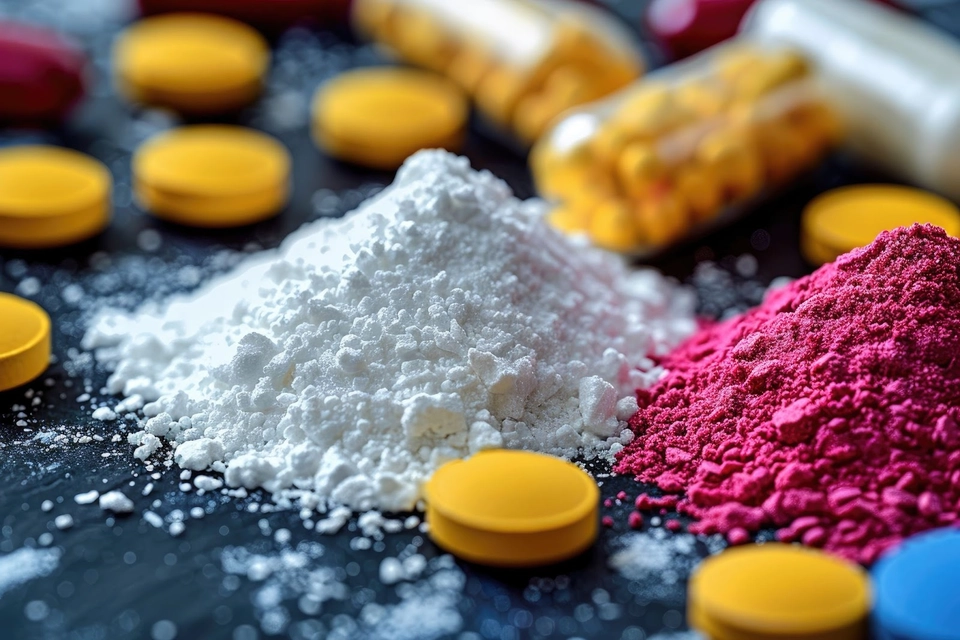
Les coutures étanches empêchent les microparticules de s'échapper ou de pénétrer dans les emballages pharmaceutiques pendant le transport. Ceci est essentiel pour les opérations conformes aux BPF et en salle blanche.
XIFA intègre des contrôles à chaque étape de la production, notamment le contrôle des matières premières, la surveillance sur site, l'échantillonnage et les inspections finales complètes. Ces contrôles permettent d'empêcher l'introduction de corps étrangers dans la chaîne d'approvisionnement et de garantir une qualité de produit sûre et constante.
Le production de ces systèmes d'emballage implique des étapes contrôlées qui privilégient la sécurité et la propreté.
Ces sacs conviennent à diverses applications, notamment :
Lors du choix des poches Pharmagrade, tenez compte des éléments suivants :
1. Qu’est-ce qui fait qu’un sac est de « qualité pharmaceutique » ?
Il répond à des règles strictes d'hygiène et de sécurité, comprend des doublures intérieures et suit des étapes de production contrôlées.
2. Ces sacs en vrac sont-ils adaptés aux poudres ?
Oui. Ils utilisent des doublures, des coutures étanches et des options antistatiques pour protéger les poudres de l'humidité et de l'électricité statique.
3.Les sacs pharmaceutiques en vrac nécessitent-ils une certification ?
La plupart des acheteurs privilégient les certifications BRCGS ou similaires car elles garantissent la sécurité.
4. Ces sacs peuvent-ils être personnalisés ?
Oui. La taille, la couleur, les doublures, l'impression et les propriétés antistatiques peuvent être personnalisées.
5. Les contenants de qualité pharmaceutique sont-ils réutilisables ?
Certains peuvent être réutilisés sous réserve de règles de nettoyage strictes, mais de nombreuses industries privilégient l'usage unique pour des raisons de sécurité.
Choisir la solution d'emballage pharmaceutique en vrac adaptée permet de protéger les matières premières, de garantir la conformité réglementaire et d'optimiser la maîtrise de la chaîne d'approvisionnement. XIFA propose une gamme complète de sachets pharmaceutiques, ainsi que des services de production propre, de tests, de personnalisation et d'assistance en usine. Si vous souhaitez concevoir des emballages plus sûrs et plus performants, découvrez nos solutions. XIFADécouvrez les solutions de [Nom de l'entreprise] et lancez votre projet en toute confiance.