



 by Simin Xiang
The right cement packaging bags balance air permeability, bursting strength, and clean handling to keep automatic filling lines running without stops. This guide shows you how to match bag design to your filling speed, storage conditions, and transport routes. You will learn how permeability and bursting rates drive downtime, and how to specify bags that protect every kilogram.
Cement is a fine, abrasive powder that traps air and pulls in moisture. So bag design must handle both problems at once.
During filling, air must escape fast so the bag fills tightly. During storage, moisture must stay out to prevent caking. These two needs pull in opposite directions, which is why cement packaging is a real engineering choice.
Many teams pick bags on unit price alone. Then they pay more later through spillage, rejected pallets, and line stops. A cheap bag that bursts on a packer erases its savings in one shift.
Permeability controls how quickly trapped air leaves the bag during filling. It directly sets your packs-per-minute on high-speed systems.
On rotary packers like HAVER & BOECKER systems, cement enters under pressure in seconds. The fabric or micro-perforations must vent that air fast. If air stays trapped, weights drift, sensors misread, and the machine slows down.
Too little venting causes soft, unstable bags and overweight rejects. Too much venting lets dust escape and invites moisture later. A cement bag spec should tune weave density and perforation placement to your packer airflow.
Mini case: A dry-mix mortar plant lifted output by roughly 6 packs per minute after adjusting perforation pattern to match packer deaeration. No machine change was needed.
Every burst bag stops the line, triggers cleanup, and skews weight records. Bursting rate is the single clearest link between bag quality and downtime cost.
Failures usually start at the valve, the seams, or thin fabric zones. Impact drops, tall stacks, and forklift handling add stress. Heavy-duty cement bags need matched tape denier, pick density, and fabric weight to survive these loads.
Downtime is not just lost bags. It is lost line minutes, sweep losses, and reconciliation errors. The table below shows how small burst reductions add up.
| Burst Rate | Bags Lost per 100,000 | Line Stops (est.) | Main Cost Driver |
| 1.0% | 1,000 | High | Cleanup + downtime |
| 0.5% | 500 | Medium | Rework + claims |
| 0.2% | 200 | Low | Minor sweep loss |
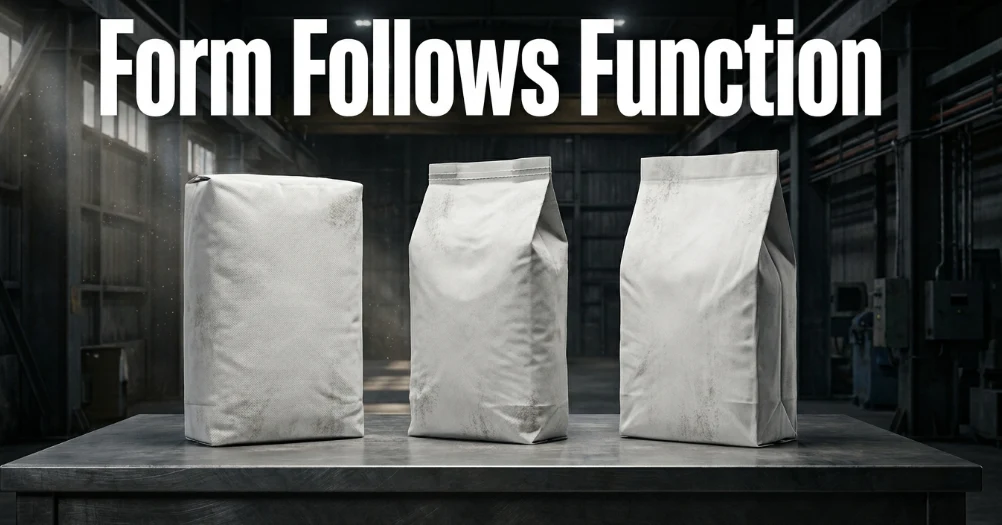
The best format depends on filling method, stack height, and truck size. Match the bag to the line, not the other way around.
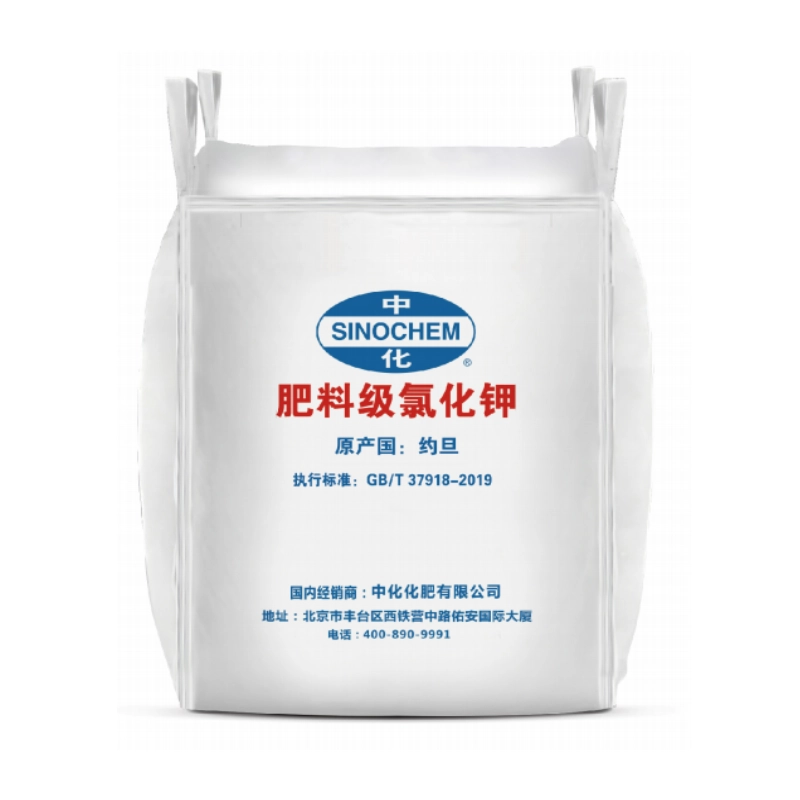
Block bottom valve bags support square stacking and fast automated filling. Pinch bottom bags suit full-mouth filling with tight closure control. Gusseted designs improve truck cube efficiency and cut film use.
For coastal or monsoon zones, add lamination or a PE film liner. This blocks vapor while controlled venting still allows air release. Good cement solutions balance both across your average stock rotation days.
Flat, square, consistent bags build stable pallets that survive long hauls. Handling gains start with dimension control.
Consistent bag size prevents edge mushrooming. Anti-slip coatings help belt transfer and pallet stacking. Align pallet footprints with your truck body sizes to avoid overhang and in-transit damage.
Run drop tests, top-load compression, and burst checks across lots. Add QR codes for traceability during audits. These steps protect industrial cement bags’ performance through seasonal humidity swings.
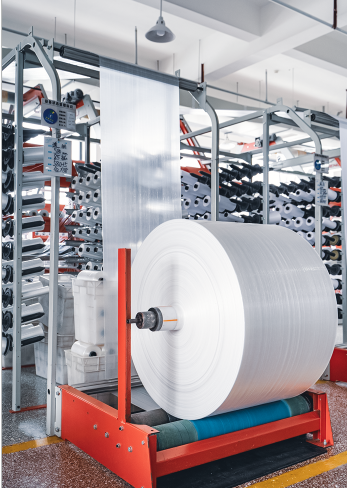
XIFA Group has produced woven packaging since 1998, backed by a large manufacturing base and 800+ skilled workers. The company exports to 28+ countries and serves 400+ customers, including major enterprises.
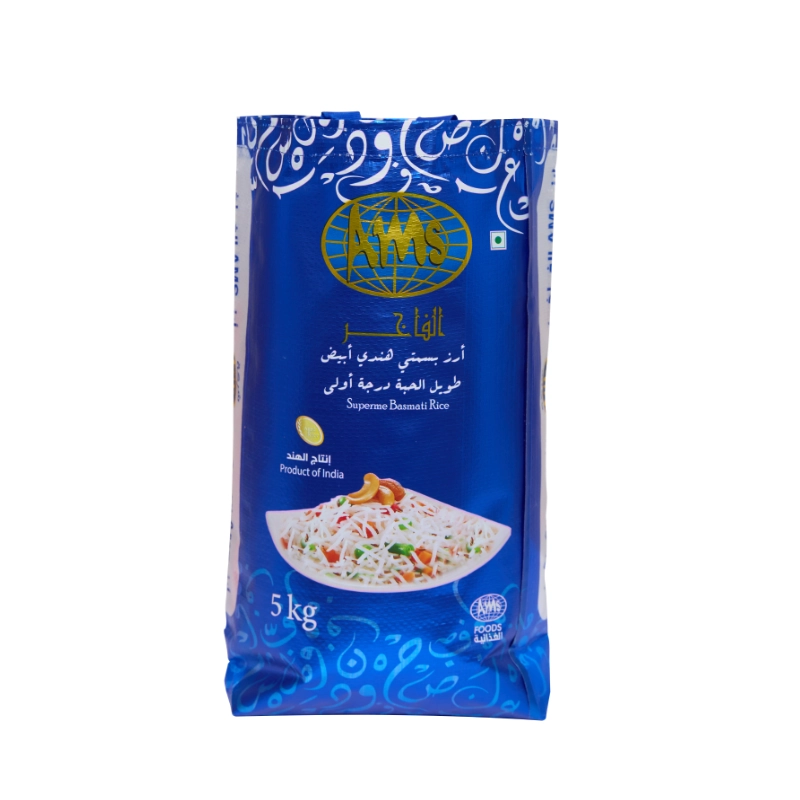
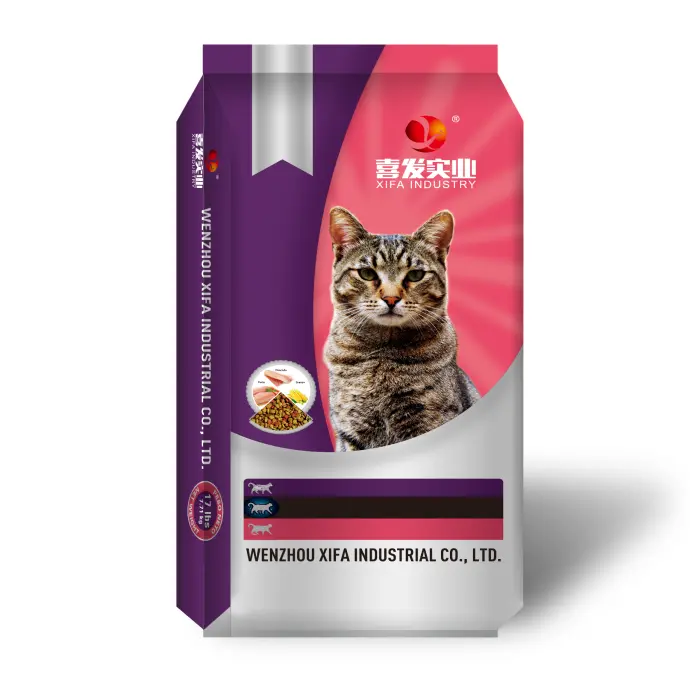
Product lines include PP Fabric, BOPP Bags, FIBC Big Bags, and PE Film Bags. Certifications cover ISO9001, ISO14001, OHSAS18001, and BRCGS food grade, with QR traceability across production. These support construction, chemical, agriculture, and food applications.
The best cement packaging bags are proven on the customer’s line, not selected from a catalog alone. Explore XIFA Group’s packaging collection and discuss a trial specification.
A valve bag with venting matched to your packer airflow reduces downtime most. Correct permeability keeps weights stable and prevents machine slowdowns from trapped air.
Match fabric weight, tape denier, and pick density to your handling loads. Reinforce valve and seam zones, then validate with drop and burst testing per lot.
A liner helps in humid, coastal, or long-storage conditions. It blocks moisture while controlled venting still allows air release during filling.
Yes. Square, consistent bags build stable pallets and improve truck cube efficiency. This cuts film use, overhang, and rejected deliveries.