

 by Simin Xiang
Color matching on woven PP bags depends on ink control, print method, substrate consistency, and process traceability. If you want brand colors to stay consistent from sample to shipment, you need a controlled printing system, not just a good design.
This article explains five practical tips used by manufacturers to improve color accuracy on custom-printed polypropylene bags. You will learn how gravure printing supports tighter color control, why ink and film selection matter, and how traceable production reduces variation. You will also see where flexo and screen printing fit, especially for printed polypropylene bags used in food, chemical, agriculture, and export packaging.
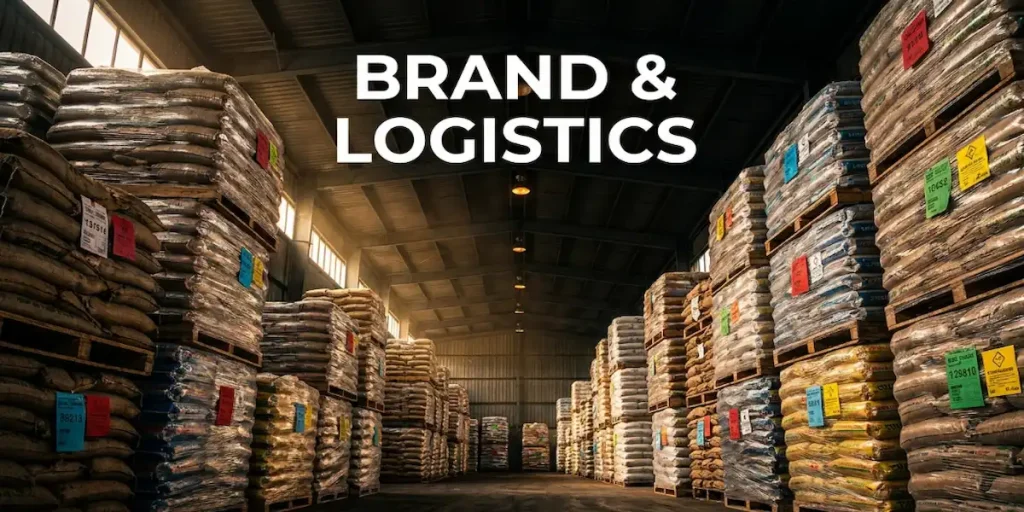
Color matching affects brand recognition, warehouse identification, and print consistency across repeat orders. It also matters when bags carry product grades, warning marks, or export labeling.
For industrial buyers, color variation is not only a visual issue. It can create confusion between SKUs, especially in fertilizer, rice, and animal feed packaging. For a custom printed woven polypropylene bags supplier, consistent color is part of the process control.
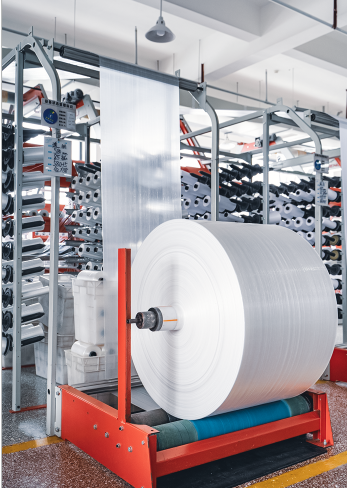
Woven PP fabric is not a smooth paper surface. Its weave, coating, and lamination level change how ink sits and reflects light.
A white laminated bag usually shows stronger color saturation than an uncoated woven surface. This is one reason custom printed polypropylene bags often use BOPP film when visual consistency matters.
Gravure printing uses engraved cylinders that transfer controlled ink volumes to the substrate. That mechanical precision helps reduce color shift across long production runs.
From a manufacturer’s perspective, this method is useful when buyers need fine graphics, dense solids, and repeatable brand colors. It is especially effective for export bags and retail-facing sacks.
Each gravure cell holds a measured amount of ink. When cylinder depth and ink viscosity are controlled, color density stays more stable.
XIFA Group operates 15 printing machines, including advanced 6–8 color gravure printing lines designed for precise multicolor packaging production.
Solvent-based inks are often used because they bond well to PP surfaces. Pantone-style color targets help define the required shade before production begins.
During production, spectrophotometer checks help compare live output against the approved standard. This approach is useful for multicolor screen printing on polypropylene bags and gravure jobs with strict brand requirements.
Different methods serve different production goals. The best option depends on image detail, order volume, and acceptable color tolerance.
| Printing Method | Color Accuracy | Setup Level | Best Use |
| Flexographic Printing | Moderate | Lower | Simple graphics, large industrial runs |
| Gravure Printing | High | Higher | Detailed graphics, export and premium bag designs |
| Screen Printing | Moderate to High on simple layouts | Medium | Short runs, bold spot colors, simple artwork |
Flexo works well for basic logos, text, and limited-color layouts. It is often the better choice when speed and cost matter more than fine image detail.
Screen printing fits short runs and simple spot-color graphics. It can work for bold marks, but it is less efficient for complex multicolor layouts.
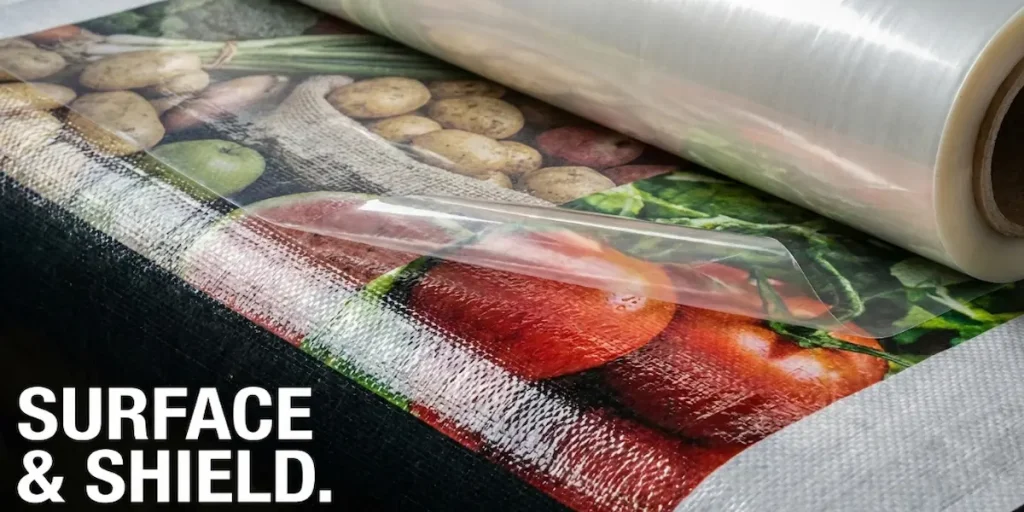
Good color matching starts before the press runs. The following steps reduce variation and improve repeatability.
Approve colors using a physical sample, digital proof target, or Pantone reference. Do this before cylinder preparation or ink mixing begins.
For printing on polypropylene bags, ink adhesion matters as much as color tone. Solvent-based inks are commonly selected because they perform well on PP substrates.
Dust, uneven coating, and variable weave tension can change print appearance. Stable substrate conditions help keep the final color closer to the target.
BOPP lamination protects the print from abrasion and UV exposure. It also increases color vibrancy and improves the look of fine graphics.
A rice export bag is a good example. Reverse-printed BOPP film can keep red and gold branding more uniform during storage and shipment.
Traceability helps identify why color drift happened. XIFA Group uses ERP and MES systems, plus variable QR code traceability, to connect orders, materials, and production records.
In one fertilizer bag project, this type of tracking can help trace a shade difference back to ink batch, film lot, or press settings. That shortens correction time on repeat orders.
Large distributors often need more than visual approval. They need proof that every batch follows the same process.
For printing on polypropylene bags, traceable production helps connect raw materials, printing records, and finished goods. XIFA Group supports this through an integrated industry and trade model designed for export and large-volume supply.
Available certifications and qualifications include BRCGS, ISO9001, ISO14001, OHSAS18001, printing production qualification, product barcode production qualification, QS food packaging industrial production license, QS dangerous goods packaging industrial production license, and CIQ export packaging container registration certificate.
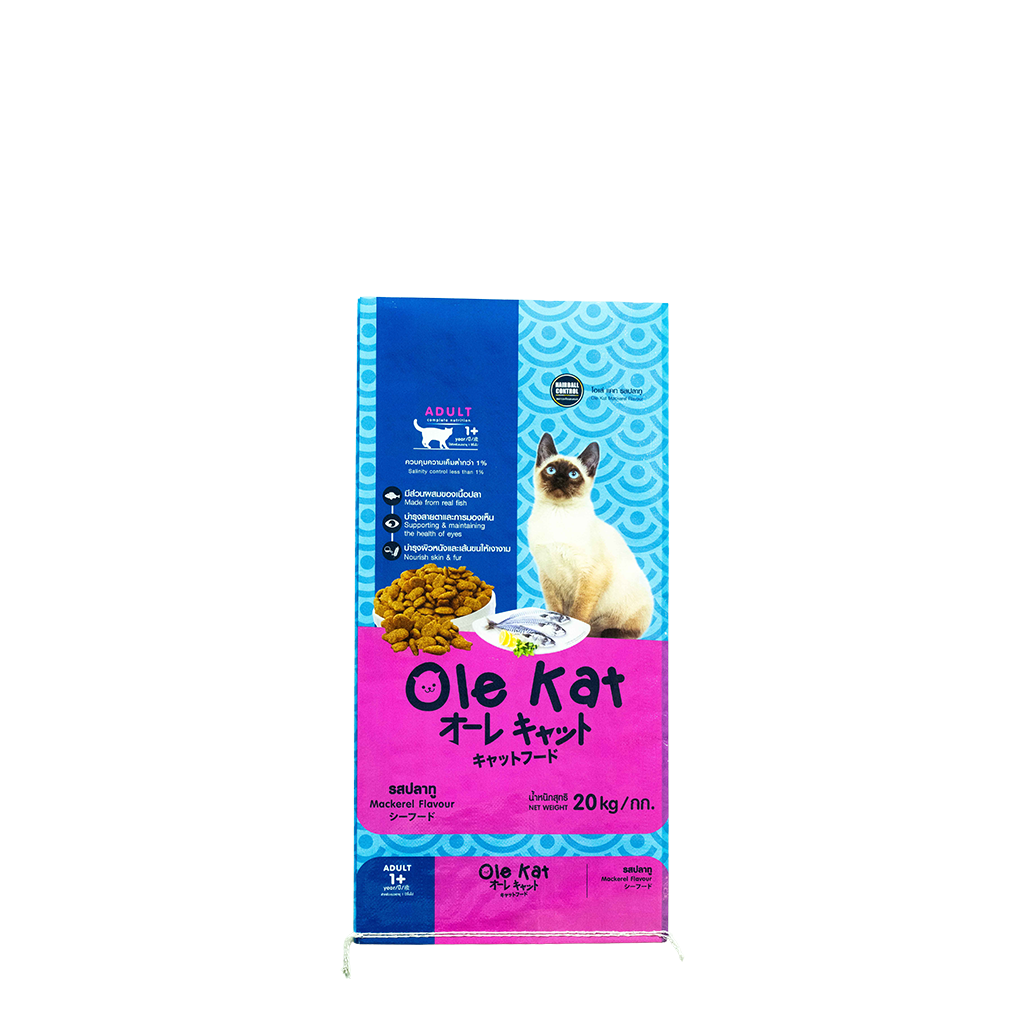
Accurate color matching depends on process control, not guesswork. Method selection, ink choice, lamination, and traceability all affect the final result for custom printed woven polypropylene bags supplier programs.
XIFA Group is a packaging manufacturer with PP fabric, BOPP bags, FIBC big bags, and PE film bag solutions. With long production experience, multi-line gravure capability, and documented process control, the company supports projects across food, chemical, agriculture, construction, animal feed, and flood control sectors. You can explore the full collection and company background at XIFA Group.