



 by Simin Xiang
Sugar needs packaging that controls moisture, protects product flow, and fits the transport route. In most commercial cases, a pp woven sugar bag with the right lamination or liner gives the best balance of strength, moisture resistance, and handling.
This guide explains how PP, woven, paper, and PE options perform in real use. You will learn where each material fits and how moisture-proof performance changes by structure.
Sugar is stable in dry conditions, but it absorbs moisture from humid air. Once moisture enters the pack, the product can cake, harden, and lose free-flow performance.
For buyers in the grain, rice, and food sectors, packaging choice affects storage loss, line efficiency, and customer complaints. It also affects pallet stability, print quality, and waste handling.
Moisture changes the surface of sugar crystals. The crystals begin to dissolve slightly, then bind together during storage.
This causes clumping in retail packs and bridging in large bags. In export shipments, this can lead to discharge problems and repacking costs.
Start with three factors: water vapor barrier, mechanical strength, and end-use format. A bag that works on a dry retail shelf may fail in a humid port or unconditioned warehouse.
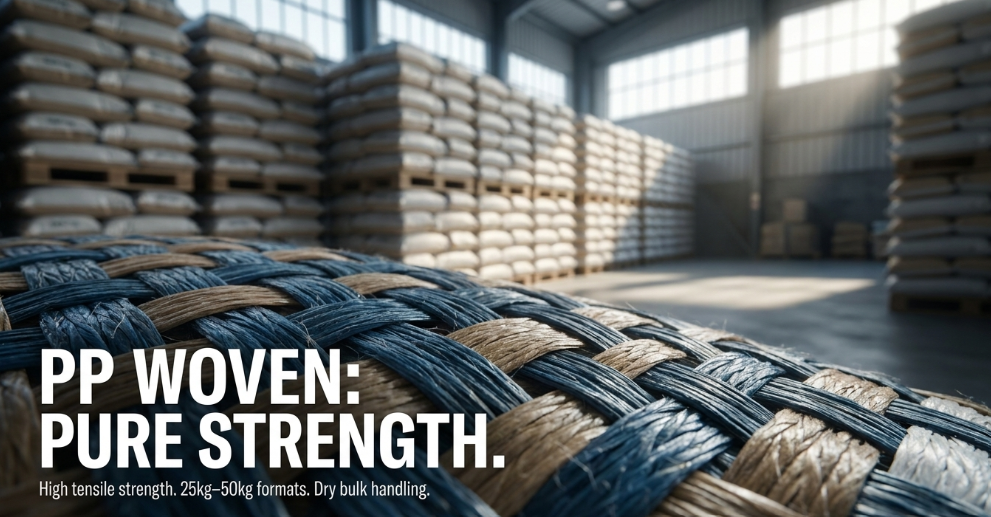
PP woven structures are common because they combine tensile strength with low material cost. They also work well in manual and automated filling lines.
Among many sugar packaging bag manufacturers, PP woven remains a standard choice for 25 kg to 50 kg formats. It is also widely converted into BOPP-laminated and liner-inserted versions.
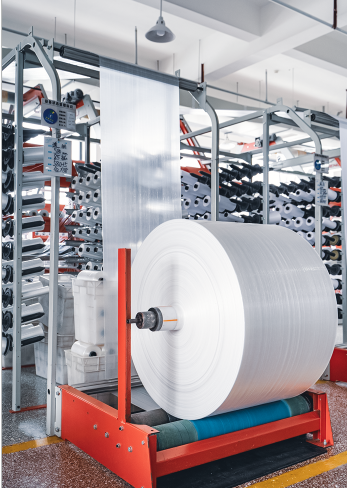
A woven polypropylene bag is made from stretched PP tapes woven into fabric. This creates strength, puncture resistance, and good stack performance.
The woven base alone is not a full moisture barrier. For sugar, buyers often add lamination or an internal liner.
Bopp laminated bags for sugar add a printed film layer to the woven base. This improves surface print, dust control, and moisture resistance.
They fit branded wholesale packs and some retail-ready outer packs. They also hold shape better during stacking and transport.
A food buyer stored 50 kg of sugar packs in a non-air-conditioned warehouse for six weeks. Standard woven bags without liners showed caking near the bottom layers.
The same load packed in laminated woven bags with inner liners stayed free-flowing longer. The added barrier reduced moisture pickup during daily temperature swings.
The short answer to why sugar is packaged in paper bags is presentation, printability, and recyclability. Paper is familiar to consumers and works well for retail formats in dry conditions.
The paper also supports brand positioning for stores that want a natural look. But paper alone has limited moisture resistance compared with plastic-based structures.
Sugar paper bags fit small retail packs, secondary packs, and short distribution cycles. They are useful when shelf appearance matters more than long-term humidity control.
Multi-wall paper improves stiffness and drop performance. Even so, humid storage still requires caution.
Paper absorbs moisture and loses strength when wet. If the environment is humid, seals soften, and bag walls can deform.
This is why paper often needs a barrier layer or careful use conditions. Without that, paper is better for controlled indoor supply chains than export routes.
A supermarket pack for 1 kg of refined sugar uses multi-wall paper in a climate-controlled channel. The format performed well because the shelf life was short and the humidity stayed low.
The same pack would face a higher risk in open-air storage or tropical transport. In those cases, barrier support becomes more important.
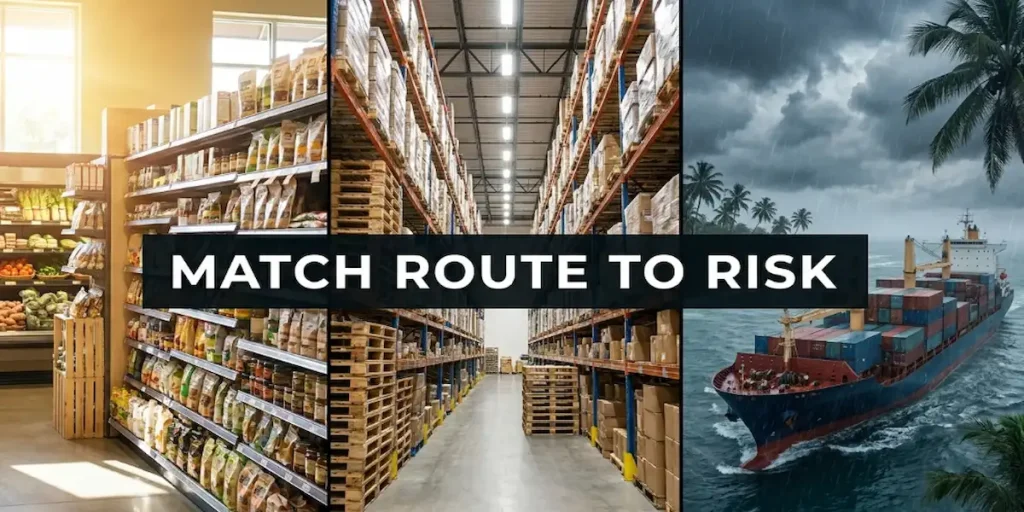
PE offers the strongest direct moisture barrier of the three options discussed here. If moisture control is the priority, PE performs very well.
A sugar peel liner bag usually combines a woven outer bag with a PE inner liner. This gives both strength and barrier protection.
PE film has low water vapor transmission compared with plain woven PP or paper. It reduces moisture ingress and helps keep sugar free-flowing.
That makes it useful for humid climates, long storage, and export handling. It is also common in inner-liner applications.
PE film alone does not give the same woven strength for heavily stacked loads. It may also feel less premium for shelf presentation unless combined with another material.
For this reason, many industrial buyers use PE as a liner, not as the only structure.
A shipment moved through a tropical port with high humidity and a long dwell time. Paper packs showed softening and corner damage during handling.
A woven outer bag with a PE liner protected the sugar better. The structure reduced moisture pickup and improved unloading after arrival.
The best choice depends on route, pack size, and storage environment. There is no single answer for all buyers.
| Option | Moisture Protection | Mechanical Strength | Best Use Case | Main Limitation |
| Plain PP Woven | Moderate | High | Bulk handling in dry conditions | Needs lamination or liner for humidity |
| BOPP Laminated PP Woven | Medium To High | High | Branded wholesale and stacked transport | Higher material complexity |
| Paper | Low To Medium | Medium | Retail shelves in dry channels | Weak in humid conditions |
| PE Liner Structure | High | Depends on the Outer Bag | Export, long storage, humid warehouses | Film alone is less stack-stable |
If you are comparing sugar packaging bags suppliers, ask for barrier data, bag structure details, and storage recommendations. Do not judge performance by thickness alone.
XIFA Group also develops recyclable and sustainable packaging solutions, including starch-based biodegradable inner liners compliant with GB/T 38082 standards. These liners help food and agricultural buyers meet growing international requirements for environmentally friendly packaging.
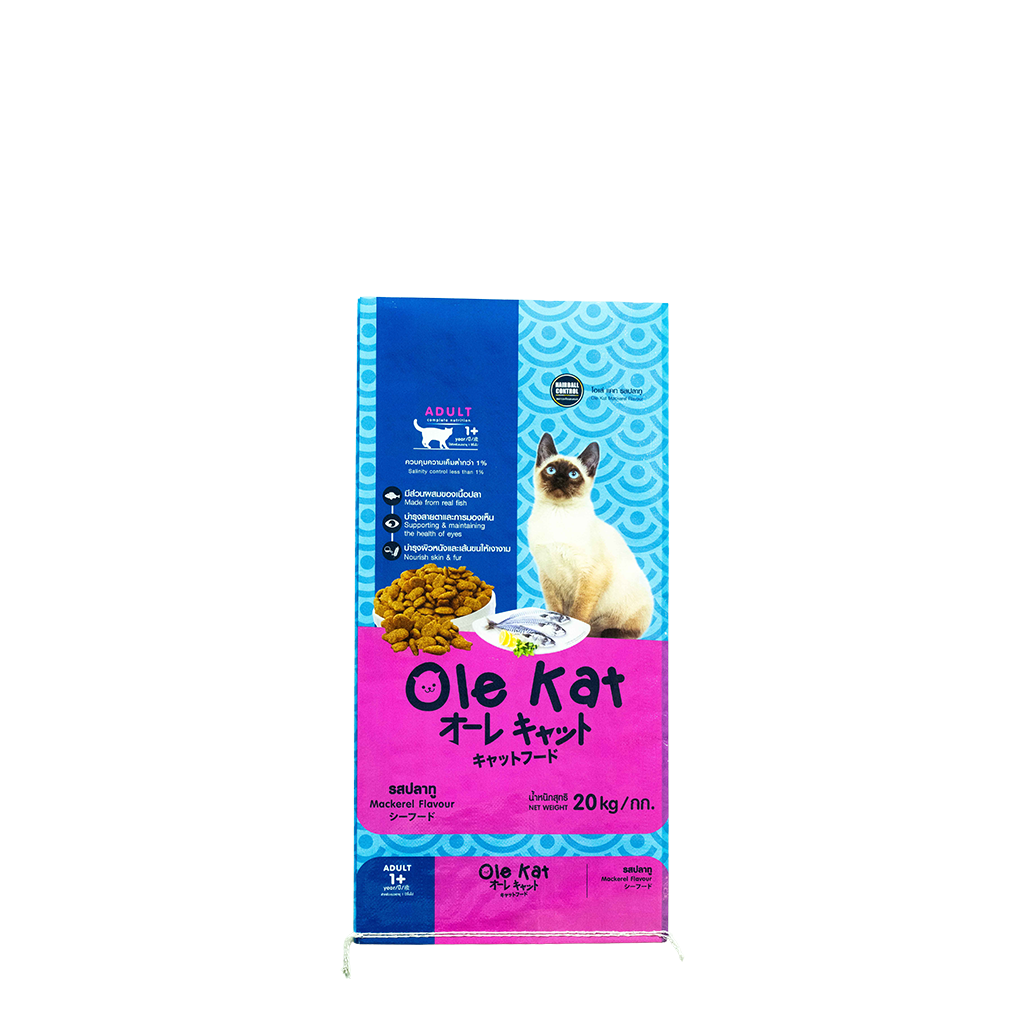
PP woven bags are commonly used for products like rice, flour, feed, fertilizer, and sugar packaging bags because they are strong and flexible. For humid conditions or long storage, PE liners provide extra protection. Paper bags are better for dry retail use where appearance and recycling are important.
XIFA Group has produced packaging since 1998, including PP fabric, BOPP bags, FIBC big bags, PE film bags, and sugar packaging bags. The company also provides certified production, QR-code traceability, and quality control throughout manufacturing. If you are reviewing packaging options for food or industrial use, explore our collection and compare structures based on your storage and transport conditions.