

블로그

Top 5 Industries That Benefit from Block Bottom Bags

4월 18, 2026 로이에 의해

If you’ve ever worked with bulk packaging, you know how small design details can create big operational differences. One of the most practical examples of this is the block bottom bag—a packaging solution that quietly solves common issues like unstable stacking, wasted space, and product loss during transport.

Unlike traditional sacks that collapse or shift, block bottom bags form a structured, brick-like shape when filled. This simple change in form makes them easier to handle, stack, and store. For businesses dealing with high volumes of goods, that added stability can improve efficiency across the entire supply chain.

This is why block bottom bags have become a preferred option across several industries. Their combination of strength, structure, and space efficiency makes them adaptable to both industrial and retail needs.

What Makes Block Bottom Bags Different?

At a glance, the difference is in the base. Block bottom bags are designed with a flat bottom and reinforced sides, allowing them to stand upright once filled. This shape isn’t just about appearance—it directly affects how the bag performs during storage and transport.

Because the bag holds its form, products inside remain evenly distributed. This reduces internal shifting, which can otherwise lead to breakage or uneven stacking. It also allows for tighter packing on pallets, helping maximize available space.

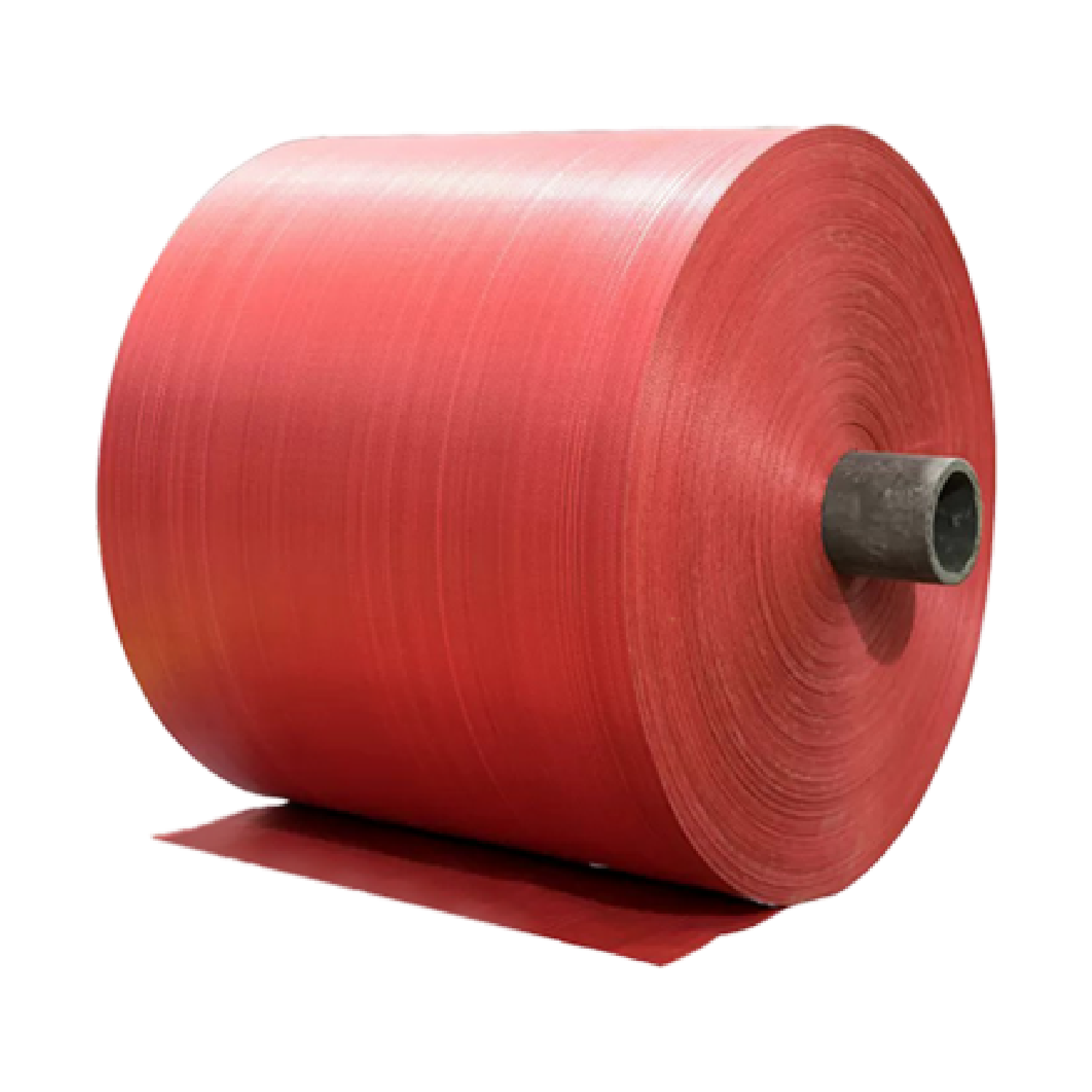
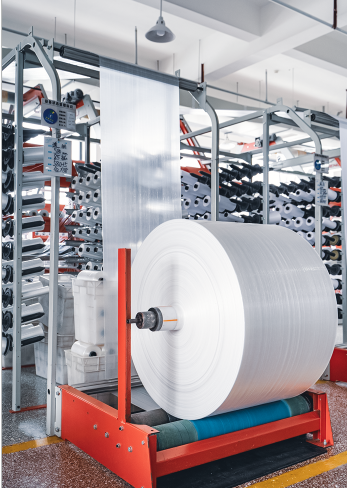
Most of these bags are made from woven polypropylene (PP), a durable material known for its resistance to tearing. In many cases, a thin BOPP layer is added for moisture protection and better print quality. Together, these materials create a packaging solution that balances strength with presentation.

PP 원단

Where These Bags Make the Biggest Impact

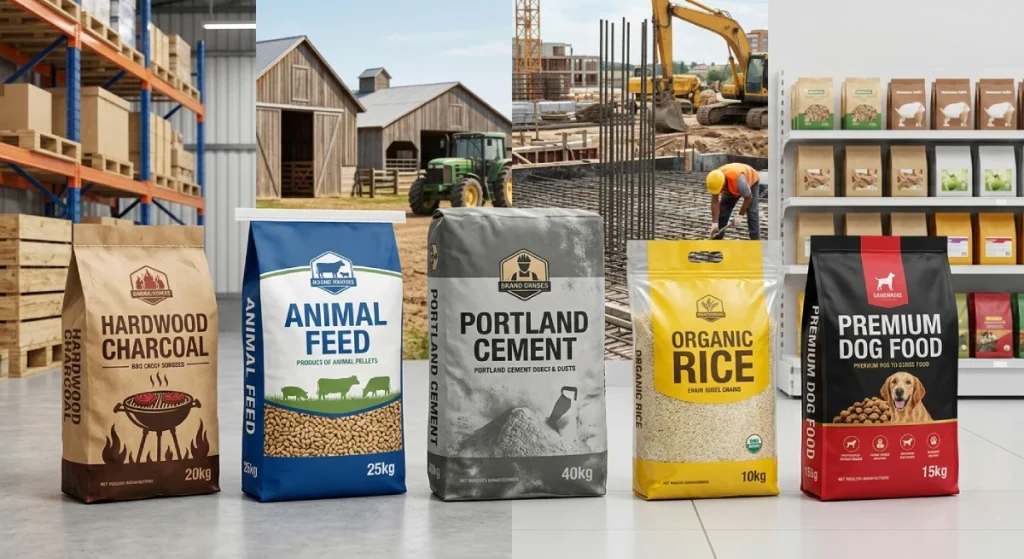
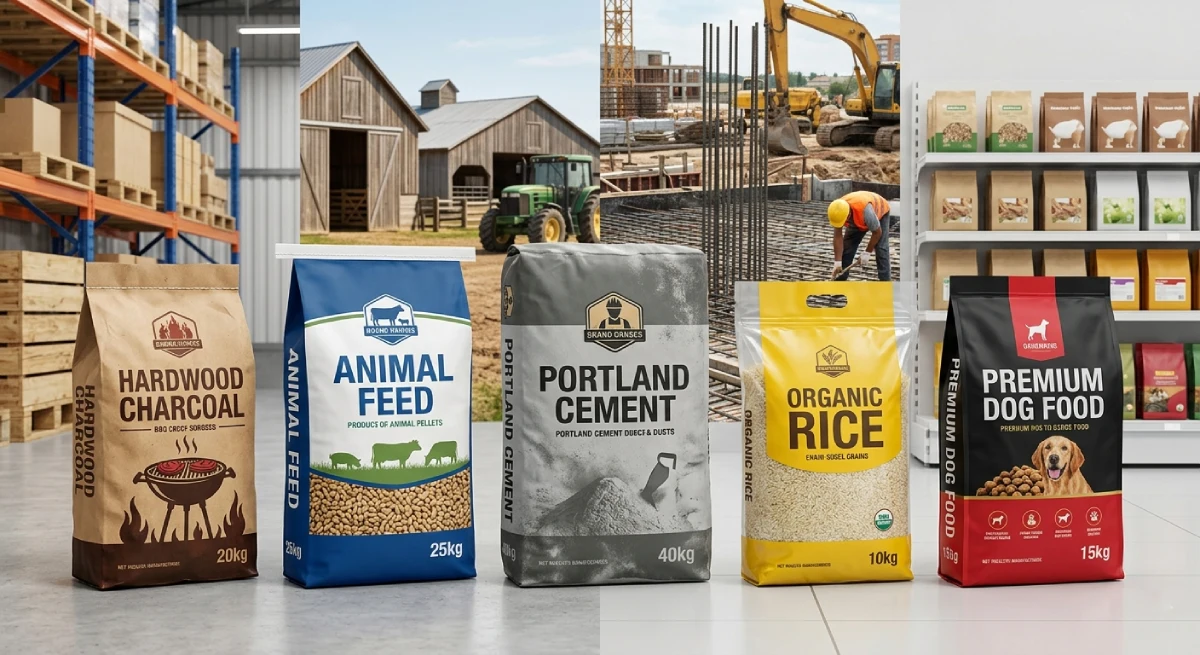
1. Chemicals and Fertilizers

In the chemical and fertilizer industry, packaging has to handle weight, abrasion, and sometimes moisture sensitivity. Materials like urea or industrial powders can be harsh on weaker packaging, especially during filling and transport.

Block bottom bags help address these challenges by maintaining structure during automated filling. Their reinforced build reduces the risk of tearing, while moisture barriers help protect sensitive contents. The upright design also supports faster, cleaner filling processes, which is important in high-volume operations.

2. Construction Materials

Construction materials such as cement, adhesives, and sand demand strong and reliable packaging. Traditional paper sacks often struggle under the weight and abrasiveness of these products.

Block bottom bags provide a more durable alternative. Their woven structure offers better resistance to punctures, while the square shape allows for stable stacking. This reduces the chances of bags collapsing or shifting during transport.

In practical terms, this means fewer damaged goods and more efficient pallet use. When bags stack neatly, loads stay balanced, and transportation becomes more predictable.

3. Food and Beverage

In food packaging, both function and appearance matter. Products like rice, flour, and coffee need protection from contamination and moisture, but they also need to look presentable on shelves.

Block bottom bags meet both needs. Their flat base allows them to stand upright, which improves shelf display. At the same time, the structured sides provide space for branding and product information.

From a handling perspective, the even weight distribution helps prevent crushing during stacking. When required, materials can also be selected to meet food safety standards, making them suitable for a wide range of food applications.

4. Agriculture and Animal Feed

Agricultural products often face challenging storage conditions, including humidity and outdoor exposure. Grains, seeds, and animal feed need packaging that can protect against moisture while handling mechanical stress from equipment.

Block bottom bags are well-suited for this environment. Their layered structure can include moisture-resistant features, helping keep contents dry. Strong seams allow the bags to withstand conveyor systems and bulk handling processes without failure.

Another advantage is traceability. The smooth outer surface supports clear printing, making it easier to include batch codes or product information that remains legible throughout distribution.

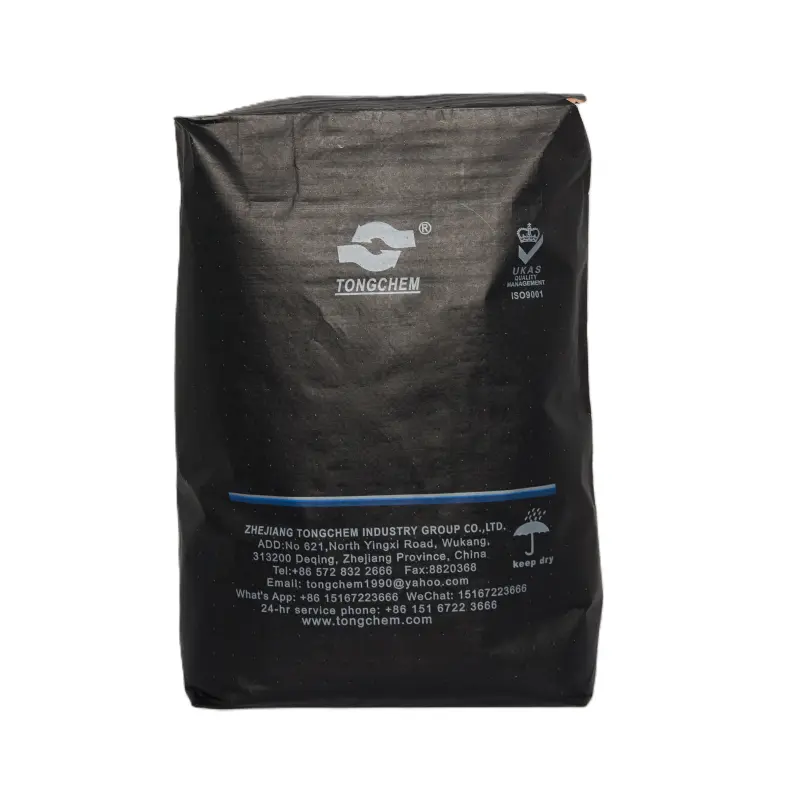
25kg 밸브 백

5. Retail and Logistics

In logistics and distribution, consistency is everything. Irregularly shaped packaging can slow down handling, create gaps in pallet loads, and complicate storage.

Block bottom bags solve these issues by maintaining a uniform shape. This makes them easier to stack in warehouses and more compatible with automated systems. The result is improved workflow, reduced handling time, and better use of storage space.

For companies managing large volumes, these small efficiencies can add up quickly, reducing labor demands and improving overall operational flow.

Why Structure Matters in Packaging

Across all these industries, the value of block bottom bags comes down to structure. A stable, square shape might seem like a minor detail, but it directly impacts how products move through the supply chain.

Better stacking reduces damage. Efficient pallet use lowers shipping costs. Strong materials protect contents from external factors. When these benefits are combined, packaging becomes more than just a container—it becomes part of the overall efficiency strategy.

Toward the sourcing stage, working with an experienced manufacturer can make a difference in achieving consistent quality.  XIFA 그룹 has decades of experience and established 생산 시스템, which are often better equipped to handle customization and large-scale requirements.

In the end, the right packaging choice is not just about holding a product—it’s about supporting it from production to delivery in the most reliable way possible.

자주 묻는 질문

How do block bottom bags improve filling efficiency?

They stand upright on their own, making them easier to position and fill using automated systems.

What is the typical load capacity?

Most designs carry around 25KG, but depending on materials and structure, they can support up to 50KG or more.

Are these bags moisture-resistant?

Yes. Many include BOPP lamination or PE liners to help protect contents from humidity and moisture exposure.

기사 공유
견적 요청
더 자세히 알고 싶으신가요?
지금 당장 저희에게 연락하세요!

지금 터치하세요

지금 터치하세요