
블로그

FIBC 재활용 및 재정비 과정: 재사용 백의 안전을 확보하는 방법

2026년 2월 27일 로이에 의해

Reusing bulk bags is possible and safe when the recycling and refurbishment steps are controlled from start to finish. The process includes inspection, cleaning, testing, and re-certification to confirm whether a bag can enter another usage cycle. 

This guide is to explain how reused bags stay safe, how the refurbishment process works, and how industries can manage risks at every stage. You will also learn what fibc reclamation means in practice and how traceability supports safer circulation.

What Is FIBC Reclamation?

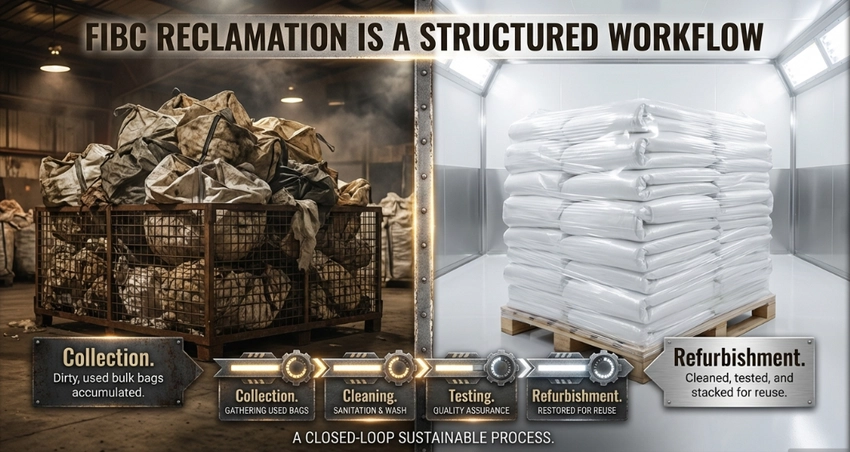
FIBC reclamation refers to the process of collecting used bulk bags, inspecting them, cleaning them, and preparing them for another safe cycle of use. It extends service life while keeping risks controlled. Below are the three takeaways:

  • It is a structured recovery and refurbishment workflow for used bags.
  • It includes washing, drying, repairing, and testing steps.
  • It is only suitable for bags that pass strict safety and material checks.

Why Industries Reuse and Refurbish Bulk Bags

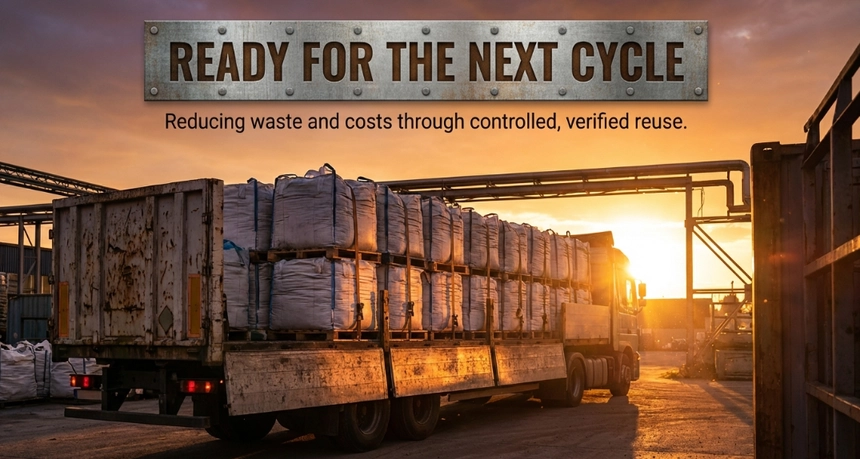
Many industries reduce waste and lower packaging costs by choosing refurbishment. Reuse also supports sustainability goals because polypropylene fabric can withstand multiple loading cycles when properly managed. However, not all bags qualify for reuse. Safety and traceability must guide every decision.

Businesses also explore China Recyclable PP Woven Bags and similar solutions when building closed-loop material systems.

The Complete FIBC Recycling and Refurbishment Workflow

Understanding what the fibc bulk bag refurbishment process is helps users see how safety is preserved. Each stage builds control into the next.

1. Bag Collection and Initial Sorting

Used bags come from storage, production plants, or field operations. Refurbishment providers place bags into categories:

  • Bags suitable for reuse
  • Bags that require repair
  • Bags that must be dismantled for material recycling

Bags that once carried chemicals, food powders, or hazardous products are checked more tightly. Some categories cannot be reused at all.

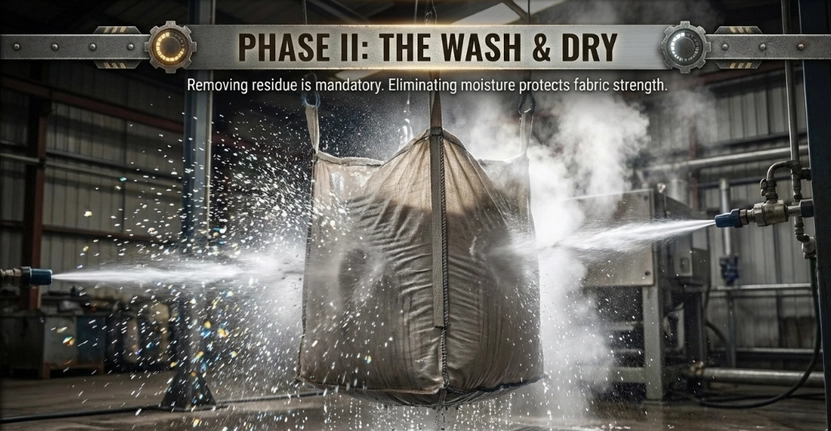
2. Cleaning, Washing, and Drying

Industrial washing systems remove dust, powders, and residues. In this stage, moisture content is critical. A damp bag can grow mold or weaken fabric. Drying must be complete before inspection.

Providers offering bulk bag fibc reclamation services use controlled washing methods to protect fabric strength.

3. Structural Inspection and Fabric Testing

Every reusable bag undergoes visual and mechanical checks. Teams inspect:

  • Lift loops
  • Seams and stitching
  • Inner liners
  • Coating layers and abrasion points

Polypropylene fibers age differently depending on sunlight, loads, and chemical exposure. Bags that fail tests move to 건축용 벌크백 재활용 programs or other material recovery channels.

4. Repair and Refurbishment

When damage is small, technicians repair seams, replace liners, or reinforce weak areas. Bags that pass are labeled as Fibcs refurbished, meaning they now qualify for limited reuse cycles.

Some industries also request bulk tote bag fibc reclamation when handling sand, aggregates, or agricultural products.

5. Load Testing and Certification

To ensure the bag can tolerate its Safe Working Load (SWL), refurbishment providers perform:

  • 낙하 테스트
  • Top-lift tests
  • UV exposure checks
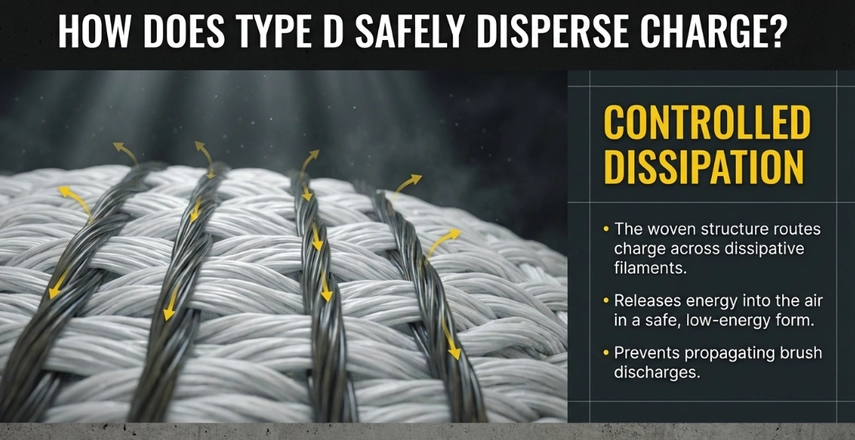
  • Static inspections

Only bags that pass the full checklist become refurbished fibc bulk bags ready for circulation.

6. Sorting, Labeling, and Re-Circulation

Once approved, each bag receives updated tracking information. Labels often include:

  • Batch number
  • Refurbishment date
  • Safety instructions
  • Use-cycle limits

This data helps users maintain compliance in industries with strict quality expectations.

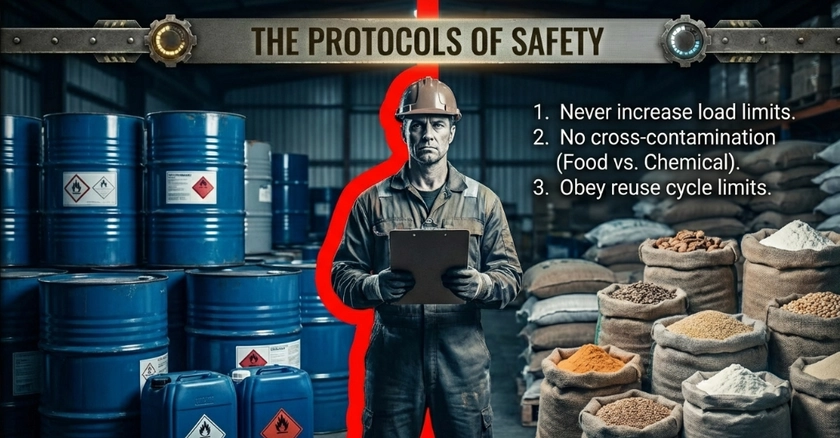
Safety Principles That Control Every Reuse Cycle

Even with strong refurbishment procedures, safety depends on discipline. Below are the major control points.

Load Limits Should Never Change

Refurbished bags do not regain full strength. Their SWL remains equal to or lower than the original rating. Operators must follow the limits printed on the label.

Never Reuse Bags Across Incompatible Industries

Food-grade applications cannot use bags that once carried chemicals. Builders cannot reuse bags that carried corrosive materials. Clear identification protects workers and products.

Bags Should Not Exceed Their Approved Reuse Cycles

Some programs allow one reuse. Others allow multiple cycles. But each bag must retire when reaching its limit.

This rule keeps fibc reclamation efficient and safe.

XIFA Group’s Role in Safe Packaging Systems

맞춤형 PP 직조 가방이 필요하신가요?

귀사의 제품, 크기 및 브랜딩 요구 사항에 정확히 맞춰진 완벽하고 견고한 포장 솔루션을 설계하십시오.

지금 맞춤 설정을 시작하세요

XIFA 그룹 plays an important role in safe packaging systems. XIFA is a manufacturer of FIBC bags, not a recycling service provider, but our bags still support safer reuse programs because they are produced with controlled processes and full traceability.

Each bag can include a variable QR code that shows its production batch, material origin, quality checkpoints, and process logs. This information helps users verify whether a bag is suitable for reuse, refurbishment, or entry into FIBC reclamation programs.

XIFA’s woven PP fabric is made through a monitored workflow that includes wire drawing, weaving, laminating, cutting, and sewing. This controlled system gives the fabric consistent strength, which is essential for evaluating reuse potential in fibc bulk bag reclamation and similar services. 

Traceability also improves decision-making by giving operators accurate data instead of visual estimates. With this information, they can determine if a bag should be reused, refurbished, recycled, or retired within bulk bag fibc reclamation services.

결론

Recycling and refurbishment help industries reduce waste, but safety comes from controlled inspection and traceability. XIFA supports these programs by providing strong, trackable.

packaging solutions built for predictable performance. If you want packaging that supports efficient reuse systems, explore our collection of FIBC and woven PP products.

자주 묻는 질문

What is FIBC reclamation?

It is the recovery, cleaning, testing, and preparation of used bulk bags for safe reuse.

대용량 가방은 몇 번이나 재사용할 수 있나요?

Reuse depends on fabric condition, UV exposure, and testing results. Some programs allow one cycle, while others allow several.

Can refurbished bags carry food?

Only if the bag remains in food-grade use from the beginning and passes hygiene checks.

What makes a bag unsafe for reuse?

Torn loops, fabric thinning, heavy staining, or past contact with hazardous materials.

Do all industries accept refurbished bags?

No. Many sectors require new bags because of strict product-safety regulations.

기사 공유
견적 요청
더 자세히 알고 싶으신가요?
지금 당장 저희에게 연락하세요!

지금 터치하세요

지금 터치하세요