

 작성자: Simin Xiang
대형 자루를 재사용하는 것은 재활용 및 재정비 과정을 처음부터 끝까지 철저히 관리할 경우 가능하고 안전합니다. 이 과정에는 검사, 세척, 테스트 및 재인증이 포함되어 자루가 재사용 주기에 들어갈 수 있는지 여부를 확인합니다.
이 가이드는 재사용 비닐봉투의 안전성 유지 방법, 재활용 과정, 그리고 업계에서 각 단계별 위험 관리 방안을 설명합니다. 또한, 실제 재활용 비닐봉투(fibc) 회수 과정과 추적 시스템이 안전한 유통을 지원하는 방식에 대해서도 알아볼 수 있습니다.
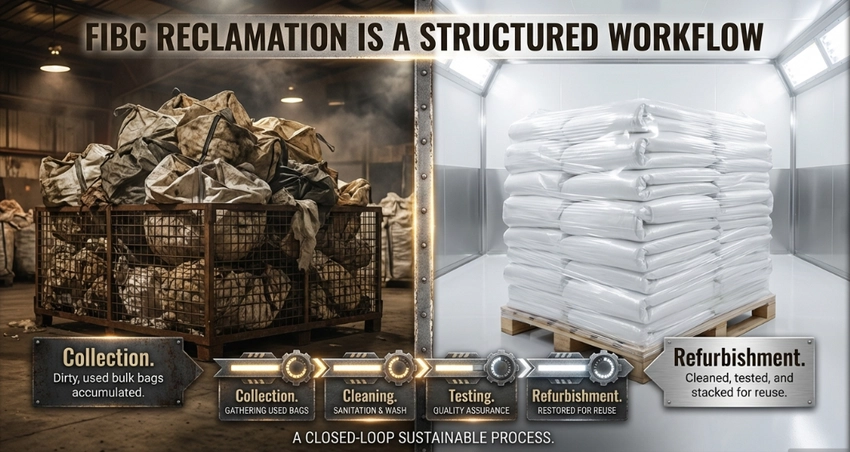
FIBC 재활용은 사용済み 벌크백을 수거하고, 검사하고, 세척하여 안전하게 재사용할 수 있도록 준비하는 과정을 말합니다. 이는 위험을 관리하면서 제품 수명을 연장합니다. 다음은 핵심 요점 세 가지입니다.
많은 산업 분야에서 재활용을 통해 폐기물을 줄이고 포장 비용을 절감합니다. 재사용은 폴리프로필렌 소재가 적절하게 관리될 경우 여러 번의 적재 과정을 견딜 수 있기 때문에 지속가능성 목표 달에도 도움이 됩니다. 하지만 모든 봉투가 재사용에 적합한 것은 아닙니다. 안전성과 추적성을 최우선으로 고려하여 결정해야 합니다.
기업들은 또한 다음과 같은 것들을 고려합니다. 중국산 재활용 PP 직조 백 폐쇄형 물질 시스템을 구축할 때에도 이와 유사한 해결책이 적용됩니다.
무엇을 이해하는가 FIBC 벌크백 재정비 과정 이는 사용자가 안전이 어떻게 유지되는지 이해하는 데 도움이 됩니다. 각 단계는 다음 단계로 이어지는 제어 기능을 제공합니다.
중고 자루는 보관소, 생산 공장 또는 현장 작업에서 나옵니다. 재활용 업체는 자루를 다음과 같은 범주로 분류합니다.
화학 물질, 식품 분말 또는 위험물을 담았던 봉투는 더욱 엄격하게 검사됩니다. 일부 종류의 봉투는 아예 재사용할 수 없습니다.
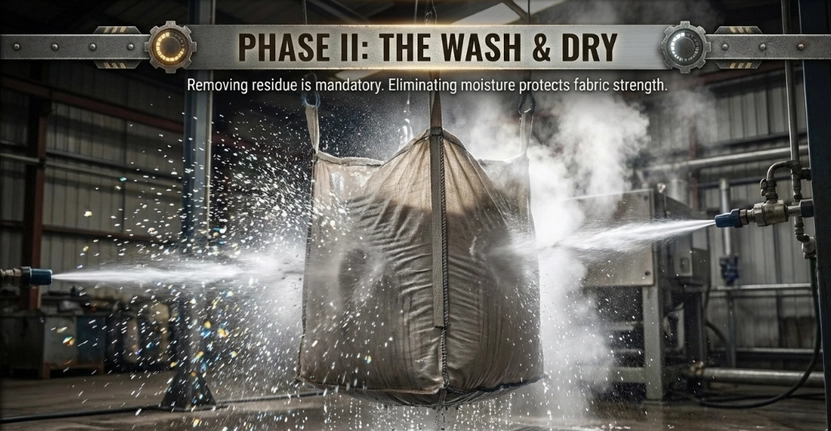
산업용 세척 시스템은 먼지, 분말 및 잔류물을 제거합니다. 이 단계에서 수분 함량은 매우 중요합니다. 습기가 있는 백은 곰팡이가 피거나 원단이 약해질 수 있습니다. 검사 전에 건조가 완료되어야 합니다.
벌크백 FIBC 재활용 서비스를 제공하는 업체는 원단 강도를 보호하기 위해 통제된 세척 방법을 사용합니다.
모든 재사용 가능 가방은 육안 및 기계적 검사를 거칩니다. 검사팀은 다음 사항을 검사합니다.
폴리프로필렌 섬유는 햇빛, 하중, 화학 물질 노출에 따라 노화 정도가 다릅니다. 테스트에 실패한 백은 다른 곳으로 옮겨집니다. 건축용 벌크백 재활용 프로그램 또는 기타 물질 회수 채널.
손상 정도가 경미한 경우, 기술자는 이음새를 수리하거나, 안감을 교체하거나, 약한 부분을 보강합니다. 수리를 통과한 봉투에는 'Fibcs 재정비 완료'라는 라벨이 부착되며, 이는 제한적인 재사용이 가능하다는 의미입니다.
일부 산업에서는 모래, 골재 또는 농산물을 취급할 때 벌크 토트백 FIBC 재활용을 요청하기도 합니다.
가방이 안전 작업 하중(SWL)을 견딜 수 있도록 하기 위해 재정비 업체는 다음과 같은 작업을 수행합니다.
모든 체크리스트를 통과한 가방만 허용됩니다. 재정비된 FIBC 벌크 백 배포 준비 완료.
승인이 완료되면 각 가방에는 업데이트된 추적 정보가 전송됩니다. 라벨에는 일반적으로 다음 내용이 포함됩니다.
이 데이터는 사용자가 엄격한 품질 기준을 요구하는 산업 분야에서 규정을 준수하는 데 도움이 됩니다.
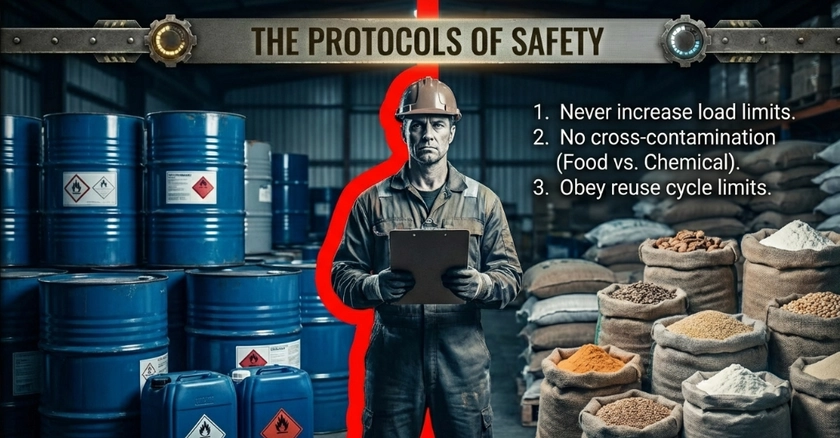
철저한 보수 절차가 있더라도 안전은 규율에 달려 있습니다. 주요 점검 사항은 다음과 같습니다.
재생된 백은 원래 강도를 완전히 회복하지 못합니다. 안전 작업 하중(SWL)은 원래 등급과 같거나 그 이하입니다. 작업자는 라벨에 인쇄된 제한 사항을 준수해야 합니다.
식품 용도로는 이전에 화학 물질을 담았던 봉투를 사용할 수 없습니다. 건설 현장에서는 부식성 물질을 담았던 봉투를 재사용할 수 없습니다. 내용물을 명확하게 식별하여 작업자와 제품을 보호해야 합니다.
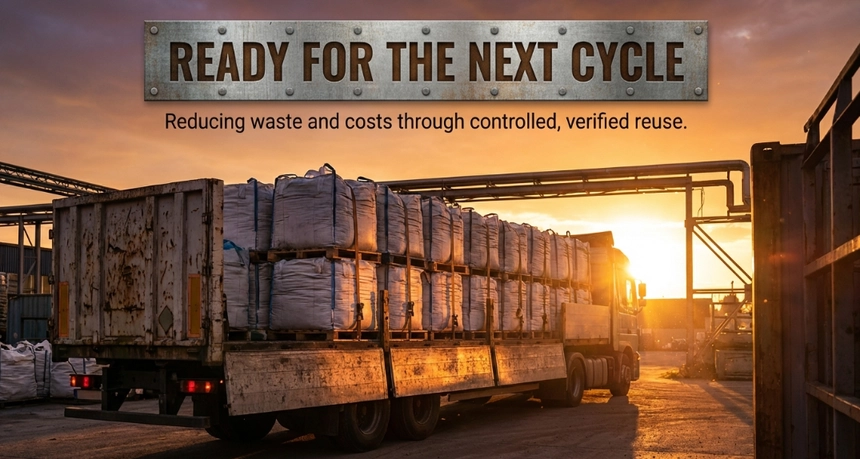
일부 프로그램은 1회 재사용을 허용하고, 다른 프로그램은 여러 번 재사용을 허용합니다. 하지만 모든 봉투는 사용 횟수 제한에 도달하면 폐기해야 합니다.
이 규칙은 fibc 회수 작업을 효율적이고 안전하게 유지하는 데 도움이 됩니다.
XIFA 그룹 안전한 포장 시스템에서 중요한 역할을 합니다. XIFA는 FIBC 백 제조업체이지 재활용 서비스 제공업체는 아니지만, 당사의 백은 엄격한 공정 관리와 완벽한 추적성을 통해 생산되므로 더욱 안전한 재사용 프로그램을 지원합니다.
각 백에는 생산 배치, 재료 원산지, 품질 검사 지점 및 공정 기록을 보여주는 가변 QR 코드가 포함될 수 있습니다. 이 정보는 사용자가 백이 재사용, 재정비 또는 FIBC 재활용 프로그램 참여에 적합한지 여부를 확인하는 데 도움이 됩니다.
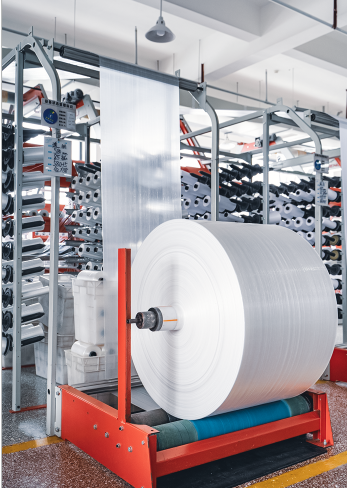
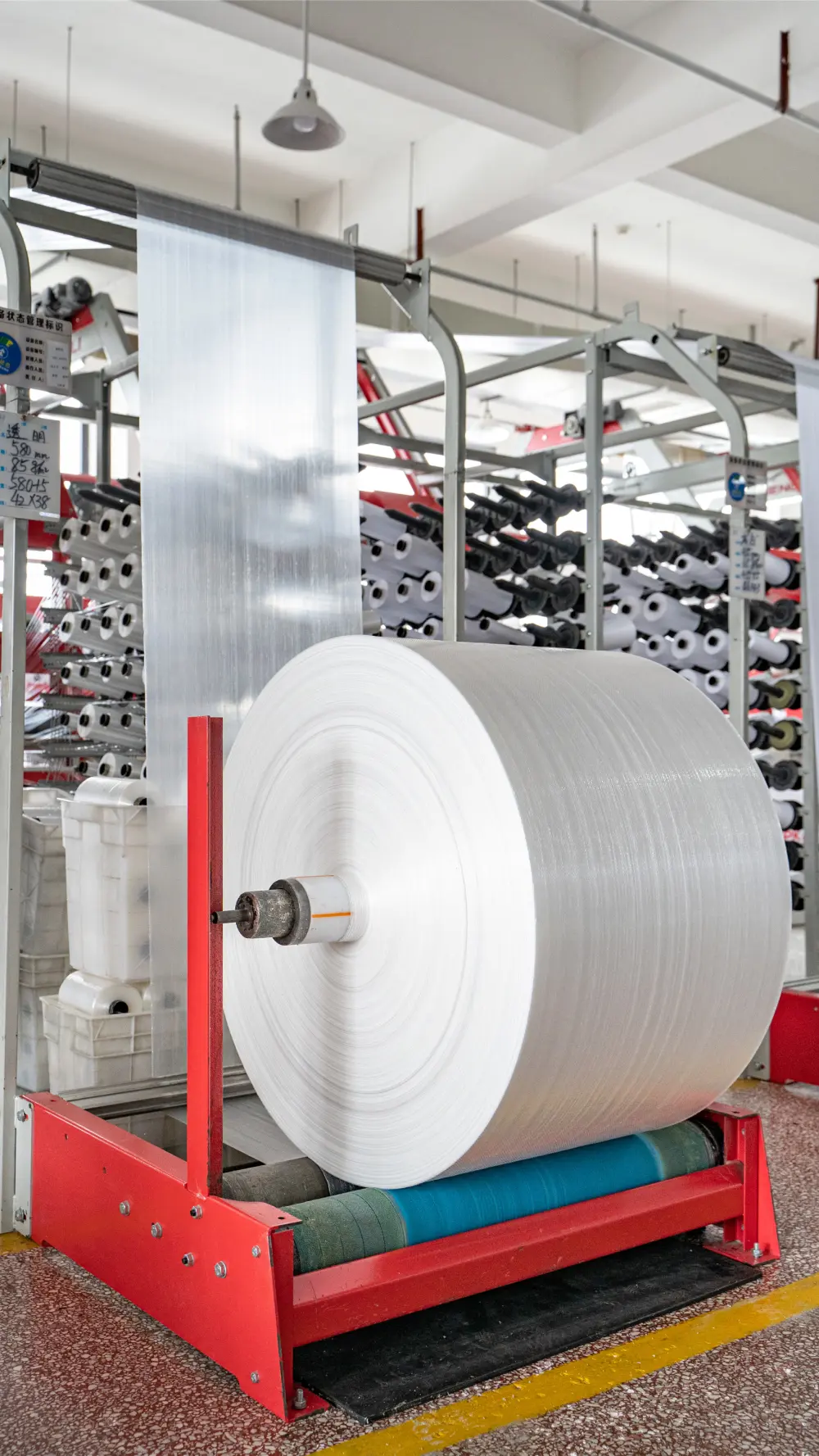
XIFA의 직조 PP 원단은 와이어 드로잉, 직조, 라미네이팅, 절단 및 봉제를 포함하는 엄격한 공정 관리를 통해 생산됩니다. 이러한 통제된 시스템 덕분에 원단은 일관된 강도를 유지하며, 이는 FIBC 벌크 백 재활용 및 유사 서비스에서 재사용 가능성을 평가하는 데 필수적입니다.
추적성은 작업자에게 시각적 추정 대신 정확한 데이터를 제공함으로써 의사 결정 능력을 향상시킵니다. 이러한 정보를 통해 작업자는 벌크 백(FIBC) 회수 서비스 내에서 백을 재사용, 재정비, 재활용 또는 폐기할지 여부를 결정할 수 있습니다.
재활용 및 재정비는 산업체의 폐기물 감소에 도움이 되지만, 안전은 통제된 검사와 추적성을 통해 확보됩니다. XIFA는 강력하고 추적 가능한 서비스를 제공함으로써 이러한 프로그램을 지원합니다.
예측 가능한 성능을 위해 설계된 포장 솔루션. 효율적인 재사용 시스템을 지원하는 포장을 원하신다면, 저희 제품을 살펴보세요. FIBC 및 직조 PP 제품 모음.
이는 사용済み 벌크백을 회수, 세척, 테스트 및 안전하게 재사용할 수 있도록 준비하는 과정입니다.
재사용 가능 여부는 원단 상태, 자외선 노출 정도 및 테스트 결과에 따라 달라집니다. 일부 프로그램은 한 번만 재사용을 허용하지만, 다른 프로그램은 여러 번 재사용을 허용합니다.
봉투가 처음부터 식품 등급 용도로 사용되고 위생 검사를 통과하는 경우에만 가능합니다.
고리가 찢어졌거나, 원단이 얇아졌거나, 심하게 오염되었거나, 유해 물질과 접촉한 이력이 있는 경우.
아니요. 많은 산업 분야에서 엄격한 제품 안전 규정 때문에 새로운 포장재가 필요합니다.