



 작성자: Simin Xiang
FIBC 백이 필수적인 경우, 적합한 공급업체를 선택하는 것은 매우 중요합니다. FIBC 대형 가방또는 귀사의 운영에 필요한 FIBC 벌크 백을 찾고 계십니까? 태국은 이러한 제품의 강력한 제조 허브로 자리 잡았으며, 여러 기업이 생산 규모, 수출 역량 및 기술력에서 두각을 나타내고 있습니다.
이 글에서는 태국의 주요 5대 FIBC(대형 컨테이너 박스) 제조업체에 대한 명확한 개요와 각 업체가 제공하는 제품 및 서비스, 그리고 태국 시장에서 제품을 구매할 때 기대할 수 있는 사항들을 소개합니다. 또한 XIFA 그룹과 같은 현대적인 공급업체들이 어떻게 완벽한 맞춤 제작과 엄격한 품질 관리를 통해 글로벌 표준의 포장재를 제공하는지 알아보실 수 있습니다.
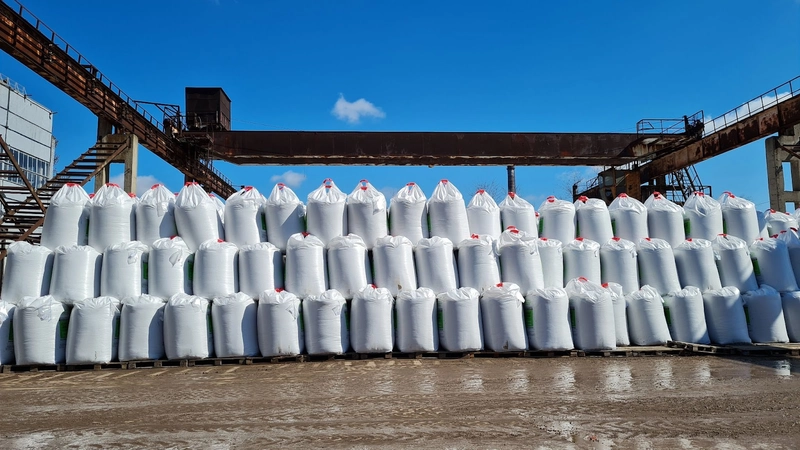
| 계급 | 제조업체 | 주요 강점 | 생산 규모 |
| 1 | 스리텝타이 그룹 | 대형 플라스틱 및 산업용 포장 그룹 | 다수의 공장을 통한 다각화된 생산 |
| 2 | 타이포르모사 플라스틱 산업 | 기술 섬유 분야에서 30년 이상의 경력 | OEM, 반제품 |
| 3 | 시암 플렉스 팩 | FIBC 및 점보 백에 대한 강력한 집중 | 연간 2,000,000대 |
| 4 | 롱진백 태국 | 농업 포장 전문가 | 20년 이상 제조 경력 |
| 5 | 퍼시픽 컨테이너백(PacCon) | 초기 FIBC 개척자 | 연간 2,400,000대 |
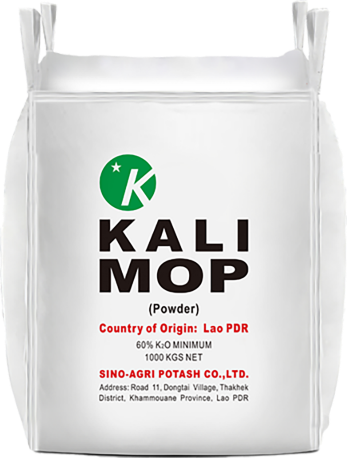
스리텝타이 그룹은 1971년부터 플라스틱 분야에서 활동해 왔으며, 이후 FIBC 백 및 관련 자재를 포함한 산업용 포장재 분야로 사업을 확장했습니다. 그룹의 시설에서는 수축 필름, 산업용 비닐봉투, 직조 포장재 및 소비재를 생산합니다. 또한 플라스틱 수지를 수입하여 자재 품질을 철저하게 관리하고 있습니다.
그들이 눈에 띄는 이유는 무엇일까요?

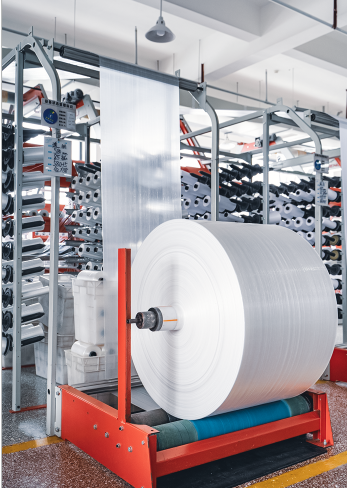
타이포르모사는 기능성 섬유 전문 기업으로 30년 이상 글로벌 및 국내 브랜드에 제품을 공급해 왔습니다. 타이포르모사는 FIBC 백뿐만 아니라 다양한 직조 및 섬유 제품을 생산합니다. 관형 직물웨빙과 재봉사는 FIBC에 사용되는 주요 구성 요소입니다. 점보 백.
그들이 눈에 띄는 이유는 무엇일까요?
시암 플렉스 팩(Siam Flex Pack)은 태국에서 가장 잘 알려진 FIBC(대형 컨테이너 박스) 전문 제조업체 중 하나입니다. 1993년에 설립된 이 회사는 정전기 방지 백, UN 인증 백, 슬링 백 등 다양한 FIBC 제품을 수출하고 있습니다. ISO 인증 시스템을 기반으로 연간 200만 개의 제품을 생산합니다.
그들이 눈에 띄는 이유는 무엇일까요?

롱진백 태국은 20년 경력을 바탕으로 직조 폴리프로필렌 백과 FIBC 빅백을 생산합니다. 비료, 쌀, 밀가루, 얼음, 설탕 등 농산물 포장재에 널리 사용되는 직조 PP 및 FIBC 제품을 공급하고 있습니다.
그들이 눈에 띄는 이유는 무엇일까요?

PacCon은 1989년에 대형 컨테이너(FIBC) 시장에 진출했으며 등록 상표로 잘 알려져 있습니다. 이 회사는 연간 최대 240만 개의 점보 백을 생산하며 방콕 인근의 나바나콘 산업 단지에서 사업을 운영하고 있습니다.
그들이 눈에 띄는 이유는 무엇일까요?
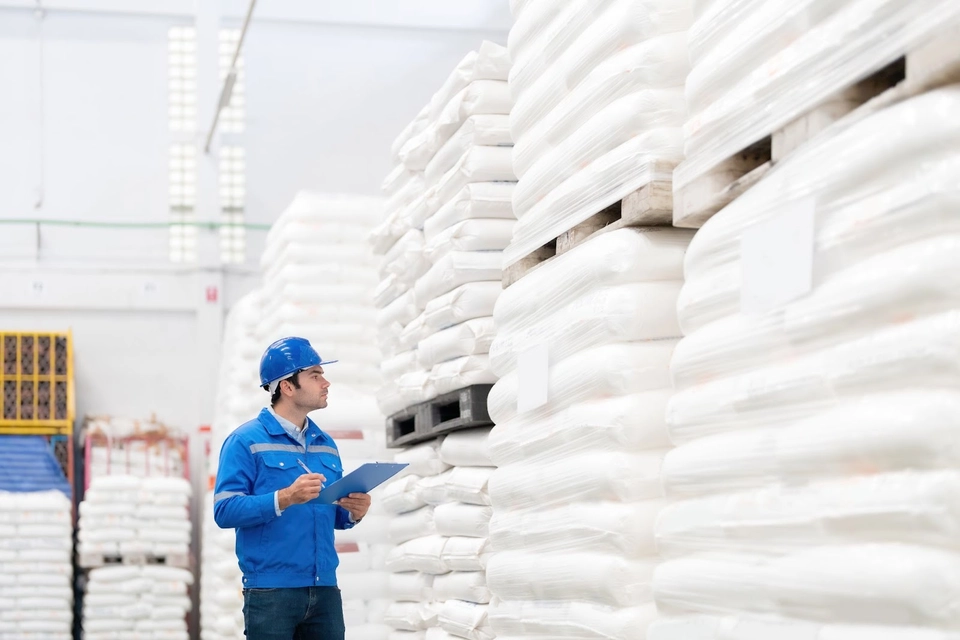
태국의 FIBC(대형 컨테이너 박스) 제조 산업은 풍부한 폴리프로필렌 공급, 수십 년간 축적된 섬유 산업 경험, 그리고 수출 지향적인 시설 덕분에 유리한 위치에 있습니다. 많은 공급업체들이 ISO 지침을 준수하며 농업, 화학, 건설 산업에 제품을 공급하고 있습니다.
하지만 모든 공장이 고급 맞춤 제작, 샘플 보관 시스템 또는 디지털 품질 추적 기능을 제공하는 것은 아닙니다. 이러한 기능은 글로벌 구매자들이 점점 더 기대하는 요소입니다. 바로 이 부분에서 XIFA 그룹은 차별화된 지원을 제공합니다.
태국은 신뢰할 수 있는 선택지를 제공하지만, 많은 기업들은 전문적인 서비스를 제공하는 해외 공급업체와도 협력합니다. XIFA 그룹은 세계적인 제조 표준을 준수하여 직조 PP 백, BOPP 라미네이트 백, FIBC 백, PE 필름 백을 제공합니다.
XIFA를 차별화하는 요소는 무엇일까요?
1. 전 공정 품질 관리
XIFA는 원자재 테스트, 현장 점검, 샘플링, 독립적인 품질 관리팀을 포함한 6단계 검사 시스템을 사용합니다. 이 시스템은 BRCGS 표준을 준수하며, 모든 포장에는 완벽한 추적성을 위한 고유한 QR 코드가 포함되어 있습니다.
2. 샘플 보존 및 고객별 프로필
모든 고객에게는 전용 사용 프로필이 제공되며, 반복 주문 시 일관성을 유지하기 위해 샘플이 보관됩니다.
3. 사용자 지정 색상, 두께 및 레이아웃
XIFA는 가방 크기부터 인쇄, PE 라이너, 구조 조정 및 색상 매칭에 이르기까지 맞춤 제작 서비스를 제공합니다. 또한 연구 개발팀이 개발 전반에 걸쳐 고객을 지원합니다.
4. 현대 디지털 관리
이 공장은 ERP 및 MES 시스템을 사용하여 생산을 추적하고 유연한 일정 관리를 지원합니다. 작업장에는 고속 직기, 지능형 인쇄 시스템 및 자동 재봉 라인이 갖춰져 있습니다.
5. 글로벌 진출
XIFA는 전 세계 400개 이상의 고객사를 대상으로 대규모 및 소규모 주문 모두를 지원합니다. XIFA의 워크플로는 대규모 포장 프로젝트에 최적화되어 있습니다.
태국은 직조 포장재 및 FIBC(대형 컨테이너 박스) 제품 소싱에 있어 다양한 선택지를 제공합니다. Srithepthai, Thaiformosa, Siam Flex Pack, Longjin Bag Thailand, PacCon과 같은 기업들은 풍부한 경험, 규모, 그리고 기술적 유연성을 갖추고 있습니다. 디자인, 중량, 인쇄, 품질 관리 등을 더욱 세밀하게 제어하고 싶다면 XIFA Group의 FIBC 백 및 포장 솔루션 컬렉션을 살펴보세요. XIFA Group은 완벽한 공정 품질 관리 시스템, 맞춤 제작 지원, 그리고 글로벌 서비스를 통해 고객의 요구에 정확히 맞는 포장재를 손쉽게 제작할 수 있도록 지원합니다.
1. FIBC 백이란 무엇입니까?
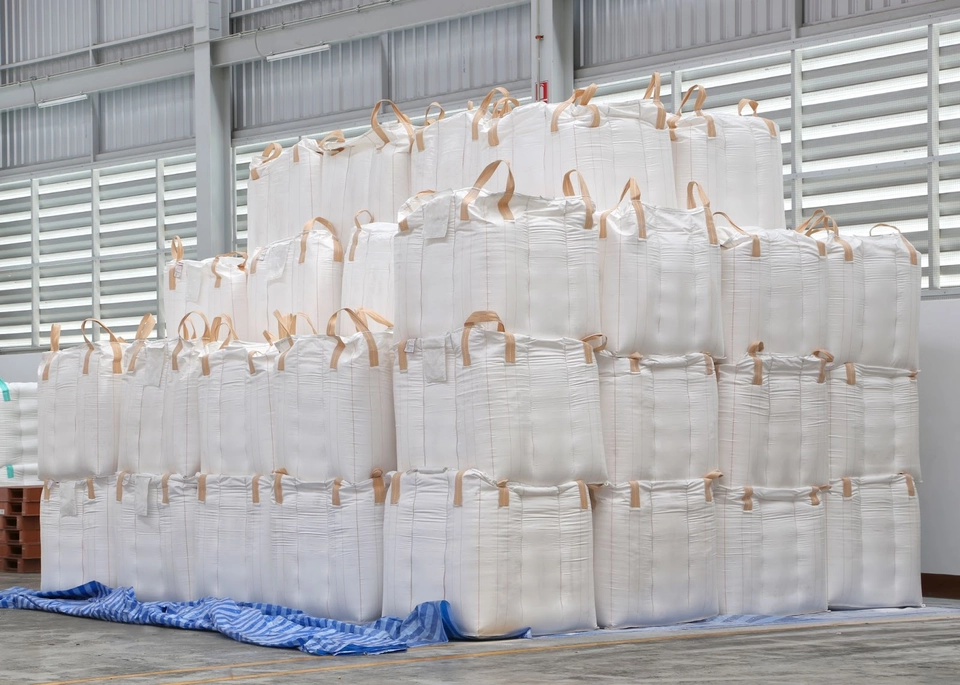
곡물, 화학 물질, 광물과 같은 대량 상품을 저장하고 운송하는 데 사용되는 대형 직조 폴리프로필렌 용기입니다.
2. 어떤 산업 분야에서 FIBC 백을 사용하나요?
농업, 화학, 건설, 광업 및 식품 분야에서 흔히 사용됩니다.
3. FIBC 백은 재사용 가능한가요?
일부는 일회용이지만, 안전 등급과 취급 방법에 따라 여러 번 사용할 수 있도록 설계된 제품도 있습니다.
4. FIBC 백은 얼마나 튼튼한가요?
이 제품들은 디자인, 바느질 방식, 원단 무게에 따라 500~2,000kg의 하중을 견딜 수 있습니다.
5. FIBC 백은 맞춤 제작이 가능한가요?
네. 많은 공급업체에서 맞춤 사이즈, 인쇄, 고리, 안감, 색상 등을 제공합니다.