

 par Roy
A silt fence is a temporary barrier that helps prevent sediment from leaving a construction site and entering natural waterways. This guide explains the technical specifications of silt fencing and why companies, like XIFA, use woven polypropylene geotextile fabric as an ideal material for environmental protection.
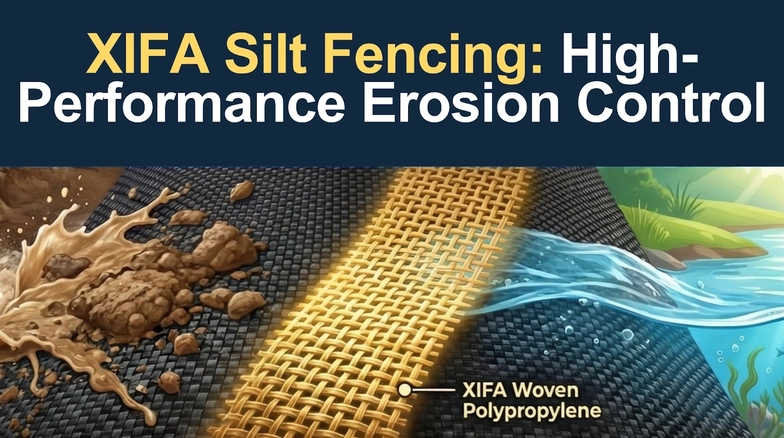
A silt fence is a non-permanent barrier made of geotextile fabric, anchored firmly into the ground. It is installed along the perimeter of a site to catch sediment before it flows into local water systems. This silt fence for erosion control prevents mud from clogging storm drains and damaging natural habitats.
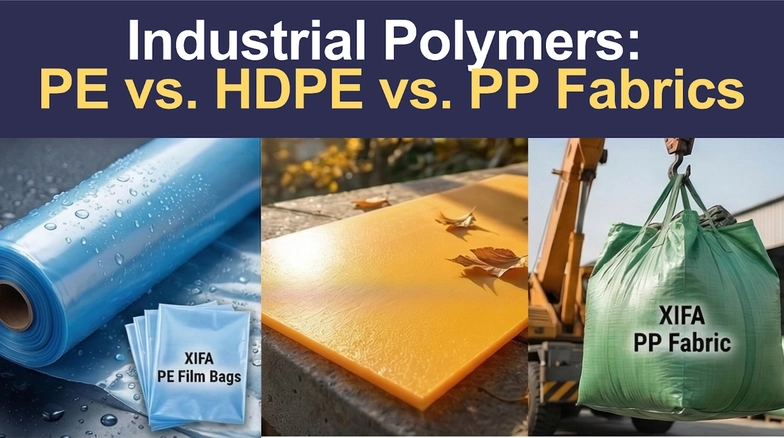
The fabric used in the silt barrier is often made from synthetic materials like HDPE or woven polypropylene fabric because of their durability and ability to filter out particles. The fabric silt fence is installed on stakes and anchored by burying its bottom edge in a trench to prevent soil from passing underneath.
XIFA uses tissu géotextile en polypropylène tissé for silt fences thanks to its superior strength, durability, and filtration capability. It traps sediment while allowing water passage, is tear-resistant even under soil pressure and harsh weather, and is lightweight, which makes installation easy while ensuring long-term performance on construction and erosion control sites.
The primary purpose of a silt fence is to protect the environment by controlling soil erosion and preventing sediment from entering nearby water sources. This sediment fencing is often seen in construction sites or areas where the soil has been disturbed. It acts as a barrier and helps stop loose soil and debris from being carried away by rainwater.
The silt barrier helps protect local rivers, streams, and lakes, as well as the organisms that live with it—like fish and plants—from pollution caused by sediment runoff. Additionally, by keeping the soil in place, slit fence helps maintain the landscape and minimize the risks of flooding, making it essential for erosion control and protecting the ecosystem.
Silt fences do not come in one size, but rather depend on the job. The following are the common types you will encounter.
| Types | Key Features | Best Use Cases |
| Pre-Fabricated Silt Fencing | Ready-to-install with fabric attached to stakes; quick and easy setup. | Small construction sites and temporary erosion control. |
| Wire-Backed Silt Fencing | Reinforced with wire mesh for added strength and durability. | Large projects, heavy rainfall areas, and high runoff zones. |
| Synthetic Mesh Silt Fencing | Lightweight woven plastic mesh; allows water flow while retaining soil. | Moderate rainfall areas and sandy or fine soil conditions. |
Before installing the sediment fence, ensure to assess the site first and create a comprehensive plan. What is the lay of the land? Where is the water likely to flow when it rains? These will help you know the ideal path for your fence without causing water to pool dangerously.
Moreover, a silt fence needs regular maintenance to stay functional. After heavy rain, inspect it for sediment buildup, sagging fabric, or leaning stakes, and make necessary repairs. If the sediment reaches about half the fence height, remove it immediately to prevent overflow and maintain efficient performance.
A silt fence is important for any construction project, helping contractors effectively manage runoff and meet environmental standards. Understanding its purpose and selecting the right silt fence material guarantees long-term site stability while protecting our water resources from construction-related pollution.
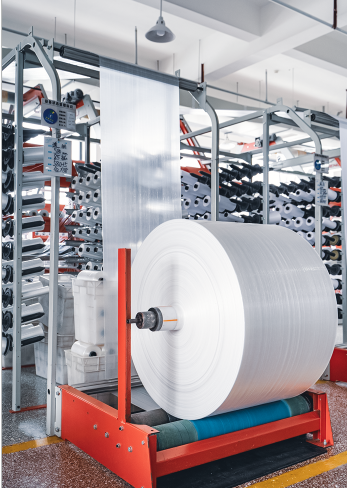
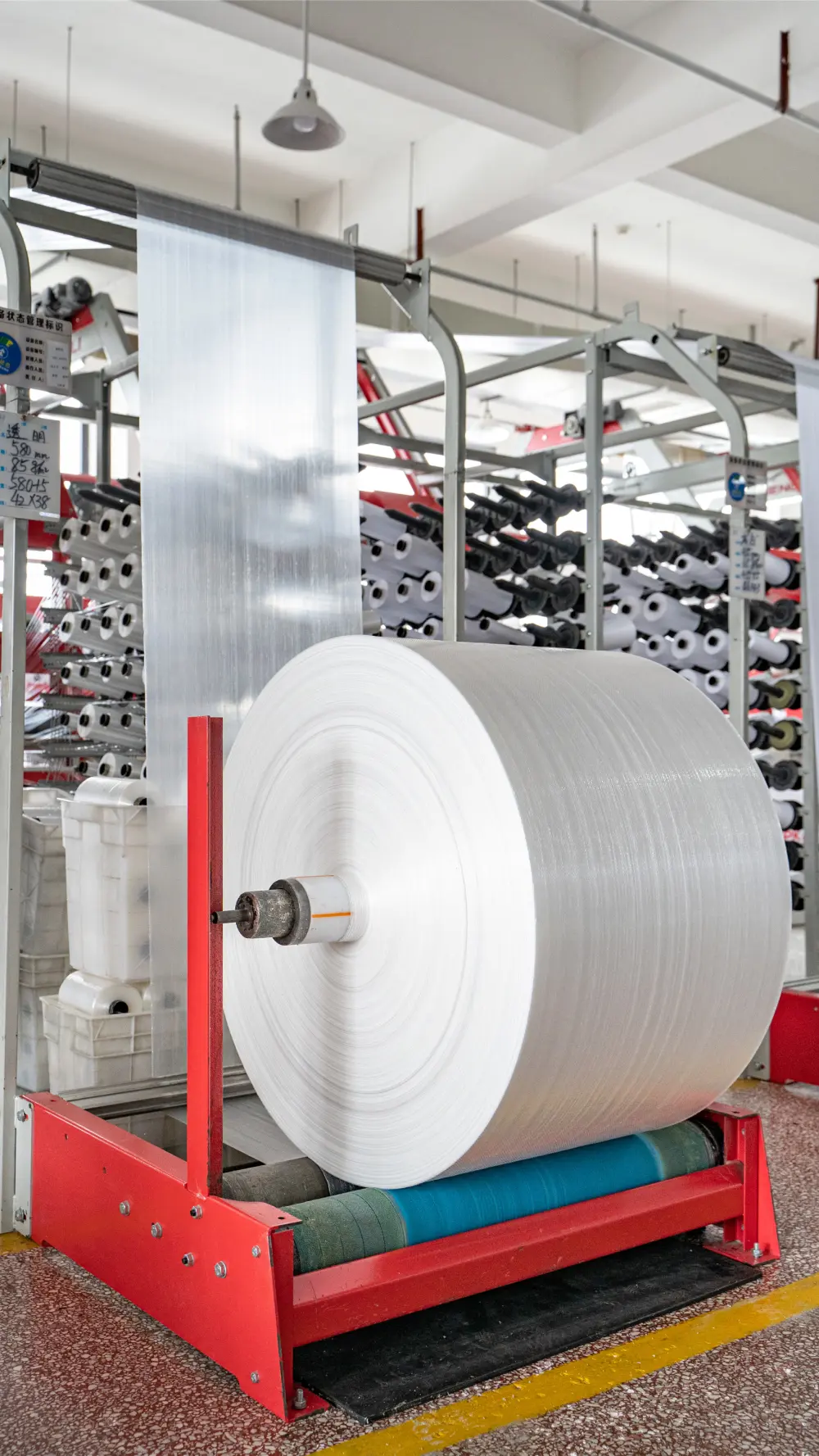
XIFA uses polypropylène tissé geotextile fabric for silt fences produced using circular looms to ensure consistent permeability and durability for construction and industrial fields. Though known for packaging, these are also used as materials in erosion control and soil stabilization. At XIFA, we ensure that every roll meets the strength requirements for demanding field settings.