



 par Simin Xiang
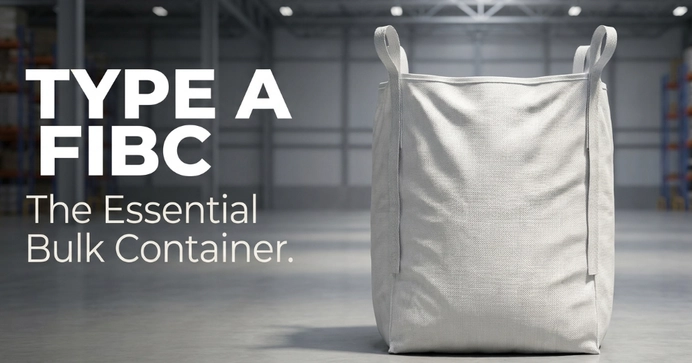
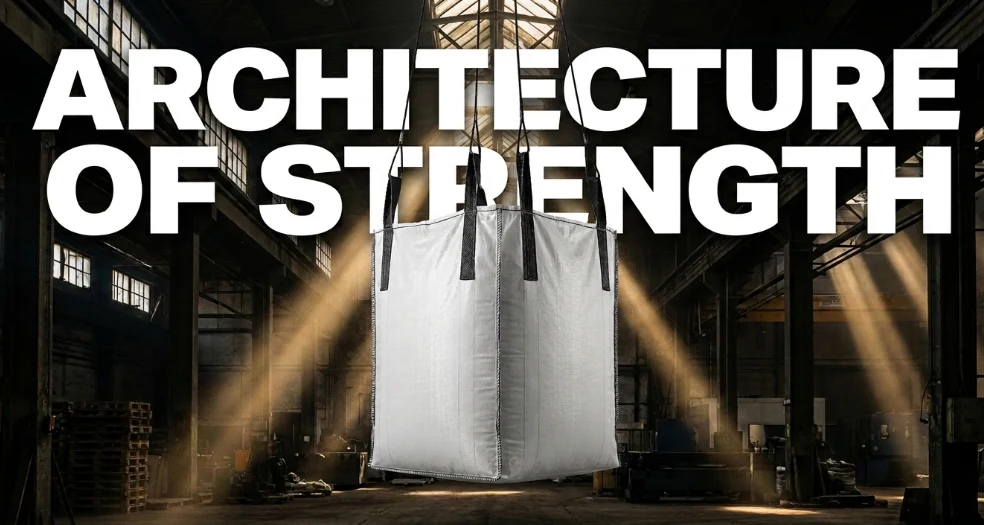
Un sac FIBC de type A est un conteneur souple pour vrac, fabriqué en polypropylène tissé simple sans protection antistatique. C'est l'option de sac en vrac la plus économique, adaptée uniquement aux produits non inflammables dans des environnements exempts de gaz, de vapeurs ou de poussières inflammables.
Ce guide explique comment sont fabriqués les sacs de type A, quelles spécifications les acheteurs doivent examiner, dans quels cas ils fonctionnent le mieux et quand ils ne doivent pas être utilisés.
Ce conteneur en vrac d'entrée de gamme est tissé en polypropylène standard. Il ne possède aucune caractéristique particulière pour contrôler ou dissiper l'électricité statique. De par sa conception simple, le sac de type A est l'option d'entrée de gamme de la famille des GRVS (Grands Récipients pour Vrac Souples) et le choix le plus économique pour de nombreux produits secs et non dangereux.
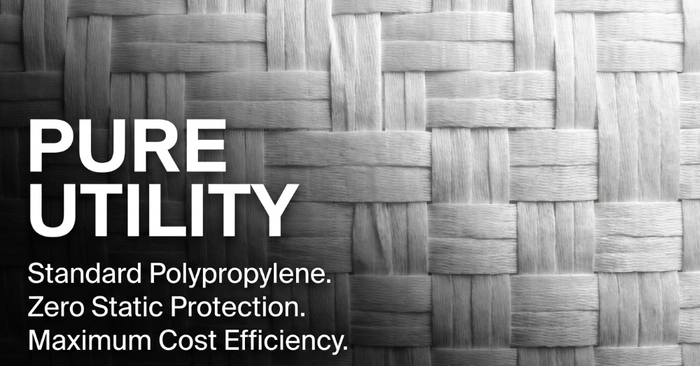
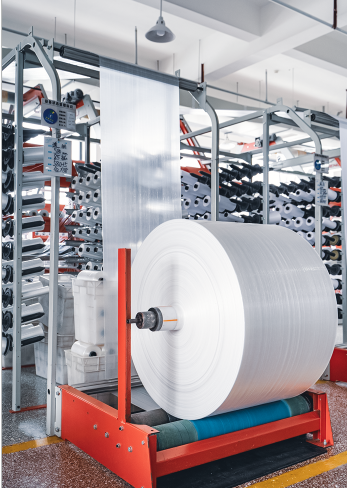
Les sacs de type A sont fabriqués en tissant des rubans de polypropylène pour obtenir un tissu résistant et souple. Ce tissu peut être enduit pour créer une barrière contre l'humidité ou laissé non enduit pour favoriser la respirabilité. Des poignées de levage, des goulottes de remplissage et de vidange standard sont ajoutées en fonction du mode de remplissage et de vidange du sac. Aucun fil conducteur ou antistatique n'est utilisé dans le tissage.
Lors du remplissage et de la vidange, les poudres fines circulant dans un sac peuvent accumuler de l'électricité statique. Les sacs de type A ne permettent pas de dissiper cette charge en toute sécurité. Si une étincelle statique se produit à proximité de matériaux inflammables ou dans une atmosphère combustible, elle pourrait provoquer une inflammation. C'est pourquoi les sacs de type A doivent être utilisés uniquement avec des produits non inflammables et dans des environnements non dangereux.
Le tableau ci-dessous présente les spécifications typiques pour ce type de produit. Les valeurs exactes varient selon la commande et l'application.
| Paramètre | Spécifications typiques |
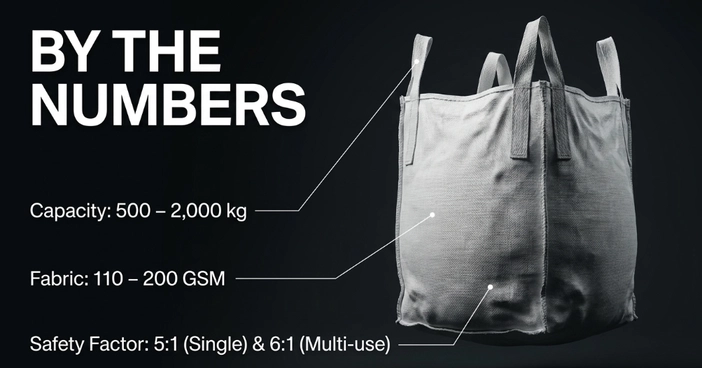
| Poids du tissu | 110–200 GSM (grammes par mètre carré) |
| Charge de travail sécuritaire (SWL) | 500 kg – 2 000 kg |
| Facteur de sécurité (FS) | 5:1 (usage unique) ou 6:1 (usage multiple) |
| Construction | Panneau en U, circulaire, 4 panneaux, déflecteur |
| Revêtement | Avec revêtement (barrière contre l'humidité) ou sans revêtement (respirant) |
| Doublure | Doublure en PE optionnelle pour les poudres fines ou les produits sensibles à l'humidité |
Le coefficient de sécurité indique la marge de résistance testée par rapport à la charge nominale du sac. Par exemple, un coefficient de sécurité de 5:1 signifie que le sac est testé à cinq fois sa charge nominale dans des conditions contrôlées.
Les sacs de type A conviennent parfaitement aux produits secs et ininflammables manipulés dans des environnements sécurisés. Utilisations courantes :
N’utilisez pas de sacs de type A lorsque :
Exemple de cas réel : Un fournisseur de matériaux de construction livrant du sable et du gravier secs sur les chantiers peut utiliser sans risque des sacs de type A. Le matériau est ininflammable et le chantier ne présente pas d'atmosphère combustible. En revanche, une usine chimique manipulant des poudres de résine inflammables à proximité de vapeurs de solvants aurait besoin de sacs de type C ou D pour prévenir tout risque d'inflammation.
La principale raison est le coût. Les sacs de type A utilisent les matériaux et la construction les plus simples, ce qui en fait l'option GRVS la plus abordable. Pour les acheteurs qui transportent de gros volumes de matériaux secs et sûrs, cela permet de maîtriser les coûts d'emballage sans sacrifier la capacité de chargement.
Le tableau ci-dessous compare les quatre types de GRVS :
| Taper | Protection statique | Idéal pour | Coût relatif |
| Type A | Aucun | Produits ininflammables, environnements sûrs | Le plus bas |
| Type B | Empêche les décharges des balais (tissu à faible tension de claquage) | Poudres inflammables sèches, absence d'atmosphère inflammable | Faible |
| Type C | Conducteur, doit être mis à la terre | Produits inflammables et/ou atmosphères inflammables | Plus haut |
| Type D | Antistatique, aucune mise à la terre nécessaire | Produits inflammables et/ou atmosphères inflammables | Le plus haut |
Choisissez le type A si votre matériau est ininflammable et que votre environnement de manipulation est exempt de gaz inflammables et de poussières combustibles. En cas de risque d'inflammation, utilisez un sac de type B, C ou D.

Les sacs de type A sont un choix pratique lorsque le produit est sec, ininflammable et manipulé dans un environnement non dangereux. Ils permettent de maîtriser les coûts grâce à une conception simplifiée, des spécifications flexibles et une logistique de vrac efficace.
Groupe XIFA Nous fabriquons des emballages, notamment des sacs en polypropylène (PP), en polypropylène renforcé de fibres (BOPP), des big bags (FIBC) et des sacs en film polyéthylène (PE). Depuis 1998, nous accompagnons les industriels dans leurs projets d'emballage sur mesure et leur production à grande échelle. Nos installations comprennent 72 000 m² d'ateliers, plus de 800 employés, un système de traçabilité par QR code et les certifications ISO 9001, ISO 14001, ISO 45001 et BRCGS pour nos opérations.
Explorez notre Tissu PP, Grand sac FIBC, et nos capacités pages permettant de comparer les structures disponibles et les options de personnalisation.
Ils sont utilisés pour les matériaux en vrac secs et ininflammables dans des environnements non dangereux, tels que le sable, le gravier et certaines matières premières inertes.
Non. Elles sont fabriquées en polypropylène non conducteur et ne dissipent pas les charges électrostatiques de manière sûre.
Non. Ils ne doivent pas être utilisés en présence de matières inflammables, de vapeurs, de gaz ou de poussières combustibles.
Ils coûtent généralement moins cher que les GRVS antistatiques car leur tissu et leur construction sont plus simples.