



 por Simin Xiang
Las bolsas de envasado de cemento adecuadas combinan permeabilidad al aire, resistencia al estallido y facilidad de manipulación para que las líneas de llenado automáticas funcionen sin interrupciones. Esta guía le muestra cómo adaptar el diseño de la bolsa a su velocidad de llenado, condiciones de almacenamiento y rutas de transporte. Aprenderá cómo la permeabilidad y la resistencia al estallido influyen en el tiempo de inactividad y cómo especificar bolsas que protejan cada kilogramo.
El cemento es un polvo fino y abrasivo que atrapa el aire y absorbe la humedad. Por lo tanto, el diseño de la bolsa debe solucionar ambos problemas a la vez.
Durante el llenado, el aire debe escapar rápidamente para que la bolsa se llene herméticamente. Durante el almacenamiento, debe evitarse la humedad para prevenir el apelmazamiento. Estas dos necesidades actúan en direcciones opuestas, por lo que el envasado del cemento es una decisión de ingeniería crucial.
Muchos equipos eligen las bolsas basándose únicamente en el precio unitario. Luego, terminan pagando más debido a derrames, palés rechazados y paradas en la línea de producción. Una bolsa barata que se rompe durante el empaquetado anula el ahorro en un solo turno.
La permeabilidad controla la rapidez con la que el aire atrapado sale de la bolsa durante el llenado. En los sistemas de alta velocidad, determina directamente la cantidad de bolsas por minuto.
En las empacadoras rotativas como los sistemas HAVER & BOECKER, el cemento entra a presión en segundos. El tejido o las microperforaciones deben ventilar ese aire rápidamente. Si el aire queda atrapado, los pesos se desvían, los sensores registran lecturas erróneas y la máquina se ralentiza.
Una ventilación insuficiente provoca sacos blandos e inestables y rechazos con sobrepeso. Una ventilación excesiva permite la salida de polvo y favorece la entrada de humedad posteriormente. Las especificaciones de los sacos de cemento deben ajustar la densidad del tejido y la ubicación de las perforaciones al flujo de aire de la compactadora.
Estuche pequeño: Una planta de mortero seco aumentó su producción en aproximadamente 6 paquetes por minuto tras ajustar el patrón de perforación para que coincidiera con la desaireación del compactador. No fue necesario realizar ningún cambio en la máquina.
Cada bolsa rota detiene la línea de producción, activa la limpieza y distorsiona los registros de peso. La tasa de roturas es el vínculo más claro entre la calidad de las bolsas y el costo del tiempo de inactividad.
Las fallas suelen comenzar en la válvula, las costuras o las zonas de tejido delgado. Las caídas por impacto, las pilas altas y la manipulación con montacargas aumentan la tensión. Para soportar estas cargas, las bolsas de cemento de alta resistencia requieren cinta adhesiva, densidad de trama y gramaje del tejido compatibles.
El tiempo de inactividad no se limita a las bolsas perdidas. Incluye minutos de línea perdidos, pérdidas por barrido y errores de conciliación. La siguiente tabla muestra cómo se acumulan las pequeñas reducciones puntuales.
| Tasa de ráfaga | Maletas perdidas por cada 100.000 | Paradas de la línea (est.) | Principal factor determinante del costo |
| 1.0% | 1,000 | Alto | Limpieza + tiempo de inactividad |
| 0.5% | 500 | Medio | Retrabajo + reclamaciones |
| 0.2% | 200 | Bajo | Derrota por barrida menor |
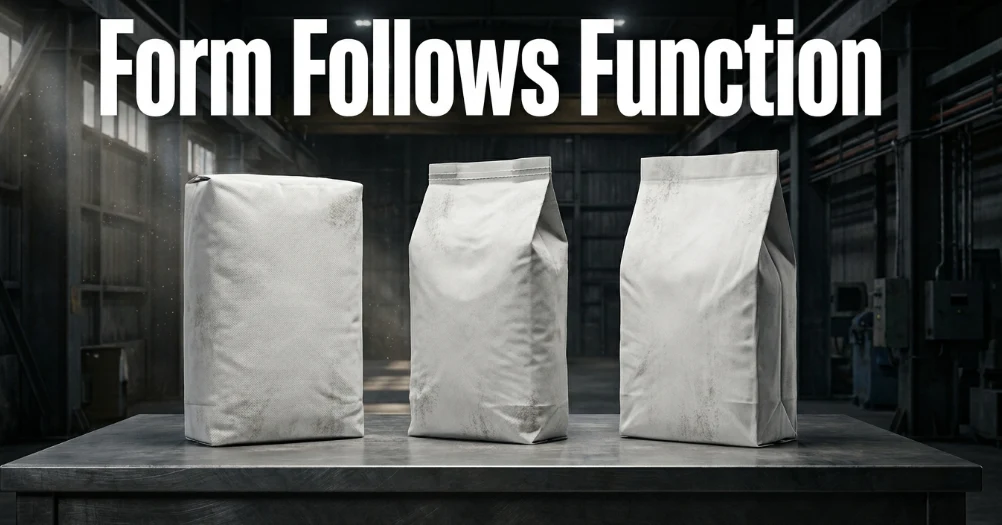
El formato óptimo depende del método de llenado, la altura de la pila y el tamaño del camión. Adapte la bolsa a la línea, no al revés.
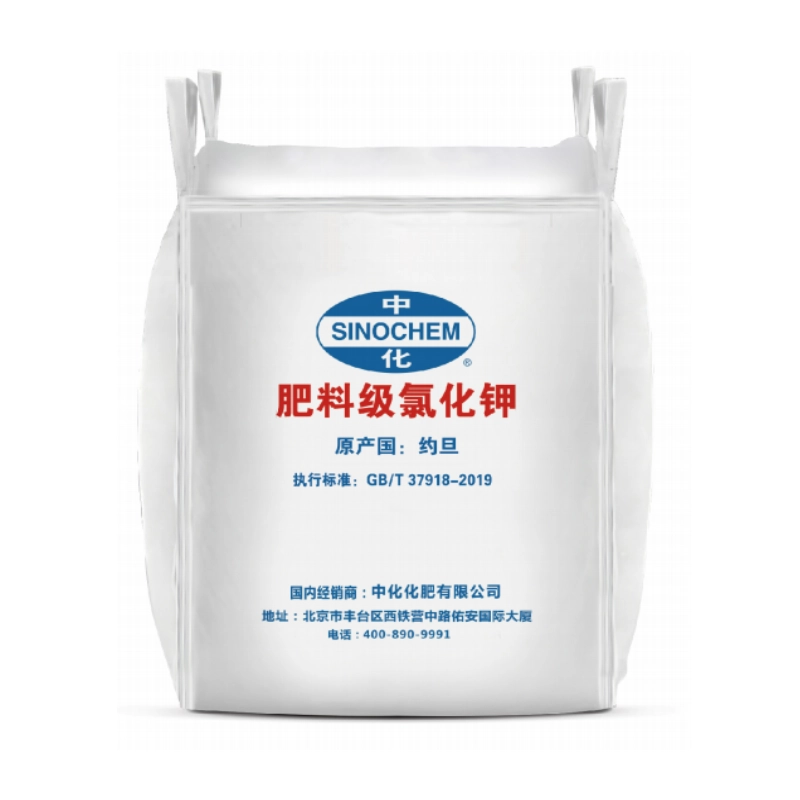
Bolsas con válvula de fondo bloque Permiten el apilamiento en cuadrícula y un llenado automatizado rápido. Las bolsas con fondo pellizcado son ideales para el llenado de boca completa con un cierre hermético. Los diseños con fuelle optimizan el espacio que ocupa el camión y reducen el consumo de film.
Para zonas costeras o monzónicas, agregue laminación o un Revestimiento de película de PEEsto bloquea el vapor, mientras que la ventilación controlada permite la salida del aire. Las buenas soluciones de cemento logran un equilibrio entre ambos aspectos a lo largo de los días de rotación de existencias habituales.
Las bolsas planas, cuadradas y uniformes forman palés estables que resisten largos trayectos. Las ventajas en la manipulación comienzan con el control de las dimensiones.
El tamaño uniforme de las bolsas evita que se deformen los bordes. Los revestimientos antideslizantes facilitan la transferencia por cinta y el apilamiento de palés. Alinee las dimensiones de los palés con las de la carrocería de su camión para evitar que sobresalgan y se produzcan daños durante el transporte.
Realice pruebas de caída, compresión por carga superior y comprobaciones de rotura en todos los lotes. Añada códigos QR para la trazabilidad durante las auditorías. Estas medidas protegen el rendimiento de los sacos de cemento industrial ante las fluctuaciones estacionales de humedad.
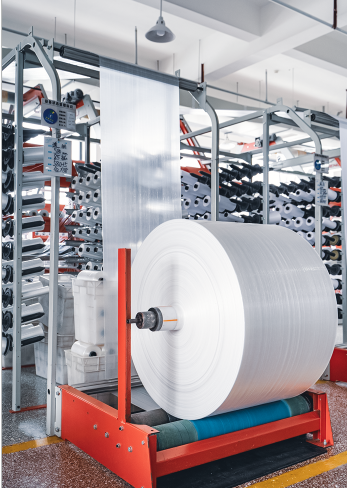
El Grupo XIFA ha producido embalaje tejido Desde 1998, respaldada por una amplia base de producción y más de 800 trabajadores cualificados, la empresa exporta a más de 28 países y presta servicios a más de 400 clientes, entre los que se incluyen grandes empresas.
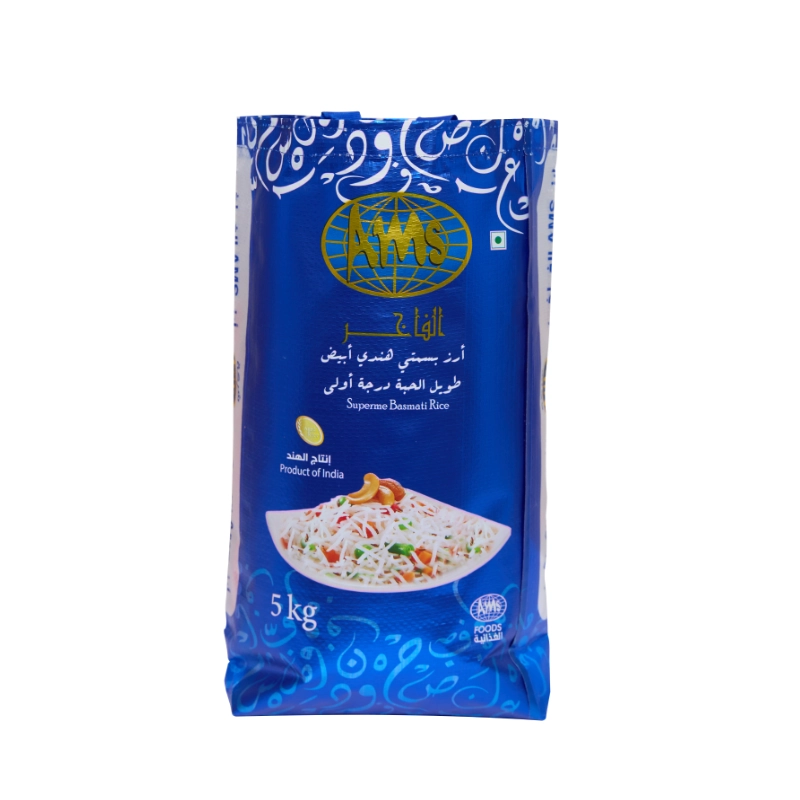
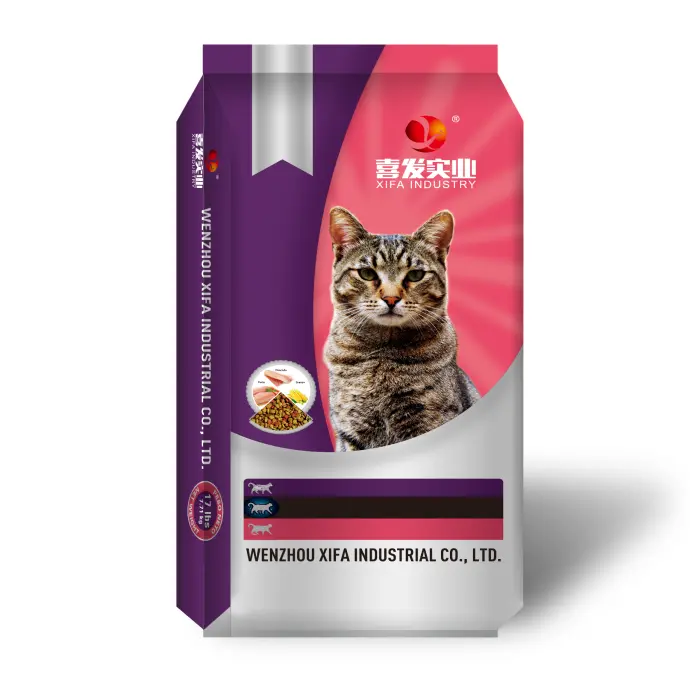
Las líneas de productos incluyen Tejido PP, Bolsas BOPPBolsas FIBC Big Bags y bolsas de película de PE. Las certificaciones incluyen ISO9001, ISO14001, OHSAS18001 y BRCGS para uso alimentario, con trazabilidad mediante código QR en toda la producción. Estas bolsas son aptas para aplicaciones en la construcción, la industria química, la agricultura y la alimentaria.
Las mejores bolsas para envasar cemento se prueban en la línea de producción del cliente, no se seleccionan únicamente de un catálogo. Explora la colección de envases de XIFA Group. y analizar las especificaciones del ensayo.
Una bolsa con válvula y ventilación adaptada al flujo de aire de su empacadora reduce al máximo el tiempo de inactividad. La permeabilidad correcta mantiene los pesos estables y evita que la máquina se ralentice por la presencia de aire atrapado.
Ajuste el peso de la tela, el denier de la cinta y la densidad de trama a las cargas de manipulación. Refuerce las zonas de válvulas y costuras, y luego realice pruebas de caída y rotura por lote.
Un revestimiento es útil en condiciones de humedad, zonas costeras o para almacenamiento prolongado. Bloquea la humedad, mientras que la ventilación controlada permite la salida del aire durante el llenado.
Sí. Las bolsas cuadradas y uniformes permiten crear palés estables y optimizan el espacio que ocupa el camión. Esto reduce el uso de film, el exceso de material y las entregas rechazadas.