



 by Simin Xiang
Choosing the right BBQ charcoal bags isn’t just about packaging; it directly affects how your product performs from storage to the final grilling experience. If you’ve dealt with torn bags, damp charcoal, or unstable stacking during transport, you already know how small packaging issues can turn into bigger operational problems.
This guide focuses on what actually matters when selecting charcoal packaging, from sizing and structure to moisture protection and print quality. The aim is to help you make practical decisions that reduce risk while improving both logistics and customer satisfaction.
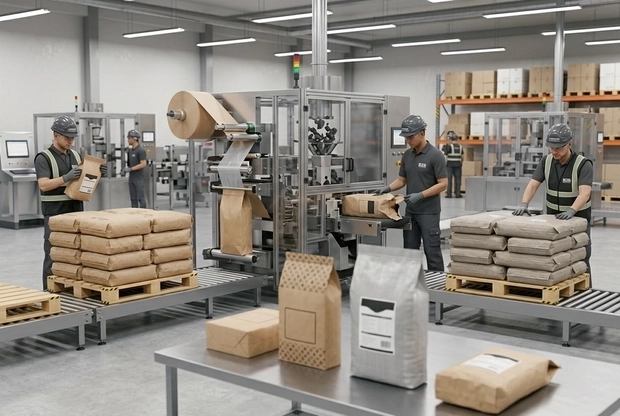
At first glance, a charcoal bag looks simple. In reality, it has to handle sharp edges, shifting weight, and changing storage conditions. Charcoal is brittle and uneven, which means the bag needs to do more than just hold it—it must protect it throughout the supply chain.
Sizing plays a critical role here. Bags that are too large allow charcoal to shift during transport, increasing the chance of breakage. Bags that are too tight can strain at the seams and tear under pressure. Over time, these issues can lead to product loss and unnecessary returns.
A well-sized bag creates balance. It keeps the contents stable, stacks efficiently, and reduces stress on the material. For businesses managing large volumes, this kind of consistency helps operations run more smoothly.
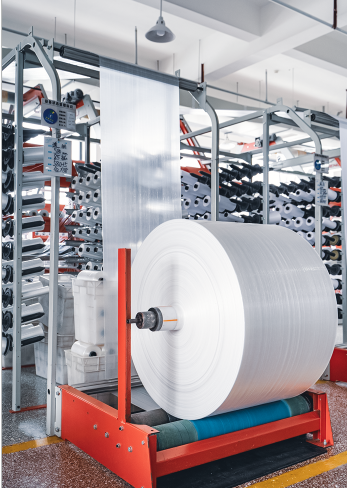
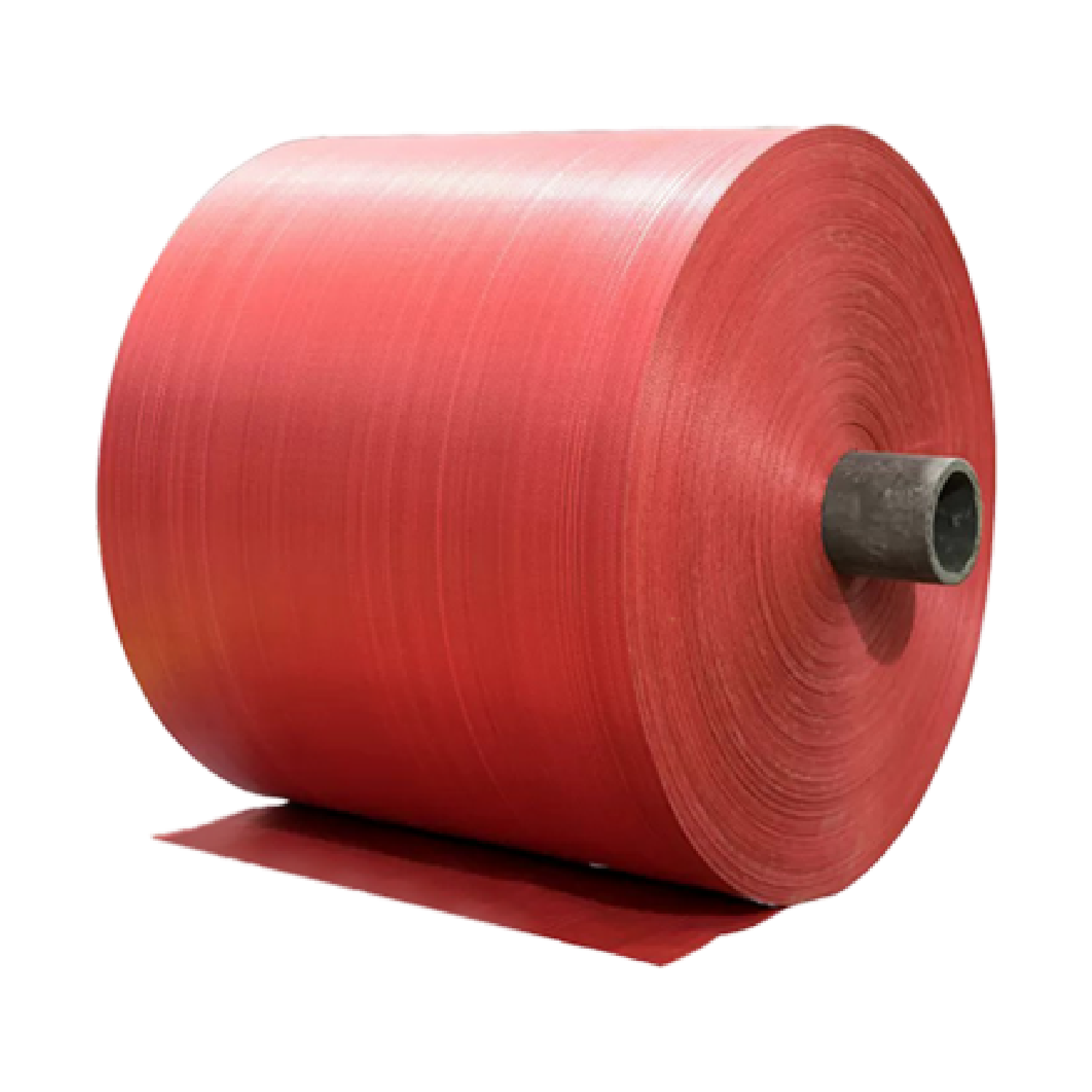
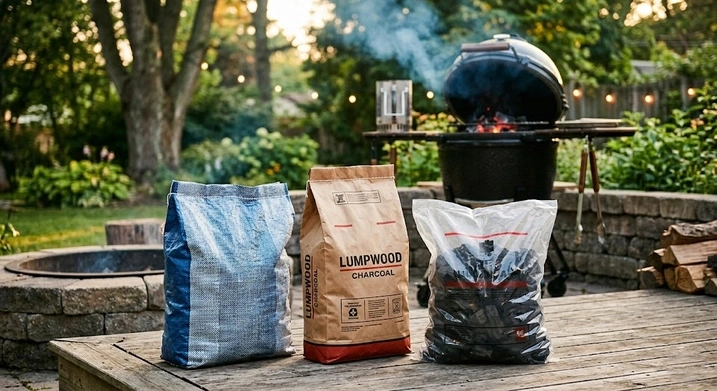
Most durable BBQ charcoal bags are made from woven polypropylene, or PP. This material is widely used because it combines strength with flexibility, making it resistant to tearing even when holding jagged charcoal pieces.
To improve performance, many bags include an outer laminated layer made from BOPP (biaxially oriented polypropylene). This layer helps protect against moisture while also creating a smoother surface for printing. The result is packaging that performs well during transport and looks clean on retail shelves.
This layered structure is especially useful for products that need to move through different environments, from warehouses to outdoor displays, without compromising quality.
Even with strong materials, packaging can fail if production quality varies. Inconsistent stitching, uneven sizing, or material differences can disrupt logistics and create avoidable complications.
Facilities that rely on automated cutting and sewing tend to produce more consistent results. Uniform stitching reduces the risk of seam failure, while precise cutting ensures every bag meets the same specifications. For buyers handling large shipments, this level of consistency is essential.
Certifications and audits also play a role. They don’t guarantee perfect outcomes, but they do show that processes are being monitored and maintained according to recognized standards.
In retail settings, packaging does more than protect—it shapes perception. A well-designed charcoal bag can influence buying decisions without drawing attention to itself.
Print quality is a big part of this. Techniques like gravure printing allow for sharp, detailed graphics that remain intact even after handling. Colors stay consistent, and branding remains clear, helping products stand out without looking overdone.
The physical feel of the bag also matters. A sturdy, well-made package suggests quality, while weak or flimsy packaging can create doubt—even if the charcoal inside is good. These small signals often affect customer trust more than expected.
Moisture is one of the most common challenges in charcoal storage. Even a small amount of humidity can make charcoal harder to light, leading to a frustrating experience for users. This is why many bags include added protection, such as polyethylene liners or coated inner layers.
These features are especially useful in humid climates or outdoor retail environments where exposure is harder to control. Without proper protection, even high-quality charcoal can underperform.
Some products also use “light-the-bag” designs, allowing the entire bag to be ignited along with the charcoal. This simplifies the grilling process and removes the need for lighter fluid. While not essential, it adds convenience that many consumers appreciate.
There’s no one-size-fits-all solution when it comes to BBQ charcoal bags. The right choice depends on how the product will be stored, transported, and sold. Some buyers prioritize durability for long-distance shipping, while others focus on shelf presentation.
The key is finding a balance. A good bag should protect the product, support efficient logistics, and present it in a way that aligns with customer expectations.
In the end, effective packaging does more than hold charcoal—it supports the entire product journey. From reducing damage during transport to improving the user experience, the right bag quietly contributes to better outcomes at every stage.
A small barbecue usually uses 1–2 bags, while larger gatherings may require 3–5 or more, depending on grill size and cooking time.
Most are made from woven polypropylene (PP), often with a BOPP outer layer for moisture protection and improved print quality. Some also include PE liners for added durability.
The main types are lump charcoal for high heat, briquettes for steady burning, and infused charcoal for specific flavor profiles.