



 by Simin Xiang
Shipping UN 1361 charcoal requires careful handling and strict compliance with hazardous material rules. These regulations are designed to prevent fire risks during transport. This guide explains what those rules mean and how to choose the right BBQ charcoal bags for safe shipping.
Charcoal is classified as a hazardous material because it can heat up on its own. This makes packaging a critical safety factor. Whether you are using bulk bags of charcoal for BBQ or smaller BBQ bags of charcoal, the materials and design must meet safety standards.
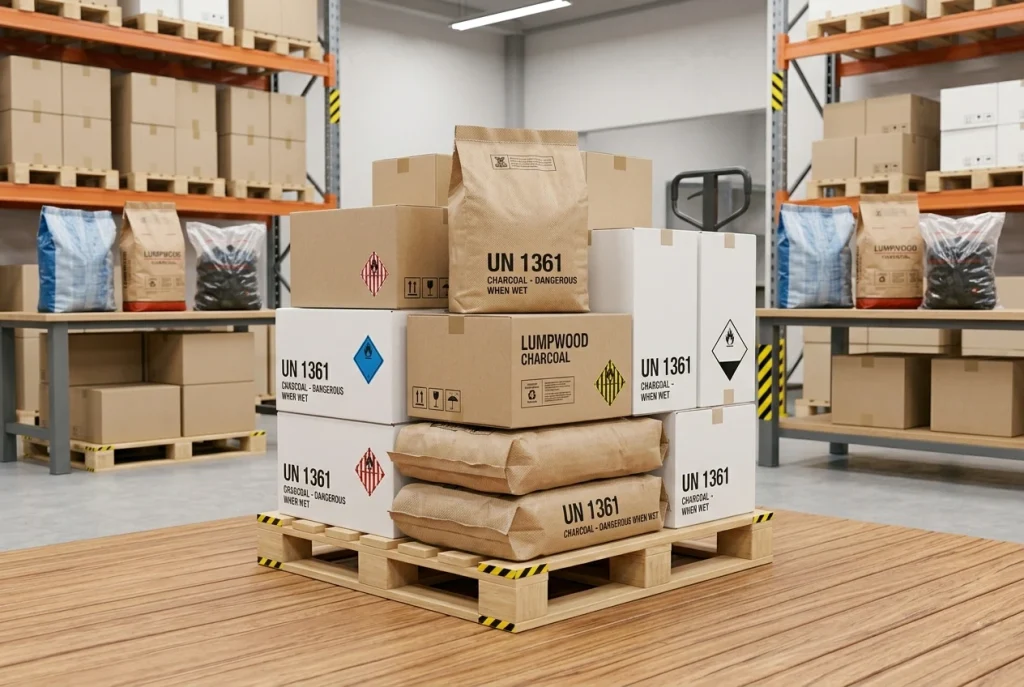
Charcoal is listed under UN number 1361, which is used worldwide to identify dangerous goods. It falls under Class 4.2, meaning substances that can catch fire without an external flame.
In simple terms, charcoal can slowly react with oxygen in the air. This reaction creates heat. If the heat builds up inside poorly designed charcoal bags, it can lead to ignition.
To reduce this risk, regulations require:
These steps help protect cargo, workers, and transport systems.
Shipping bags of charcoal for BBQ requires more than standard sacks. Basic packaging may tear, leak dust, or allow too much air inside. This increases safety risks during transport.
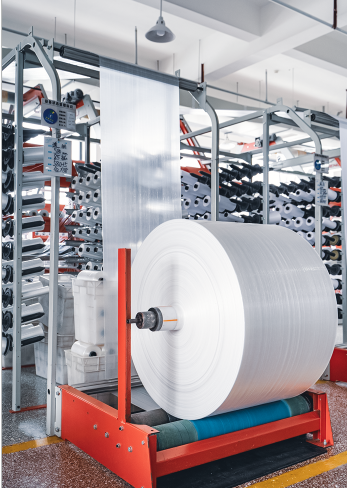
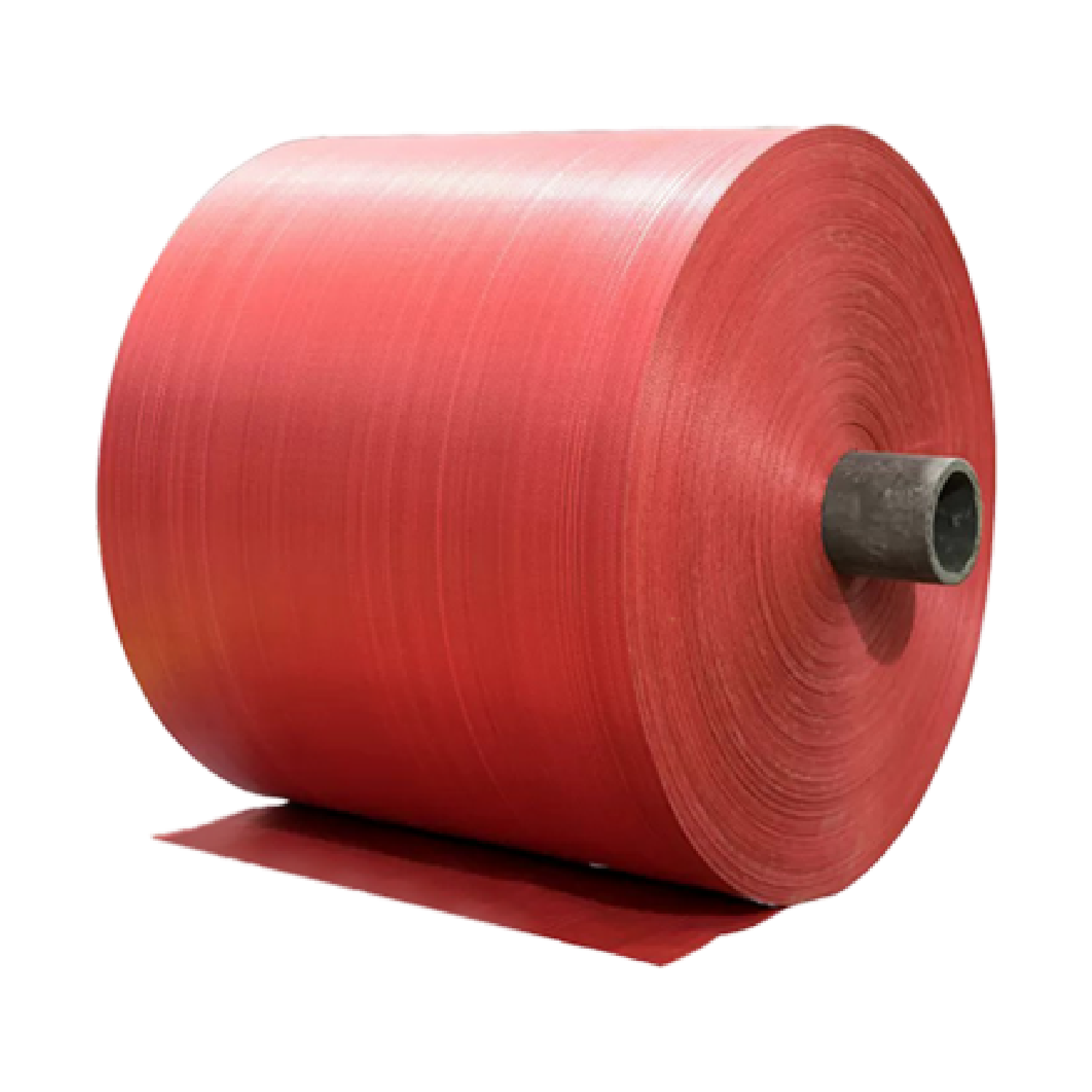
Specialized BBQ charcoal bags are designed to handle these challenges. They are often made using stronger woven materials and tested under load.
XIFA Group has over 25 years of experience producing industrial packaging. The company manufactures DG-grade bags. “DG” stands for Dangerous Goods, meaning the bags meet safety standards for hazardous materials. They also produce FIBC bags, also known as bulk or jumbo bags, used for large shipments.
Discover our facilities:
These certifications show that the manufacturing process is consistent and controlled. This matters when shipping regulated materials like UN 1361 charcoal.
Well-designed charcoal bags help to:
These features help lower the chance of heat buildup during storage and transit.
Static electricity is another risk when handling BBQ bags and charcoal.
As charcoal moves inside the bag, friction can create static charges. In dusty conditions, a small spark could cause ignition.
To manage this, some BBQ charcoal bags include anti-static features. These bags are made with materials that safely release built-up electrical charges.
XIFA Group offers this type of packaging for UN 1361 Class 4.2 materials. This added layer of protection is useful during loading, unloading, and long-distance transport.
Shipping UN 1361 charcoal involves several risks, but they can be managed with proper handling and packaging. Clear labeling, temperature control, and the right BBQ charcoal bags all play a role in safe transport.
Working with an experienced manufacturer like XIFA Group helps ensure your packaging meets international requirements. Their production standards and technical knowledge support safer handling of BBQ across global supply chains.
If you are sourcing BBQ bags, charcoal, or bulk packaging, choosing a supplier with proven compliance practices can help reduce risk and improve shipping outcomes.
Charcoal must be cooled before packing and placed in approved, moisture-resistant containers. Each package must be labeled as Class 4.2. Transport must follow international safety rules.
DG stands for Dangerous Goods. DG-grade packaging is tested to safely carry hazardous materials like charcoal.
FIBC stands for Flexible Intermediate Bulk Container. These are large, durable bags used for transporting bulk materials, including bulk bags of charcoal for BBQ.