



 by Simin Xiang
Sustainability is no longer just a long-term goal—it’s something many industries are actively working toward today. One material that continues to play a quiet but important role in this shift is recycled polypropylene (PP). Known for its strength and flexibility, it offers a practical way to reduce waste without compromising performance.
If you’ve ever wondered how recycled polypropylene fits into real-world applications, the answer is simpler than it seems. It’s not just reused—it’s re-engineered into materials that still meet demanding industrial standards.
Yes, polypropylene is recyclable, and it’s actually one of the more adaptable plastics when it comes to reuse. As a thermoplastic, it can be melted and reshaped multiple times without losing its core structural properties. This makes it suitable for applications where durability still matters.
Polypropylene is also classified as a Type 5 plastic, which means it is accepted in many recycling systems. While not every facility processes it, industrial recycling systems are increasingly equipped to handle it efficiently.
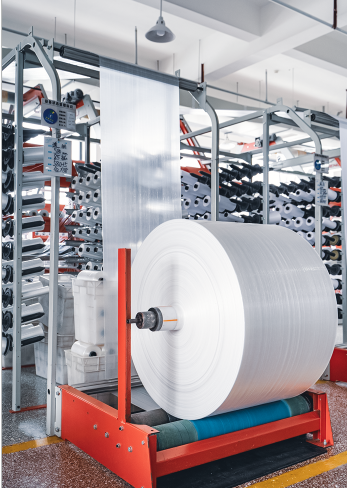
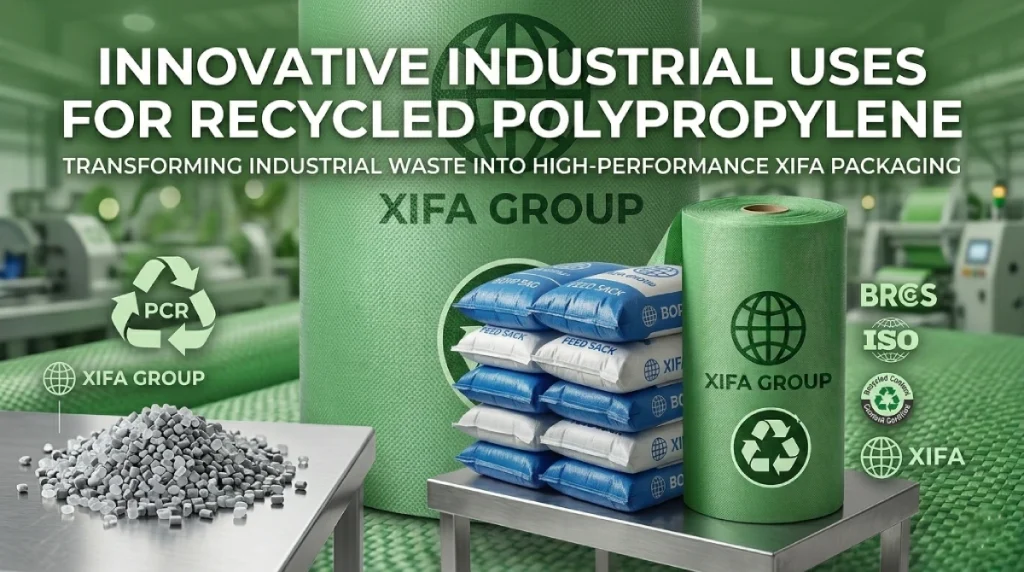
In industrial settings, polypropylene recycling follows a fairly straightforward process. Used materials—such as woven bags or bulk containers—are first collected and sorted. They are then cleaned to remove contaminants before being shredded into smaller pieces.
These fragments are melted and formed into plastic pellets. From there, the pellets are reused to create new fibers, which can be woven or molded into new products.
What makes this process effective is that it reduces the need for virgin plastic, which is typically derived from petroleum. Instead of starting from scratch, manufacturers can work with existing materials, lowering both waste and resource use.
Recycled polypropylene has moved far beyond basic applications. Today, it is commonly used in industries that require packaging materials to handle weight, pressure, and environmental exposure.
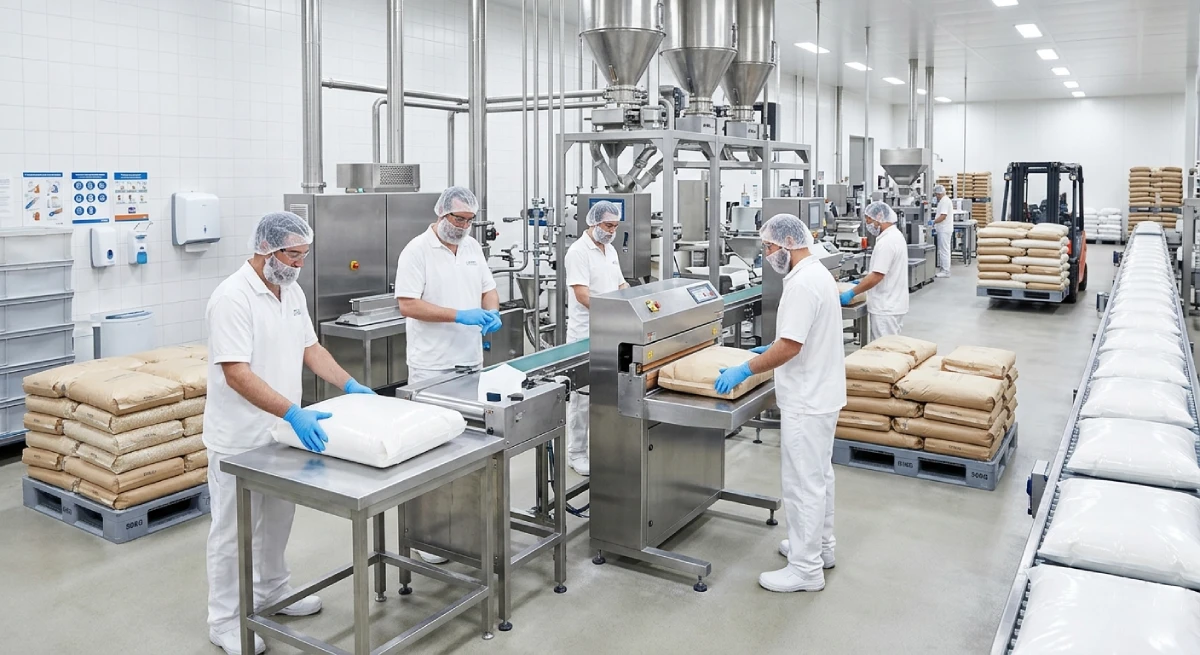
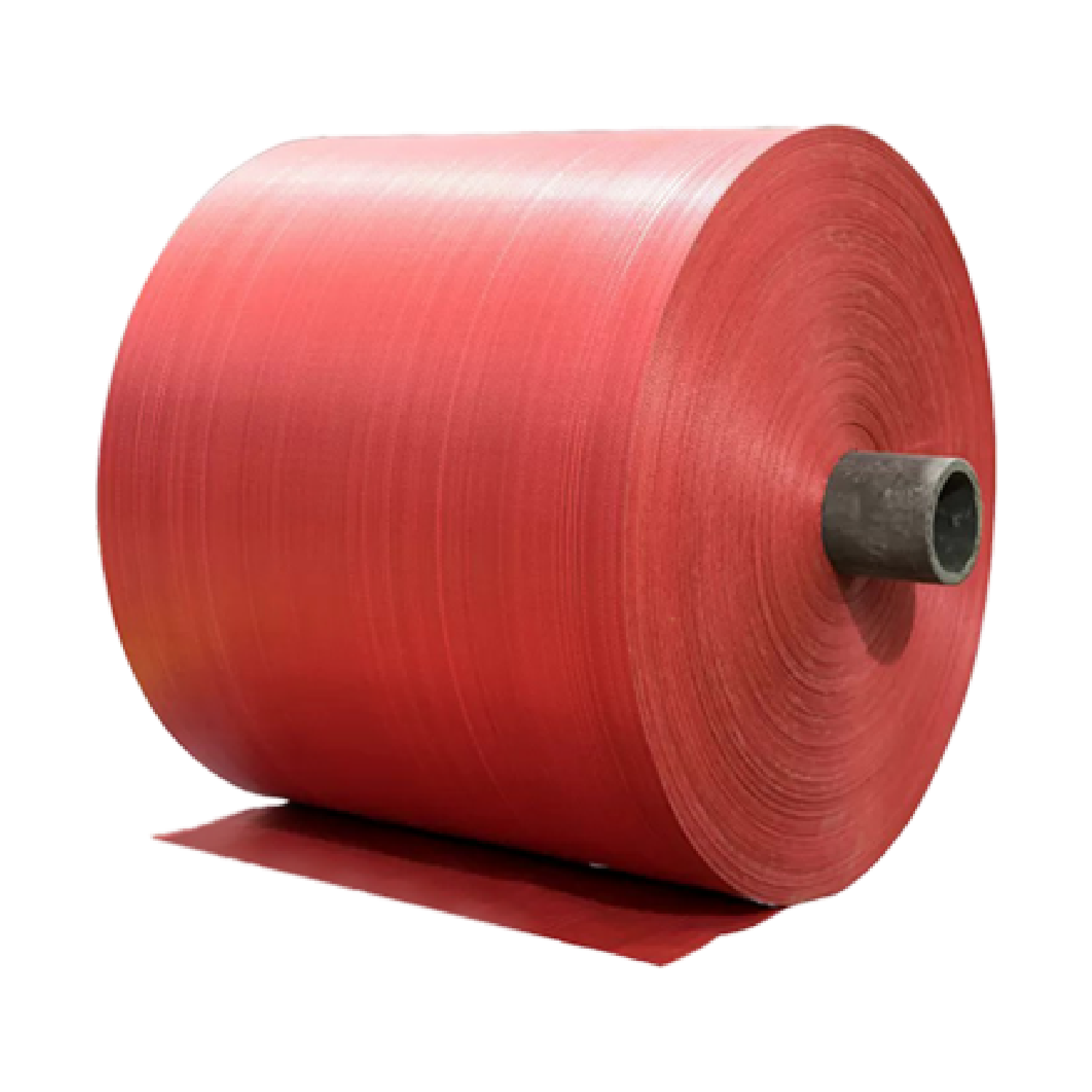
You’ll often find it in woven bags, bulk containers (also known as FIBC), and industrial sacks used for transporting grains, chemicals, or construction materials. Even after recycling, the material maintains strong load-bearing capacity and resistance to tearing.
This makes it a reliable option for businesses that need both durability and cost efficiency. It also allows companies to maintain product quality while taking a more responsible approach to material use.
One of the more thoughtful developments in this space is the use of biodegradable inner liners. These liners are typically placed inside woven polypropylene bags to provide moisture protection for the contents.
Unlike traditional plastic liners, some are made from starch-based materials that can break down more naturally after disposal. This creates a balance—keeping the outer structure strong and reusable, while reducing the long-term environmental impact of internal components.
It’s a small design shift, but one that reflects a broader move toward more sustainable packaging solutions.
For many businesses, the appeal of recycled polypropylene comes down to practicality. It reduces dependence on raw materials, lowers energy use during production, and supports compliance with environmental standards.
At the same time, it doesn’t sacrifice performance. When processed correctly, recycled polypropylene can meet the same strength and durability expectations as new material.
Toward the sourcing stage, working with an experienced manufacturer becomes important. Companies like XIFA Group, with established production systems and sustainability-focused processes, are better positioned to deliver consistent quality at scale.
In the end, recycled polypropylene isn’t just about reducing waste—it’s about finding smarter ways to maintain performance while using resources more responsibly.
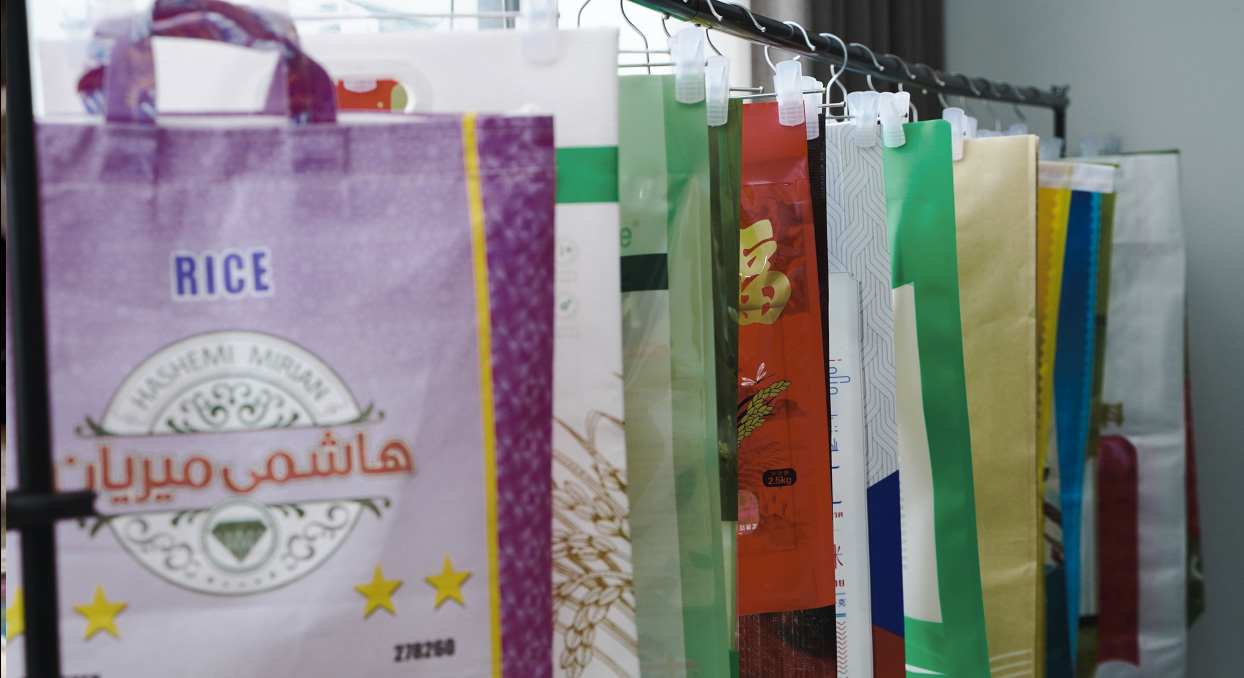
It is commonly used in industrial packaging, including woven bags, bulk containers, and storage sacks.
No. When properly processed, it retains strong durability and load-bearing capacity.
Yes. It can be manufactured to meet safety and regulatory standards for various applications.