



 by Simin Xiang
Pharmaceutical ingredients require stricter bulk packaging because even minor contamination, moisture exposure, or static discharge can affect product quality and safety. Proper packaging helps maintain purity, improve traceability, and reduce handling risks during filling, storage, and transport.
This is why fibc containers for pharmaceutical ingredients applications require higher packaging standards than many other industries. The right FIBC bags help control contamination, protect sensitive materials, and support regulatory compliance.
This article explains why these standards matter, how pharma-grade fibc and chemical-grade fibc bags differ, and where they overlap. It also shows what technical buyers should check before approving bags for pharmaceutical and fine chemical raw materials.
Pharmaceutical powders are highly sensitive and can absorb moisture, create dust, separate during handling, or react to static electricity. Standard bulk bags may hold the material, but they may not fully protect it from environmental exposure or contamination.
Even small contaminants like dust, loose fibers, oil, or metal particles can cause batch rejection, leading to product loss, delays, and extra documentation. That is why clean handling is essential throughout transport and storage.
Packaging also supports regulatory compliance. Buyers often require batch tracking, liner details, inspection records, and production data.
That is why traceable fibc containers and pharmaceutical ingredients programs matter. The bag is not just a transport tool. It is also part of compliance evidence.
Both bag types are used for sensitive bulk materials, but pharma-grade FIBC bags require stricter contamination control, hygiene standards, and documentation.
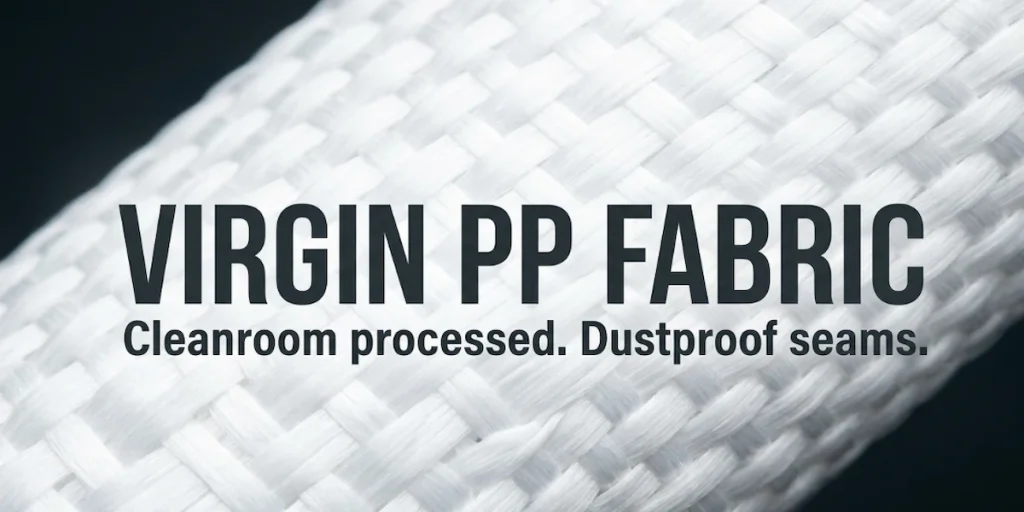
Pharma-grade FIBC bags commonly use virgin PP fabric, dustproof seams, clean production conditions, and pharma-suitable liners. They may also include LDPE or LLDPE liners, barrier liners, conductive liners, and stricter inspection procedures with batch traceability.
Chemical-grade FIBC bags focus more on material compatibility, static control, safe handling, and efficient filling and discharge. For fine chemical applications, the specifications can be very similar to pharmaceutical packaging, creating significant overlap between the two.
Both categories may require:
| Focus Area | Pharma Grade FIBC | Chemical Grade FIBC Bags |
| Contamination Control | Very strict | Strict, based on product sensitivity |
| Moisture Barrier | Often required | Often required |
| Static Protection | Common for powders | Common for powders and solvents |
| Traceability | Usually detailed | Often product- and buyer-specific |
| Handling Safety | Mandatory | Mandatory |
For many fine powders, the final decision depends on risk assessment, not the label alone.
Contamination control begins with raw material selection and continues through production and inspection.
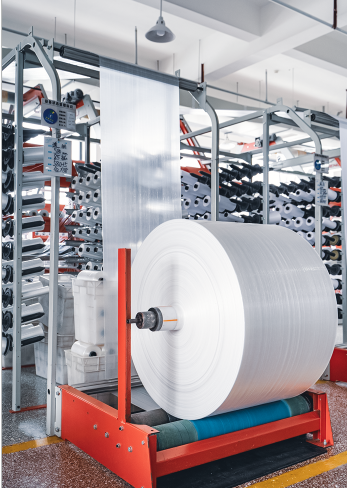
Virgin woven polypropylene (PP) helps reduce contamination risks and provides more consistent quality than recycled materials. Dustproof seams prevent particles from entering or escaping during transport and storage, while inner liners add protection against moisture, oxygen, and vapor.
Clean manufacturing workshops are also essential. Proper hygiene, controlled production procedures, and foreign matter inspections help reduce dust, oil, and cross-contamination risks.
XIFA Group emphasizes clean processing workshops and strict quality management to support safer bulk packaging for sensitive pharmaceutical materials.
Moisture and static are major risks in pharmaceutical powder handling.
Many pharmaceutical ingredients absorb moisture easily, which can affect flow, stability, and product quality. Liners, sealed closures, and controlled packing conditions help protect materials from moisture, especially during export transport.
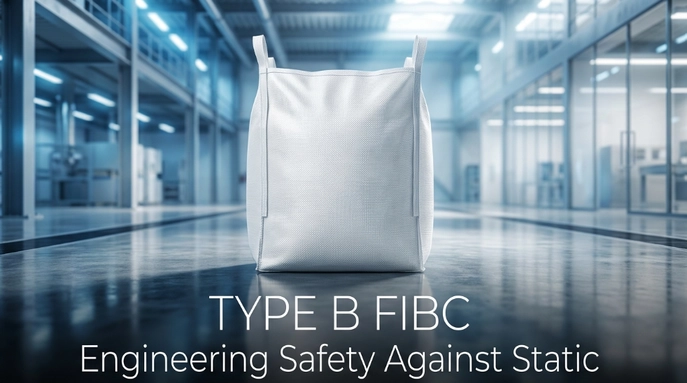
Static electricity is another concern. Fine powders can create electrical charges during filling and discharge. In environments with dust or solvent vapor, this may create an ignition risk.
To improve safety, conductive and anti-static FIBC bags are used. Type C conductive bags require proper grounding, while other anti-static designs are selected based on the process environment and safety requirements.
A buyer handling a moisture-sensitive API used a form-fit liner with dustproof seams and controlled filling. This reduced powder residue in the outer bag area and improved line cleanliness during unloading.
A fine chemical plant experienced charge buildup during discharge from a standard bag. After moving to a conductive model with grounding and a matched liner, discharge became more stable, and the ignition risk was reduced.
Technical performance alone is not enough. Buyers also need reliable documentation and safe handling during storage and transport.
Traceability should link each bag to its raw materials, production batch, inspections, and release records. QR-code systems help improve tracking for warehouse teams and audits. XIFA Group supports this with QR-based traceability, in-house manufacturing, and quality control throughout production.
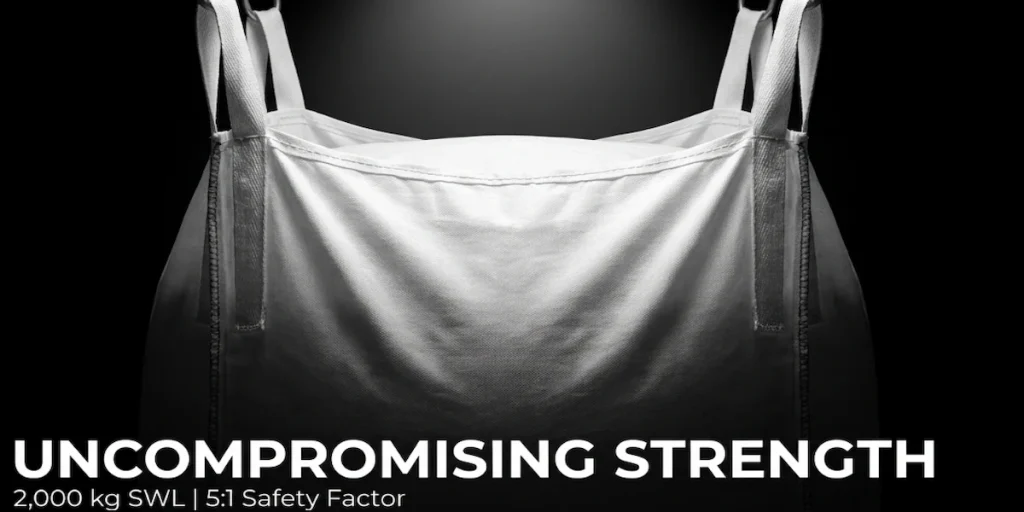
Handling safety focuses on bag strength and operational reliability. Important features include secure lifting points, custom filling and discharge spouts, and load ratings suited to the application. For heavy-duty use, buyers may require SWL ratings up to 2,000 kg, a 5:1 safety factor, UV protection, and reliable export handling performance.
A bag specification alone is not enough. Buyers should also check how the fabric is made, how liners are added, and how quality is controlled during production.
An integrated manufacturing chain helps reduce supplier risks and improves consistency in fabric, sewing, printing, and inspection.
XIFA group presents this integrated scope across PP Fabric, BOPP Bag, FIBC Big Bag, and PE Film Bag.
Certifications like BRCGS Food Safety also support supplier approval and audit confidence, especially for pharmaceutical and sensitive material packaging.

The right bag depends on the product, process, and hazard profile. Pharmaceutical and fine chemical materials need bulk packaging that controls contamination, moisture, static, and documentation risk.
XIFA group brings a relevant manufacturing scope as a packaging manufacturer with 25 years of experience, a 72,000 square meter factory, and 800 plus staff. Its portfolio spans FIBC solutions as well as PP fabric, BOPP bags, and PE film bags for industrial applications.
If you are reviewing packaging for pharmaceutical or fine chemical raw materials, it is worth exploring their collection in more detail and comparing the specification against your actual process conditions.
It should control contamination, support traceability, and match the product’s moisture and static risks. Clean production conditions and liner selection are also important.
It is necessary when powder handling creates an electrostatic risk, and grounding is part of the safety method. The final choice should follow hazard assessment.
Ask about workshop controls, liner options, traceability, static protection, inspection steps, and load rating. Then compare those details with your process requirements.