

 by Roy

Reprocessed BOPP bags matter because they help businesses reduce waste, meet ESG goals, and still protect products properly. These bags reuse polypropylene material without losing strength or print clarity. This article explains what reprocessed BOPP bag materials are, how they work, and why they fit modern supply chains. You will also learn how these bags support sustainability targets in food, agriculture, and consumer goods while keeping strength and print clarity.
BOPP bags are woven polypropylene bags laminated with biaxially oriented polypropylene film. This film improves surface smoothness, moisture resistance, and print quality. These bags are common in grain, rice, animal feed, and detergent packaging. They are light, strong, and easy to stack. Most importantly, polypropylene is recyclable.
Key Takeaway:
Reprocessing means collecting used polypropylene materials, cleaning them, and melting them into usable resin again. This resin is then blended and controlled before new bags are produced. The process reduces demand for virgin plastic. It also lowers overall carbon emissions across the supply chain. Many buyers think recycled plastic always means weak plastic. That is not true. When done correctly, the material still performs well in strength, sealing, and printing.
Using reprocessed material cuts plastic waste sent to landfills. According to PlasticsEurope, mechanical recycling can reduce greenhouse gas emissions by over 40% compared to virgin resin production. This helps companies meet ESG reporting requirements in Europe and the Middle East.
Circular packaging keeps materials in use longer. Reprocessing fits well with EU circular economy action plans and regional sustainability policies. It also sends a clear signal to end customers that your brand values responsible sourcing.
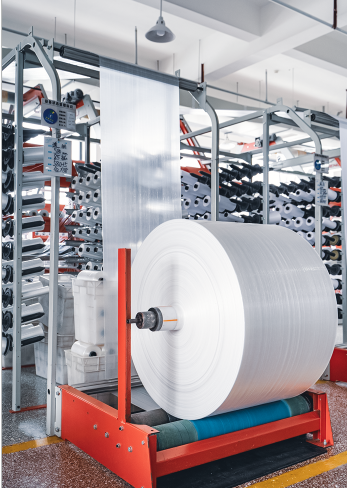
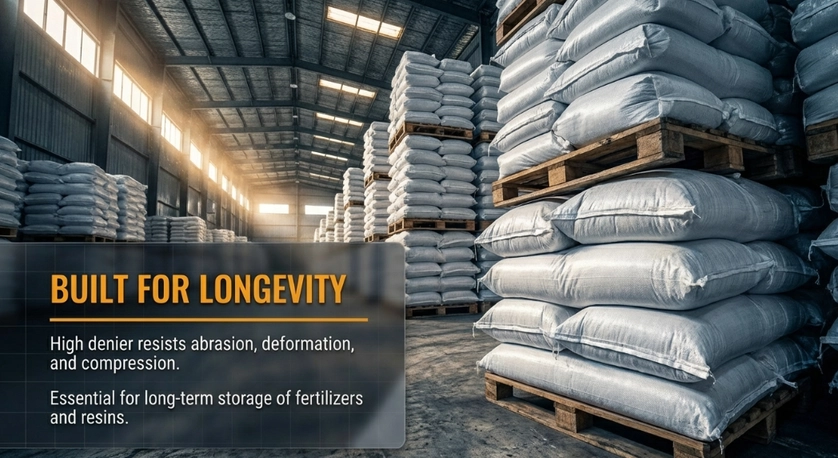
For bulk packaging, strength cannot be compromised. Reprocessed polypropylene must meet strict tensile and tear standards. XIFA controls raw material blending and PP fabric weaving to maintain load capacity for feed and grain uses. This matters in stacked transport and long storage cycles.
Modern BOPP bags rely on strong visual branding. With advanced 8-color printing presses, surface clarity remains sharp even when recycled content is used. This is why detergent and feed brands still choose laminated woven bags.
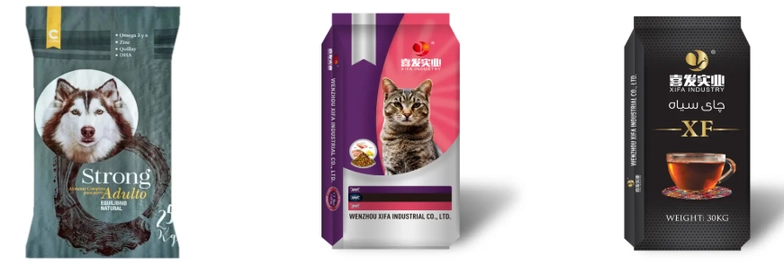
Livestock feed bags need strength, moisture protection, and clear labeling. Reprocessed materials work well when lamination and fabric density are controlled. Customized sizes and valve options support different feed weights and transport needs.
Grain exporters require stable bags for long-distance shipping. BOPP lamination protects against humidity while keeping the weight low. This balance supports food safety standards and reduces transport losses.
In bulk packaging, surface area affects strength and cost. The calculation considers the width, length, and height of the bag panels. This same logic applies when scaling down to woven and laminated bags. Material usage must be precise to avoid waste while keeping strength. Understanding the power of jumbo bulk bags helps buyers compare packaging options more clearly.
Reprocessing is not limited to plastics. Industries now use recycled leather bags and textiles to reduce waste. This shows a broader shift toward material recovery across sectors. Packaging is simply one of the most visible examples.
Reprocessing only works when quality checks are strict. Melt flow index, moisture, and contamination must be tested before production. XIFA applies process inspections from raw material intake through printing and sewing. This keeps performance consistent across large orders.
Customization is important for branding and compliance. XIFA supports customized designs starting at 5,000 units. This MOQ works well for distributors and regional brands. Customization options include:
Reprocessing BOPP bags helps brands meet sustainability goals without giving up performance or design. It supports cleaner supply chains and practical ESG action. XIFA Group combines woven PP fabric, BOPP bags, FIBC big bags, and PE film bags to support these needs. Explore a collection of customized packaging options designed for modern markets.
1. Are reprocessed BOPP bags safe for food packaging?
Yes. When produced under food-grade controls, they meet safety standards for dry food and feed packaging.
2.Do recycled materials weaken BOPP bags?
Not when processing is controlled. Strength depends on blending, weaving, and lamination quality.
3.Can these bags support high-end branding?
Yes. Advanced printing allows clear graphics and multi-color designs on laminated surfaces.
4.How do they support ESG goals?
They reduce virgin plastic use, lower emissions, and support circular economy reporting.