



 by Simin Xiang
Modern factories are finding that swapping manual, slow, small bags for FIBC packaging systems can boost their overall profits. Combining heavy-duty bulk bags with automated filling lines enables companies to cut labor costs by 70 percent and reclaim 40 percent of their warehouse space.
Shifting loose bulk materials around the factory floor can quietly drag down your margins. However, you can improve your warehouse efficiency by switching from small 25kg bags to an integrated bulk system. Here, we’d like to highlight a simple formula that is applicable for factories worldwide:
Automated Filling Line Modification + Big Bag Application = 70% Savings in Labor + 40% Savings in Warehouse Space
Factories that rely on manual multi-bag setups face constant operational bottlenecks. Just to give an example, you need forty individual 25kg bags just to move one ton of product. From opening and filling to sealing and palletizing, constant human intervention is required to complete the process. Upgrading to heavy-duty FIBC packaging helps eliminate these steps, thereby reducing your costs.
| Cost Metric | Traditional 25kg Small Bags | XIFA fibc solutions | Operational Impact |
| Allocation of labor | A lot of manual intervention (filling, sealing, palletizing 40 separate bags per ton). | Automated filling and forklift-ready lifting loops. | 70% reduction in dedicated line labor. |
| Storage Footprint | Unstable stacking geometry, costly pallet requirements. | Highly structural, stackable square geometries. | 40% savings in physical warehouse floor space. |
| Material loss | High risk of puncture and product residual waste. | High-strength woven polypropylene with protective liners (optional). | Near-zero shrinkage during transit and filling. |
| Processing Speed | Slow sequential batch processing. | Rapid continuous-flow bulk filling. | Drastic increase in tons processed per hour. |
If you look at it from a purely financial standpoint, the cost you pay to update your automated machinery lines is covered fast due to the reduction in your daily operational expenses. There’s a lower risk of workplace injuries courtesy of fewer manual touchpoints. It also speeds up the quantity of materials your team can process in each shift.
Plus, ditching thin, small bags brings your potential product loss from spills and rips to nearly zero. Conventional small bags rip easily from rough handling and forklift punctures. Opting for a tough bulk container model keeps your material secure throughout the whole journey while eliminating product waste.
Maximizing warehouse efficiency means investing in sturdy packaging that’s especially designed for rugged factory environments. As you switch to premium FIBC bulk container bags, it changes the way you optimize your floor space.
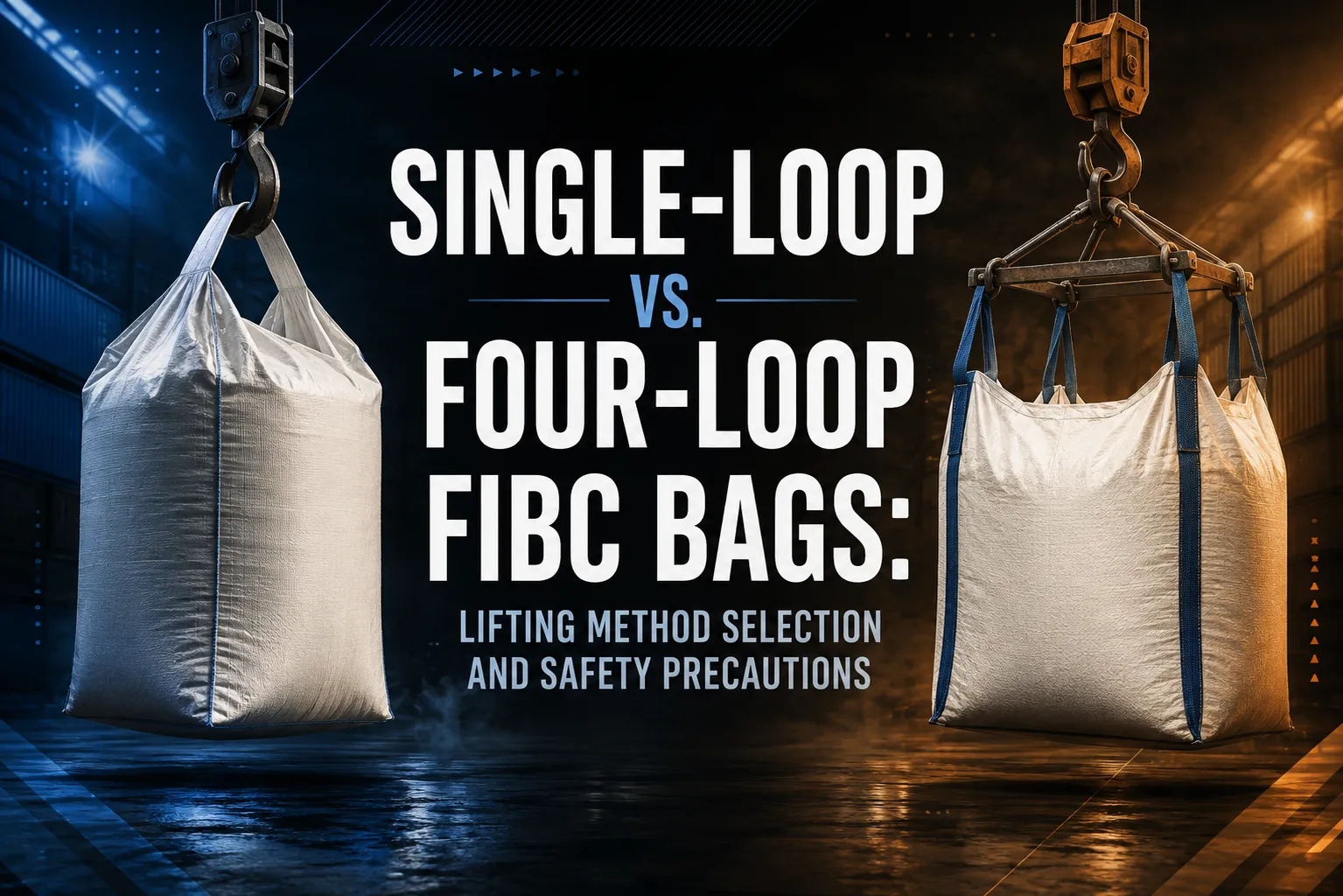
For example, 25kg bags often take the shape of messy, unstable piles on wooden pallets. But selecting the right FIBC application, like using heavy-duty tubular or U-panel designs for dense chemical powders, keeps the bags in their square, tight shape. This structural strength enables you to stack filled units vertically, freeing up around 40 percent of warehouse space.
For the forty separate 25kg bags example we mentioned earlier, you can set up a dedicated FIBC packing department to help move your materials smoothly. With specialized bottom valves, top spouts, and automated filling stations, a single operator can move or fill a stack of 1,000 kg units. This fast turnaround can reduce your labor overhead by nearly 70 percent.
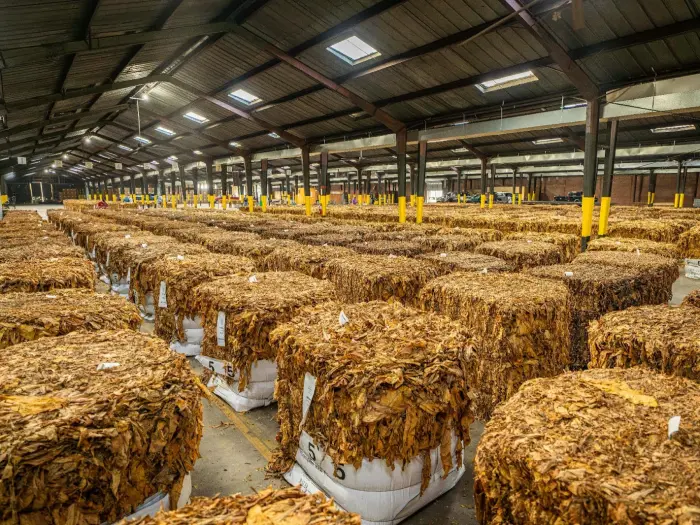
Shipping security is another huge plus when you upgrade your system. Standard small bags slide around during transit, causing loads to shift and become unbalanced inside shipping containers. Large bulk bags fit tightly against each other, creating a solid block of cargo that stays firmly in place. This stability keeps your products safe from damage, makes customs inspections much easier, and guarantees everything arrives at international ports in perfect condition.
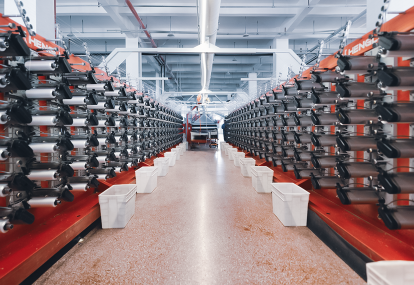
To get the best results, you need a packaging partner that understands both ends of the supply chain. XIFA Group handles everything under one roof as a complete factory-and-trade business. We make our entire product line in-house, ranging from standard 25kg and 50kg small laminated bags all the way up to large-scale FIBC solutions. Our massive production facilities are fully equipped with advanced wire-drawing lines, high-speed circular weaving machines, and automated cutting tools.
This setup gives us complete control over every single step, from melting the raw materials and weaving the fabric to final safety weight testing. Because we handle the engineering ourselves, your facility gets a clear, hassle-free upgrade path. We know a sudden system overhaul can disrupt your operations, so we help you balance your logistics smoothly. We can easily supply small-bag orders right alongside heavy-duty bulk options built for your automated machinery, making the transition seamless.
Having this dual production setup means we can handle your entire packaging inventory as a single partner. Our team looks at your current plant layout, checks how your materials flow, and designs the perfect bag sizes to pack your shipping containers completely full.
This end-to-end oversight ensures your new bulk containers attach perfectly to your automated filling valves. Ultimately, XIFA keeps your global supply chain moving at peak performance without any production delays, shipping issues, or supply chain bottlenecks.