
BLOG

What is BPA-Free Material? Choosing Safe Polypropylene Food Containers

Mar 24, 2026 by Roy

Industrial buyers commonly ask, “What is BPA and how does it affect the safety of plastic products?” Hence, understanding the chemical composition of packaging is essential for food safety and regulatory compliance. This guide explains the technical properties of BPA and its risks, as well as the benefits of using polypropylene plastic food-safe materials for storage.
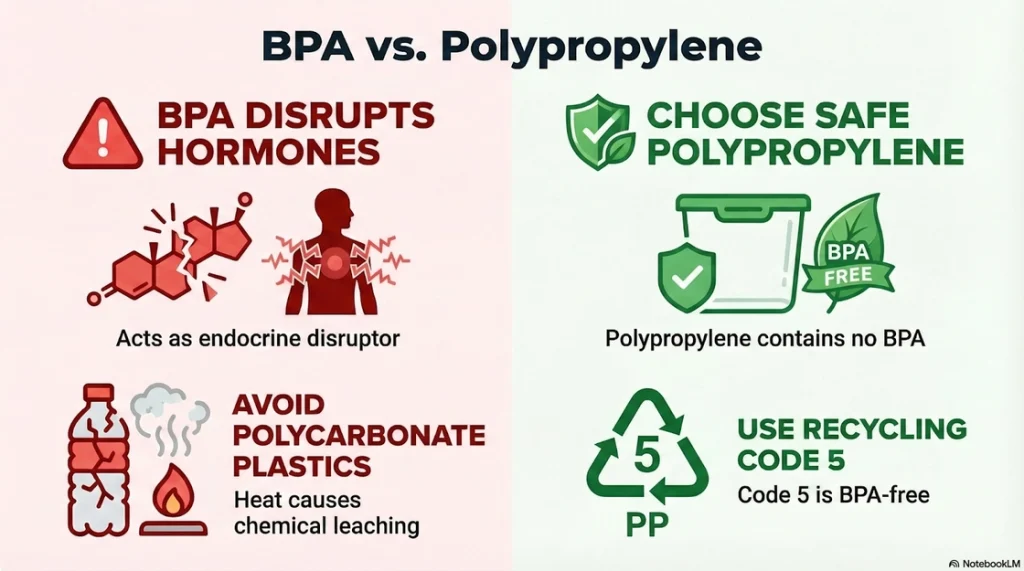
Explaining BPA and Its Effects

BPA or Bisphenol A is a chemical compound commonly used in the manufacturing of plastics and epoxy resins, typically found in polycarbonate plastics used in food and beverage containers. Its primary function is to harden plastics and help metal packaging prevent corrosion. 

Common Household Products with BPA

  • Plastic Bottles and Food Containers: Typically made from polycarbonate plastics that may release BPA when exposed to heat, sunlight, or repeated use.
  • Canned Foods and Drinks: Many cans are lined with BPA-based epoxy resins to prevent corrosion and extend shelf life.
  • Baby Products: Older or non-compliant baby bottles, pacifiers, and toys may contain BPA that can pose risks to infants.
  • Receipts and Dental Materials: BPA is found in some thermal paper receipts and other dental sealants, contributing to everyday exposure.

However, growing scientific research highlights the health risks of BPA, which can enter food and beverages through heating, repeated use, or physical wear. Even low-level exposure to BPA is concerning, as BPA acts as an endocrine disruptor. 

Potential Health Risks of BPA

  • Hormonal Imbalance: BPA can mimic estrogen and disrupt normal hormone levels, affecting metabolism, mood, and overall body function.
  • Reproductive Issues: Linked to reduced fertility in men and women and pregnancy complications.
  • Developmental Delays in Children: May affect brain development, resulting in behavioral changes, difficulties in learning, and hyperactivity.
  • Chronic Health Risks: Long-term exposure may lead to increased risks of obesity, heart disease, and type 2 diabetes.

Who is at Risk?

  • Pregnant Women: Exposure may affect fetal growth and development.
  • Infants and Young Children: More vulnerable due to developing hormonal and immune systems.

Polypropylene for BPA Free Food Containers 

For those asking, “What does non-BPA mean?” Polypropylene (PP) is widely known as one of the most dependable options. It does not contain BPA, reducing the risk of harmful chemical exposure and making it a safer material for daily food and beverage usage. 
Reasons Why is BPA Free Plastic Is Safe

  • BPA-Free Composition: Polypropylene has no BPA, reducing the risk of chemical leaching into food, even with heat.
  • Heat and Food Safe: It is suitable for everyday use as it performs well in microwaves and dishwashers. 
  • Non-Reactive Material: It is ideal for storing various types of food without affecting quality or safety.

Benefits of Polypropylene Food Containers

  • Health-Conscious Choice: Among the top options as the safest plastic food containers for homes and food businesses.
  • Durable and Lightweight: It is durable enough for repeated use while remaining easy to handle and transport.
  • Recyclable Material: Can be reused and recycled numerous times, highlighting more sustainable packaging practices.

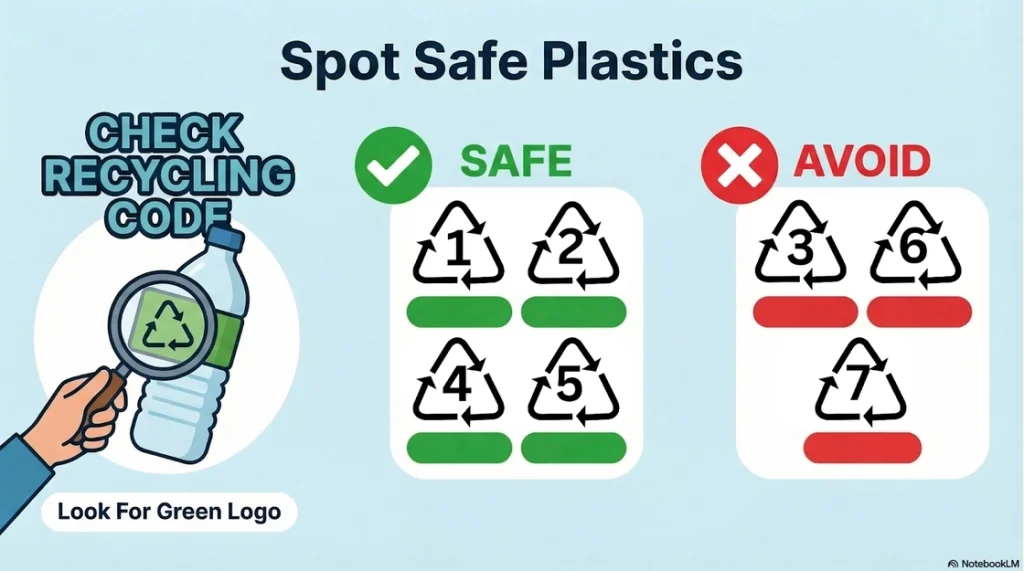
What is the BPA Free Symbol?

The BPA-free symbol is not uniform, but often appears as a green and circular icon featuring the text “BPA Free.” It is also commonly accompanied by two leaves to signify health and safety. 

Then, check for the recycling code that is designed with little triangles made of arrows and with numbers inside. Codes 1, 2, 4, and 5 are commonly free from BPA, while codes 3, 6, and 7 usually have BPA and should be approached with more caution.

Conclusion

Need Custom PP Woven Bags?

Design the perfect, high-strength packaging solution tailored exactly to your product, size, and branding requirements.

Start Customizing Now

Understanding what BPA and its potential health impacts are will help you choose the right materials. Moreover, opting for BPA-free food containers provides a durable, heat-resistant solution for food storage while promoting a healthier lifestyle and meeting modern safety standards. 

XIFA provides specialized food-grade containers, with options including high-strength polypropylene. Additionally, PP materials are lightweight and possess excellent chemical stability, ensuring a secure and stable environment for all types of food products.

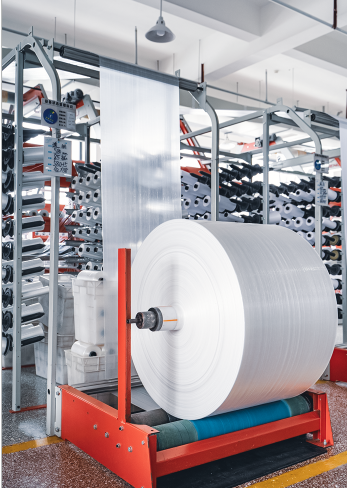
As a large-scale factory, XIFA adheres to food-grade management from the initial fiber drawing to final weaving. 

Share Article
Request A Quote
Interested in learning more?
Connect with us now!

Get A Touch Now

Get A Touch Now