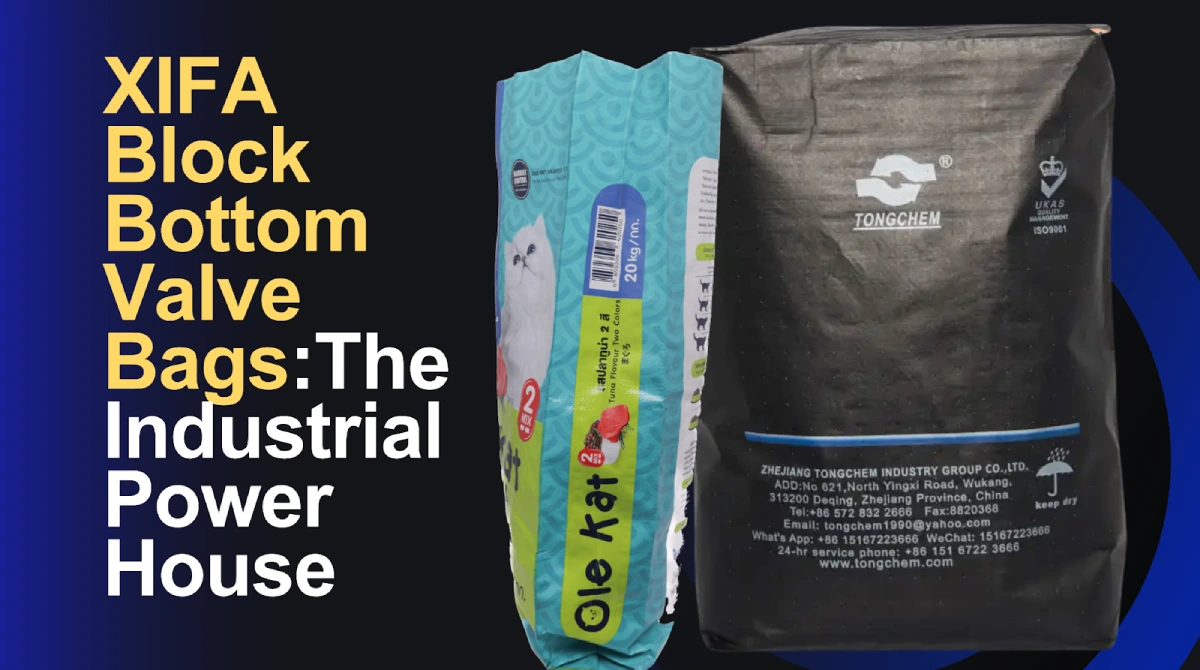


 by Simin Xiang
Industrial valve bags are engineered packaging bags designed for fast filling, reduced dust, and secure sealing in high-volume production. They help factories improve efficiency, protect product purity, and control material loss. This guide explains how they work, where they fit best, and why many industries choose them over sewn-bottom bags.
You will learn the structure of these bags, the benefits of the valve design, dust-control performance, and how material compatibility affects filling accuracy. This guide also explains why companies in cement, chemicals, minerals, and food additives rely on them for consistent packaging outputs.
A valve bag is a specialized packaging bag with a built-in valve opening for filling powdered or granular materials. The valve closes automatically or with light pressure after filling, reducing manual sealing steps.
Many users also ask what the valve in cement bag is, since cement factories use these bags widely. The “valve” is simply the small filling sleeve that helps seal the product after the machine injects material.
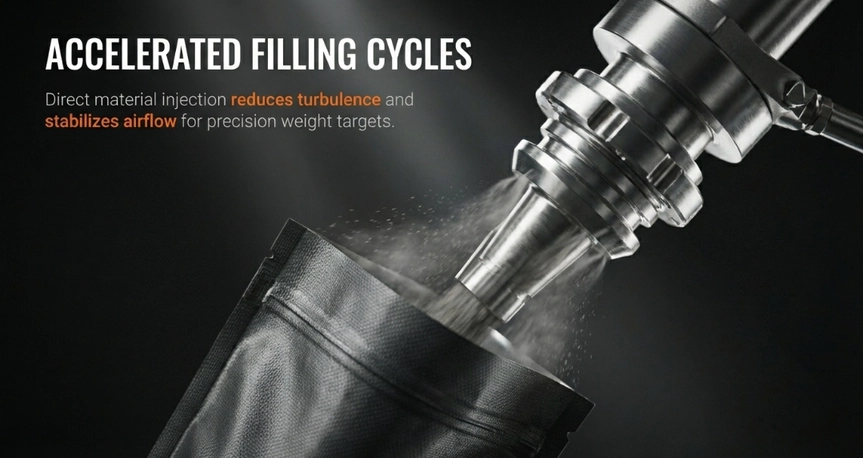
Valve bags allow high-speed filling because the bag stays in position while the machine injects material directly through the valve. The controlled inlet reduces turbulence inside the bag. This helps packers reach target weights faster and more accurately.
Compared with sewn-bottom bags, valve-style bags:
These factors create smoother production flow, especially for cement, minerals, and additives that require consistent filling rates. One common example is the cement valve bag, which supports rapid production in cement plants.
Fine powders create dust clouds during packaging. Valve bags address this issue through their closed filling path and automatic sealing. Once the bag is filled, the valve closes through internal pressure or by folding.
Valve bags reduce dust because:
Reducing dust helps protect equipment, maintain cleaner production areas, and improve worker comfort. This dust-control feature is also why many operations ask why get a kraft bag with a valve. Kraft paper supports good breathability, contains dust well, and is suitable for powders with moderate flow characteristics.
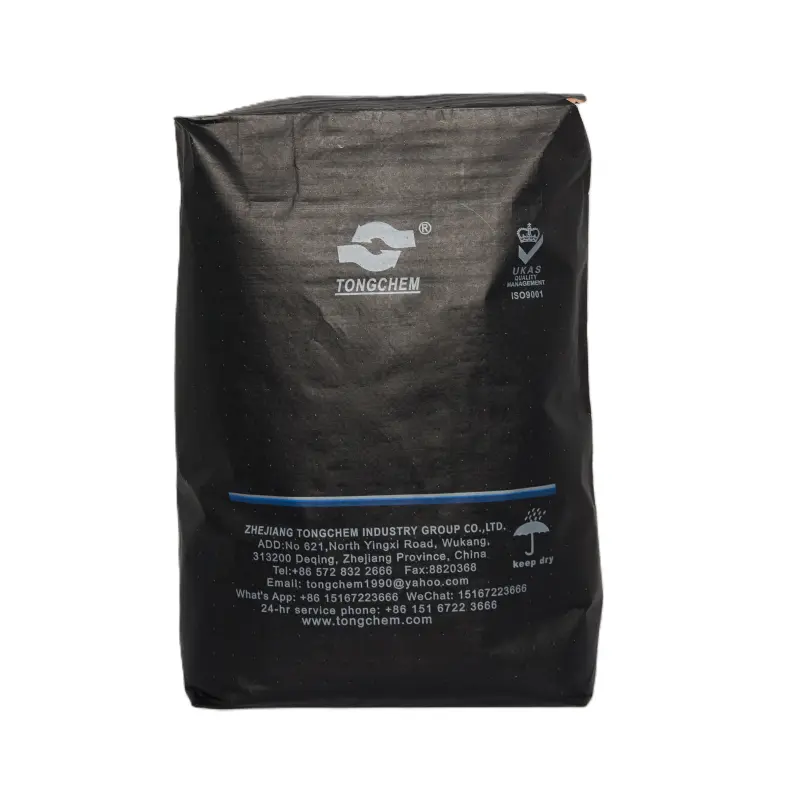
Valve bags are available in kraft paper, woven polypropylene, and multilayer laminates. Each structure supports different industries and product needs.
Kraft paper offers stiffness, stackability, and natural ventilation. This makes it ideal for cement, starch, feed additives, and minerals. It is often selected when customers ask what a paper bag valve is, because Kraft’s stiffness allows the valve to close tightly after filling.
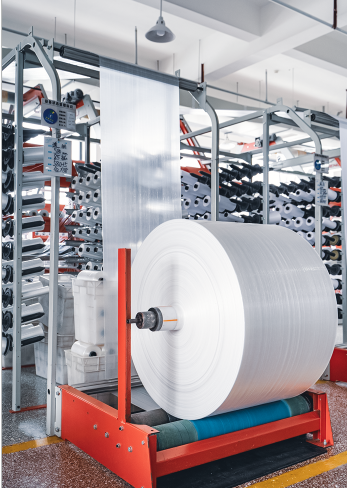
Woven PP provides moisture resistance and high strength. It is suitable for chemicals, building materials, and powder mixes that need stronger tear resistance. Some factories choose block-bottom PP bags to improve pallet stability, such as the China PP cement block bottom valve bag widely used in Asian cement plants.
These combine moisture protection, strength, and print clarity. They help protect sensitive materials like specialty chemicals, pigments, or fine minerals.
Valve bags outperform sewn-bottom bags in several technical areas.
Sewn-bottom bags often require manual sealing. Valve bags close themselves, allowing faster filling rates and cleaner discharge from filling machines.
Sewn-bottom designs leak more during filling. Valve bags significantly reduce airborne dust and product loss.
Valve bags better support powders that need controlled airflow. Sewn-bottom bags work best for coarse materials that do not require dust management.
These differences matter in cement, chemicals, and additives because consistent weight accuracy and dust reduction improve operational reliability across every shift.
Manufacturers can adjust valve bags to fit specific filling machines and production requirements. Typical customization includes:
XIFA offers design support to align each bag with your working conditions, ensuring proper venting and sealing strength for every application. The company’s minimum order quantity of 5,000 bags supports consistent production planning for medium and large factories.
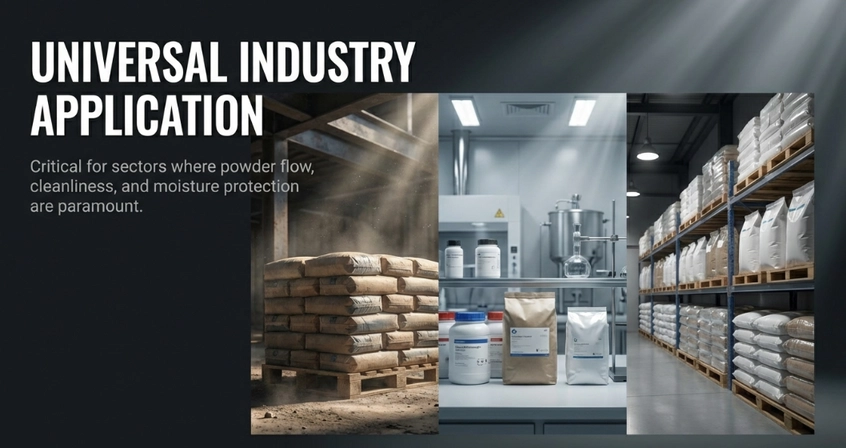
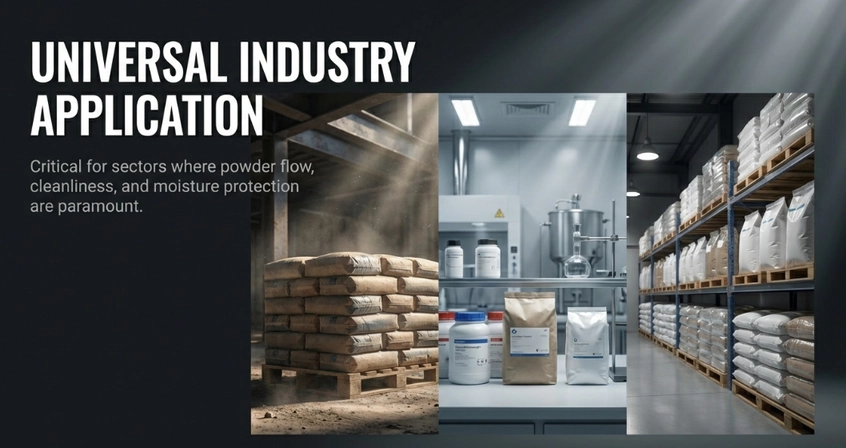
Valve bags are used in sectors where powder flow, product cleanliness, and moisture protection matter. These include:
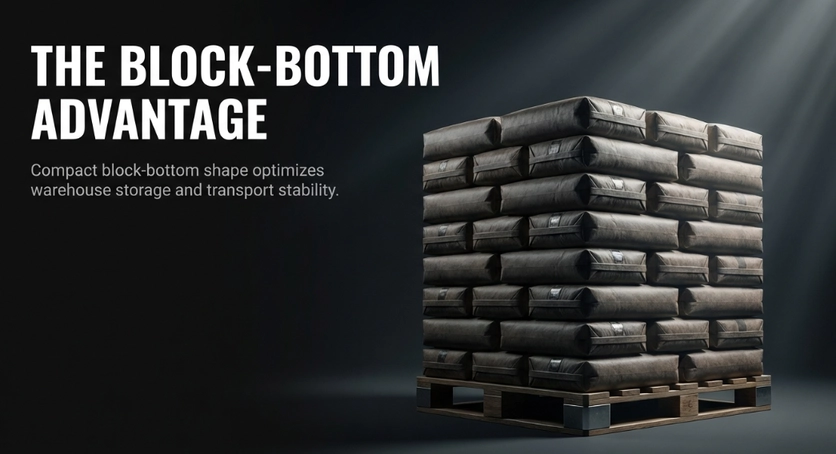
Their square shape and strong sealing improve warehouse storage and reduce transport damage.
Industrial valve bags support faster filling, cleaner operations, and better material protection across many industries. Their structure reduces dust, increases accuracy, and improves stackability compared with sewn-bottom bags. If you want a packaging solution that fits your material and equipment setup, XIFA offers a full collection of customizable valve bags tailored for different working conditions and production lines.
Explore design options, request samples, or discuss custom features through XIFA’s technical team.
It is used to pack powders and granules that require fast filling, clean discharge, and secure sealing.
They support controlled airflow, fast filling cycles, and reduced dust. This helps plants maintain consistent production.
Yes. Laminated layers or PE liners protect materials sensitive to humidity.