



 Симин Сян
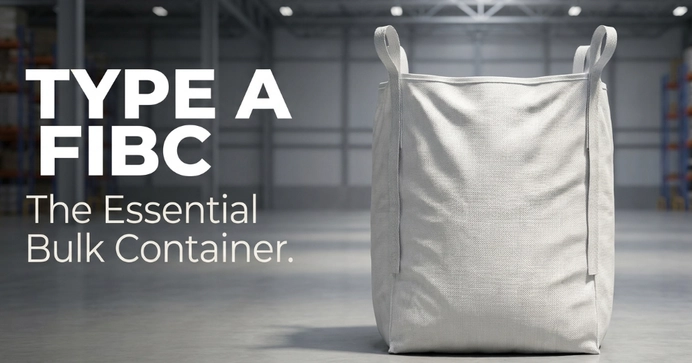
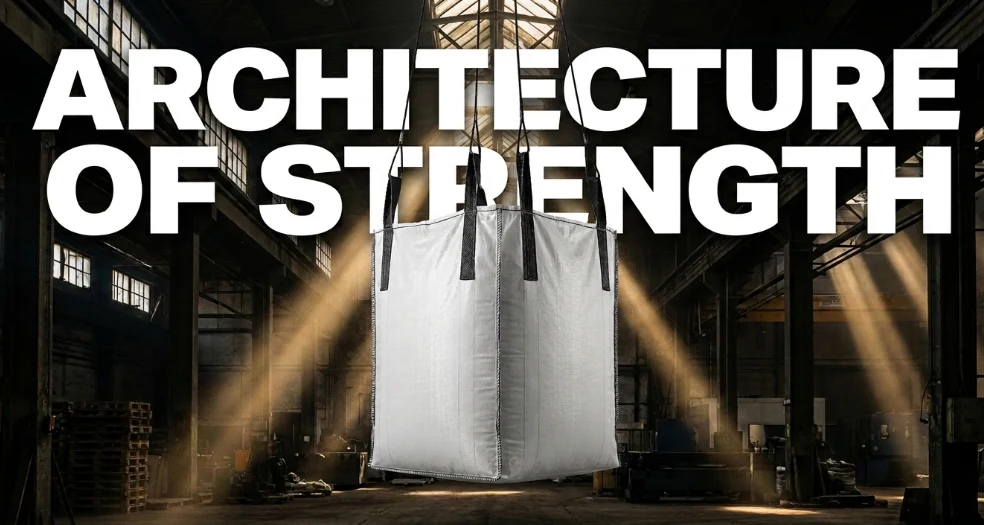
Биг-бэг типа А — это гибкий промежуточный контейнер для сыпучих материалов, изготовленный из полипропилена простого плетения без защиты от статического электричества. Это наиболее экономичный вариант биг-бэга, подходящий только для негорючих продуктов в средах, свободных от легковоспламеняющихся газов, паров или пыли.
В этом руководстве объясняется, как изготавливаются пакеты типа А, на какие характеристики следует обратить внимание покупателям, где они наиболее эффективны и когда их использовать не следует.
Этот контейнер начального уровня изготовлен из стандартной полипропиленовой ткани. Он не имеет специальных элементов для контроля или рассеивания статического электричества. Благодаря такой простой конструкции, мешки типа А являются базовым вариантом в семействе FIBC и наиболее экономичным выбором для многих сухих, неопасных продуктов.
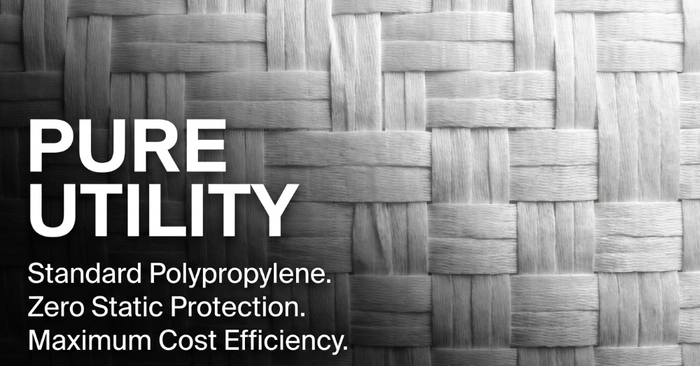
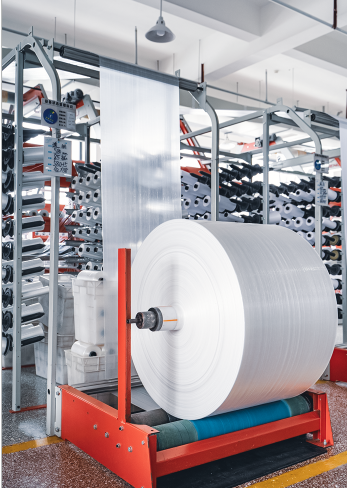
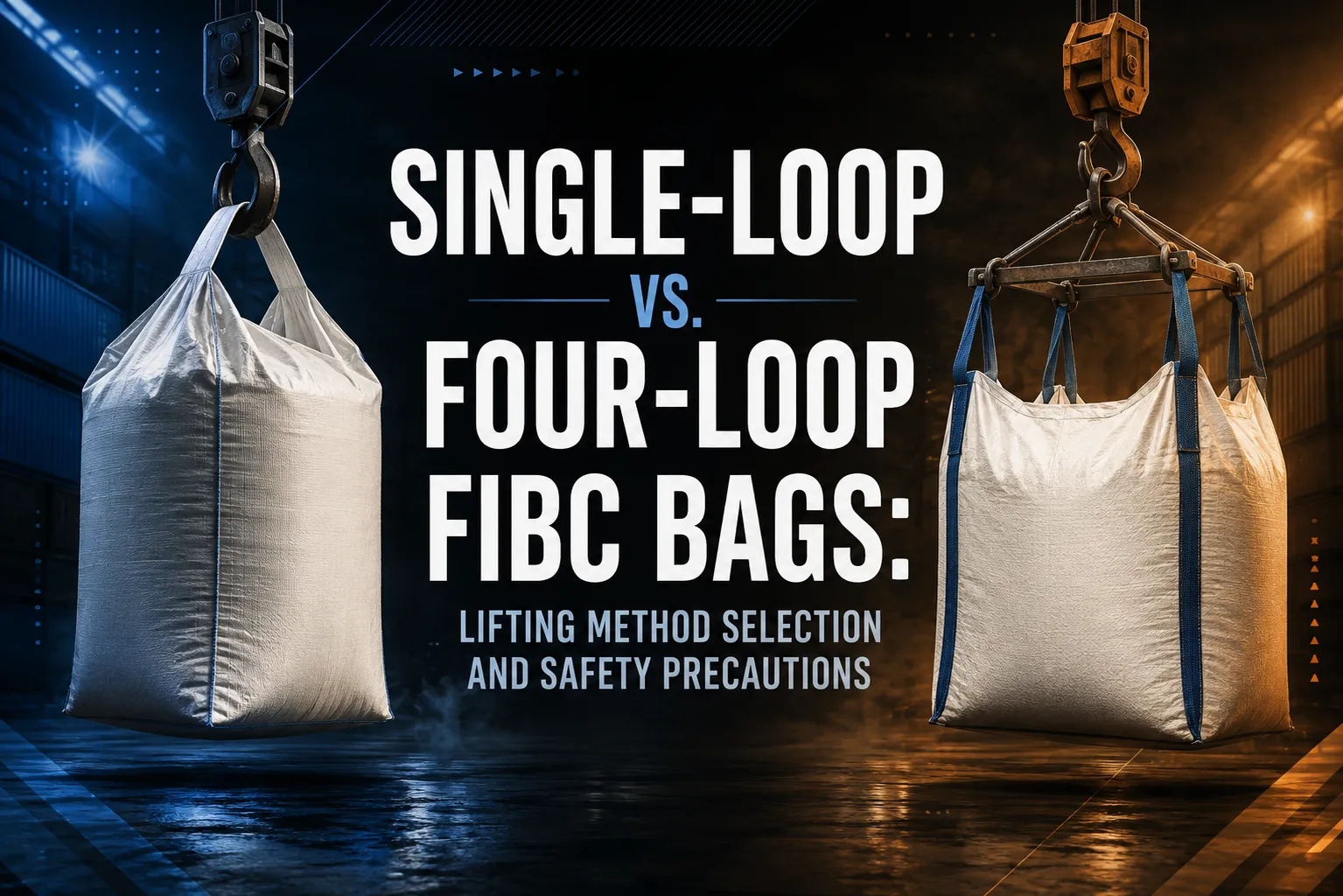
Мешки типа А изготавливаются путем вплетения полипропиленовых лент в прочную, гибкую ткань. Ткань может быть покрыта для создания влагозащитного барьера или оставлена без покрытия для обеспечения воздухопроницаемости. В зависимости от способа наполнения и опорожнения мешка добавляются стандартные подъемные петли, заливные и сливные патрубки. В плетении не используются проводящие или антистатические нити.
В процессе наполнения и выгрузки мелкодисперсные порошки, перемещающиеся внутри мешка, могут накапливать статическое электричество. Мешки типа А не имеют безопасного способа разрядить этот заряд. Если статическая искра возникнет вблизи легковоспламеняющихся материалов или в горючей атмосфере, это может привести к возгоранию. По этой причине мешки типа А следует использовать только с негорючими продуктами в нетоксичных средах.
В таблице ниже приведены типичные технические характеристики данного типа. Точные значения могут варьироваться в зависимости от заказа и области применения.
| Параметр | Типичные технические характеристики |
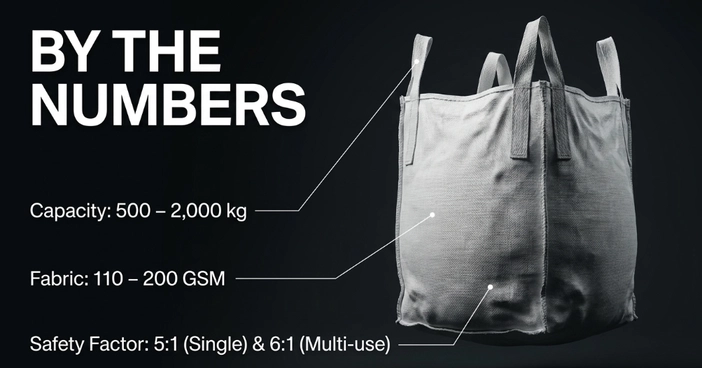
| Плотность ткани | 110–200 г/м² (грамм на квадратный метр) |
| Безопасная рабочая нагрузка (SWL) | 500 кг – 2000 кг |
| Коэффициент безопасности (SF) | 5:1 (одноразовое использование) или 6:1 (многоразовое использование) |
| Строительство | U-образная панель, круглая, 4-панельная, с перегородками |
| Покрытие | С покрытием (влагозащитный барьер) или без покрытия (дышащий материал) |
| Лайнер | Дополнительная полиэтиленовая прокладка для мелкодисперсных порошков или влагочувствительных материалов. |
Коэффициент запаса прочности показывает запас прочности, полученный в ходе испытаний, по сравнению с номинальной нагрузкой мешка. Например, коэффициент запаса прочности 5:1 означает, что мешок испытывался при нагрузке, в пять раз превышающей номинальную, в контролируемых условиях.
Пакеты типа А хорошо подходят для сухих, негорючих продуктов, хранящихся в безопасных условиях. Типичные области применения:
Не используйте пакеты типа А в следующих случаях:
Пример из реальной жизни: Поставщик строительных материалов, доставляющий сухой песок и гравий на строительные площадки, может безопасно использовать мешки типа А. Материал негорючий, и на строительной площадке отсутствует горючая атмосфера. В отличие от этого, химическому заводу, работающему с легковоспламеняющимися порошками смол вблизи паров растворителей, потребуются мешки типа С или типа D для предотвращения риска возгорания.
Главная причина – стоимость. Мешки типа А изготовлены из самых простых материалов и имеют самую доступную конструкцию, что делает их наиболее выгодным вариантом биг-бэгов. Для покупателей, перевозящих большие объемы безопасных, сухих материалов, это позволяет снизить затраты на упаковку без ущерба для грузоподъемности.
В таблице ниже приведено сравнение четырех типов мягких контейнеров (FIBC):
| Тип | Статическая защита | Лучшее для | Относительная стоимость |
| Тип А | Никто | Невоспламеняющиеся продукты, безопасная среда | Самый низкий |
| Тип B | Предотвращает разряды щеток (ткань с низким напряжением пробоя). | Сухие легковоспламеняющиеся порошки, отсутствие легковоспламеняющейся атмосферы. | Низкий |
| Тип С | Проводящий, должен быть заземлен. | Воспламеняющиеся продукты и/или воспламеняющиеся атмосферы | Выше |
| Тип D | Антистатический, заземление не требуется. | Воспламеняющиеся продукты и/или воспламеняющиеся атмосферы | Высший |
Выберите тип А, если ваш материал невоспламеняем, а в рабочей среде отсутствуют легковоспламеняющиеся газы и горючая пыль. При наличии риска воспламенения переходите к мешкам типа В, С или D.

Пакеты типа А — практичный выбор, когда продукт сухой, негорючий и обрабатывается в безопасной среде. Они способствуют контролю затрат благодаря более простой конструкции, гибким техническим характеристикам и эффективной логистике оптовых партий.
Группа СИФА Компания производит упаковочную продукцию, включая полипропиленовую ткань, пакеты из БОПП-пленки, биг-бэги FIBC и полиэтиленовые пленочные пакеты. С 1998 года мы поддерживаем промышленных покупателей, выполняя заказы на индивидуальную упаковку и осуществляя крупномасштабное производство. Наши производственные мощности включают 72 000 м² производственных площадей, более 800 сотрудников, систему отслеживания продукции с помощью QR-кодов, а также сертификаты ISO9001, ISO14001, ISO45001 и BRCGS для соответствующих операций.
Изучите наши ПП ткань, Биг-бэг FIBC, и наши возможности страницы для сравнения доступных структур и вариантов настройки.
Они используются для сухих, негорючих сыпучих материалов в нетоксичных средах, таких как песок, гравий и некоторые инертные сырьевые материалы.
Нет. Они изготовлены из непроводящего полипропилена и не обеспечивают безопасного рассеивания электростатического заряда.
Нет. Их не следует использовать в местах, где присутствуют легковоспламеняющиеся материалы, пары, газы или горючая пыль, представляющие опасность.
Обычно они стоят дешевле, чем антистатические мягкие контейнеры (FIBC), поскольку материал и конструкция проще.