

 by Roy
Industrial textiles rely on specific polymer selections to meet durability requirements. Engineers must evaluate tensile strength, UV resistance, and chemical stability before sourcing materials. This guide explains the technical differences between PE fabric, HDPE fabric, and PP woven fabric materials to assist in industrial selection.
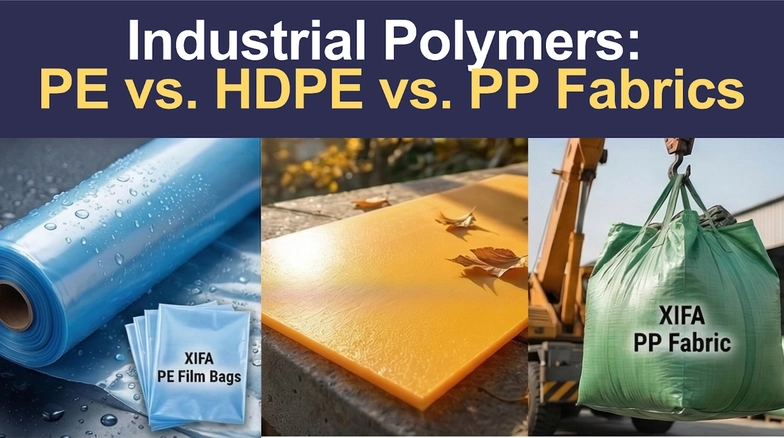
This fabric is made from polyethylene, a thermoplastic polymer available in various densities. A standard one often refers to Low-Density Polyethylene (LDPE). This material is lightweight and flexible but has lower heat resistance, which makes it ideal for light-duty covers and temporary moisture barriers like covers, wraps, and sheets.
Moreover, this is a popular choice thanks to its cost-effectiveness and ease of production. It can be produced in large amounts in various sizes, making it useful for packing, farming, and simple outdoor uses.
HDPE or High-Density Polyethylene Fabric offers a more robust molecular structure. The polymer chains are more linear, resulting in higher intermolecular forces. This makes them much stronger, more rigid, and damage-resistant than standard PE, suitable for handling mechanical stress and environmental exposure more effectively.
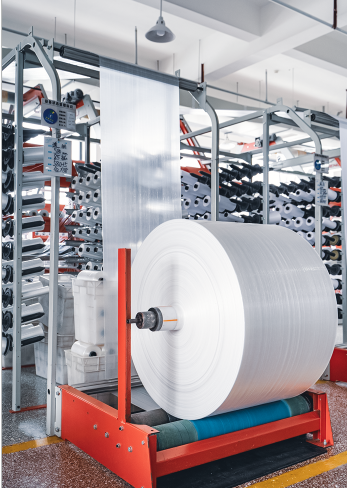
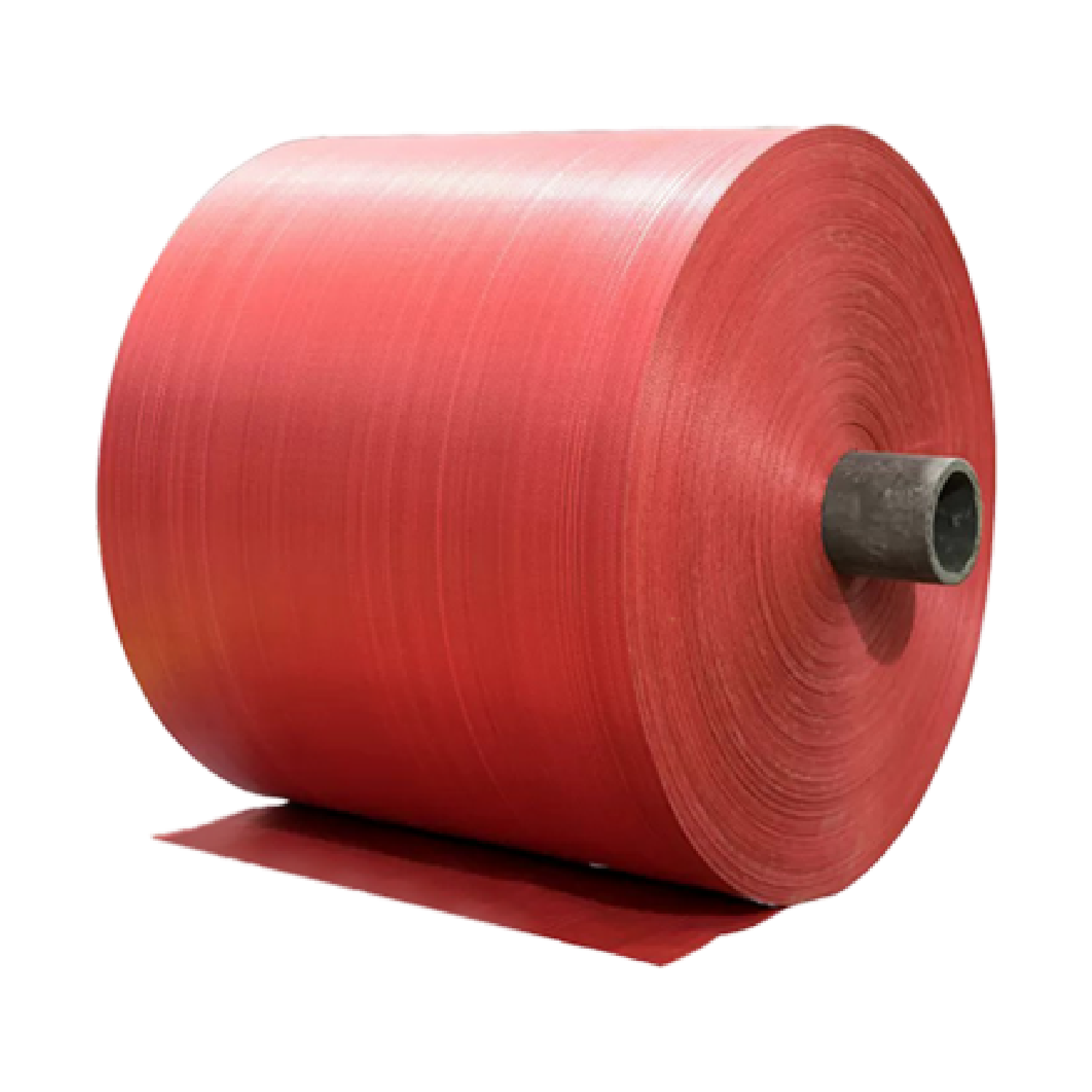
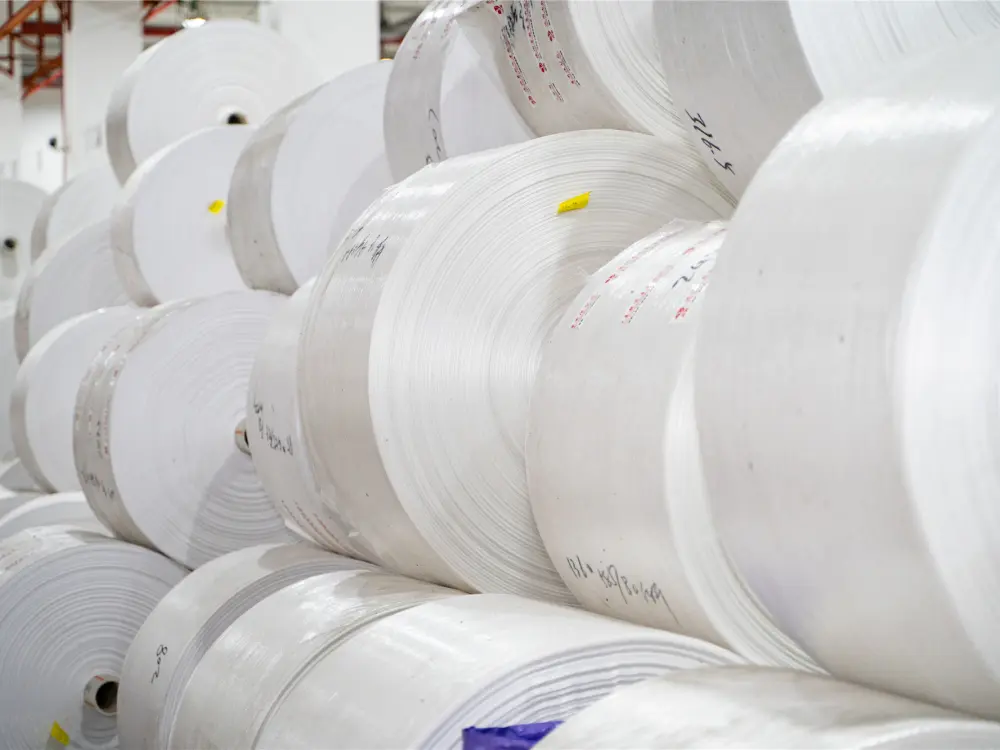
HDPE textile is often produced as woven sheets, known as HDPE woven fabrics. It is commonly available in roll form, allowing it to be divided into various sizes as needed. These rolls are then widely used in construction, agriculture, packaging, and other industrial applications.
PP woven fabrics are made from polypropylene—a lightweight, flexible, and strong material. Unlike HDPE, it is softer, more pliable, and easier to handle, without compromising its resistance to tear and abrasion. Its high resistance to acids, detergents, and electrolytes makes it ideal for packaging large metal products or items with complex shapes.
Polypropylene is translucent and can be easily colored, with excellent temperature stability between 0° and 100°C. PP woven fabric also minimizes condensation inside packaging by about 20% compared to PE, making it a good choice for industrial and protective applications.
| Fabrics | Material & Structure | Key Properties | Applications |
| PE | Tear/abrasion-resistant, chemical-resistant, temperature-stable, minimizes condensation | Flexible, low heat resistance, budget-friendly | Light-duty covers, packaging, farming |
| HDPE | High-density polyethylene; woven sheets | Strong, rigid, damage-resistant | Construction, agriculture, heavy-duty packaging |
| PP Woven | Polypropylene; softer & pliable | Tear/abrasion-resistant, chemical-resistant, temp-stable, minimizes condensation | Industrial packaging, protective covers, large/irregular items |
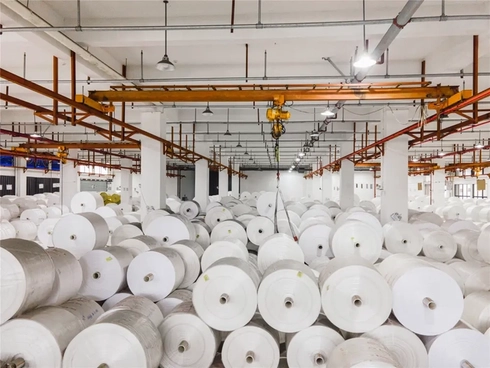
In industrial applications, strength is measured by a material’s resistance to tension and tearing. As a manufacturer with 150 circular looms, XIFA compared the abrasion resistance and strength of different weights and materials.
UV radiation is the primary cause of polymer degradation. Without stabilization, PP woven fabric degrades the fastest when exposed to sunlight. It requires significant additives to match the natural environmental resistance of polyethylene.
HDPE textile is naturally more resistant to UV rays than PP. When manufactured as a high-quality HDPE cloth, it often includes carbon black or UV stabilizers to extend its lifespan to several years of direct sun exposure.
Standard polyethylene fabric is often used for short-term outdoor tasks. While it resists moisture effectively, it lacks the long-term environmental shielding provided by high-density polyethylene fabric. For reliable outdoor performance, HDPE is the preferred engineering choice.
Fortunately, all three materials are “hydrophobic,” so they do not absorb water. This prevents rot, mildew, and weight gain in humid conditions. However, their resistance to industrial chemicals varies slightly.
Standard polyethylene fabric provides basic chemical protection for general construction covers. Meanwhile, HDPE cloth offers the best resistance to strong acids and bases. It is frequently used for geomembranes and chemical liners because of its inertness. For high-stakes industrial settings, the superior chemical barrier of HDPE ensures safety and compliance.
On the other hand, PP woven fabric also resists most chemicals but can be sensitive to strong oxidizing agents and certain solvents.
Choosing the right material ensures your project meets specific abrasion and environmental standards. Standard polyethylene fabric remains a cost-effective choice for light-duty, temporary applications. In contrast, HDPE textile provides superior cold-weather flexibility and UV resistance, while PP offers high tensile strength.
Xifa provides expertise in manufacturing both PE fabric and PP woven fabric. By utilizing 150 circular looms, the company guarantees consistent abrasion resistance and strength across all product lines. We focus on technical fabric production to ensure your materials meet the highest industrial export standards.
To learn more about customized material solutions, visit the XIFA service page.