

 by Roy
Wholesale coffee bags with a valve are widely used by coffee brands that sell roasted products in bulk or retail formats. These bags combine layered materials, integrated components, and custom printing to support storage, handling, and brand presentation. This article explains how these bags are built, why businesses buy them wholesale, where they are commonly used, and what to consider when selecting specifications and suppliers.
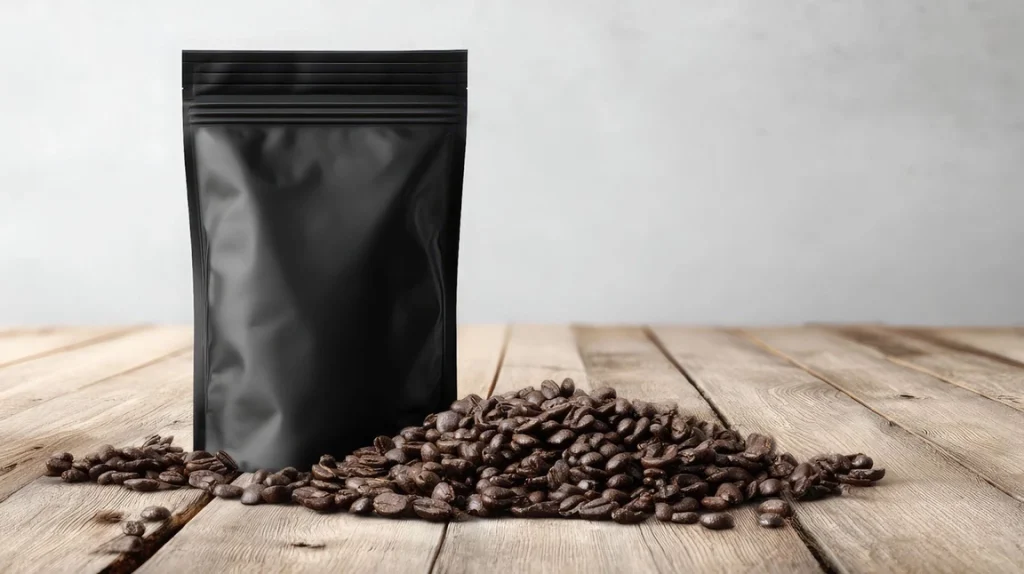
Coffee bags with a valve are flexible packaging bags made from layered materials, with a small plastic valve added to the surface. The valve is a one-way degassing component that allows carbon dioxide (CO2) to escape while preventing oxygen and moisture from entering the bag. The valve is built into the bag during production, not added later by the user.
Key takeaways:
Understanding the structure helps buyers make better choices. These bags are not just “plastic bags with a hole.” Each part serves a clear role.
Most valve coffee packaging uses multi-layer structures:
Materials often include BOPP film, PET film, aluminum foil, or PE liners, depending on needs.
The valve is heat-sealed into the bag during manufacturing. Placement is usually near the top front or back. This allows the bag to stay flat and stack well during storage and shipping, preventing the bag from bloating or bursting due to gas buildup.
Brands that package coffee at scale usually buy valve bags in bulk to maintain consistency and manage costs. Wholesale ordering allows businesses to standardize packaging across product lines, reducing variation between batches and simplifying inventory planning.
Bulk purchasing also supports predictable lead times. When packaging formats remain consistent, production schedules become easier to manage. This is especially important for companies supplying cafés, distributors, or online customers on a regular basis. Another reason businesses choose wholesale formats is branding control. Ordering large quantities ensures that printed designs, colors, and finishes remain uniform across shipments, which helps maintain brand recognition in competitive retail environments.
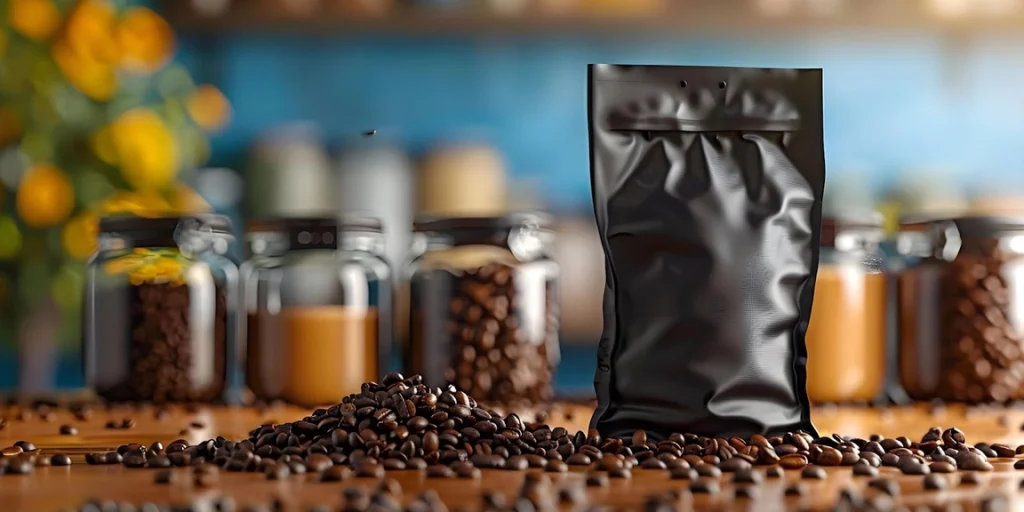
Although coffee remains the most visible use case, valve-style packaging is not limited to one product category. Many industries use similar bag structures when they require sealed, flexible packaging with controlled form and appearance.
In the coffee sector, these bags are commonly used for roasted products sold through retail stores, subscription services, and cafés. Beyond coffee, powder-based goods such as cocoa blends, drink mixes, and nutrition products often use comparable bag designs.
Food producers also apply these bags for dry ingredients and packaged goods that benefit from flexible storage and printed branding. In industrial settings, adapted versions of valve bags may be used for specialty powders and chemical materials where clean filling and sealed transport are required.
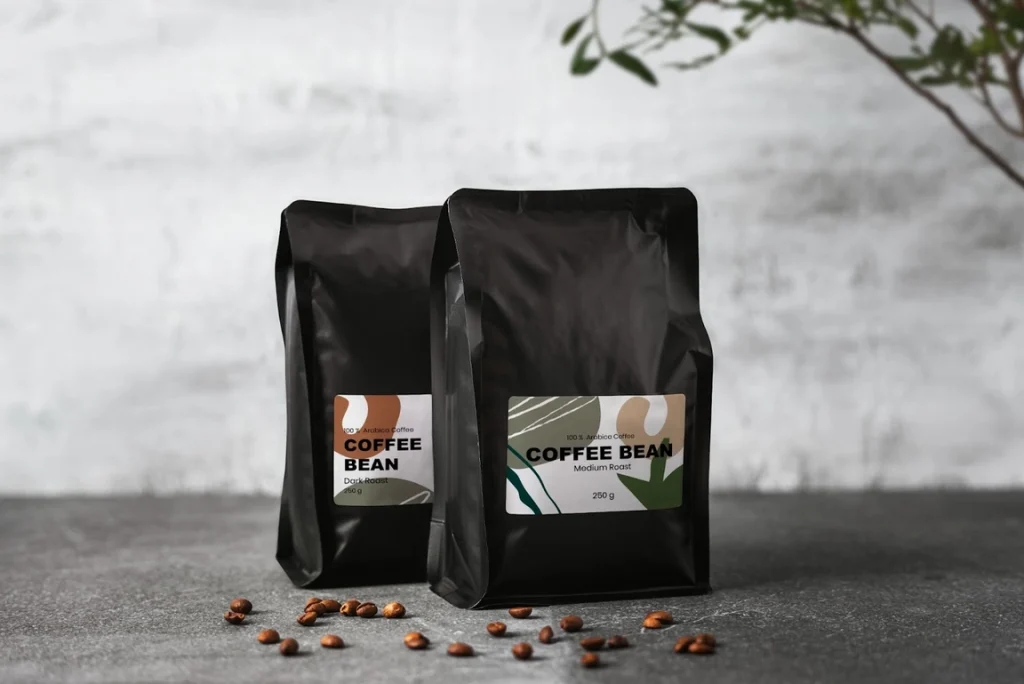
Customization helps brands match packaging to product needs and customer expectations.
Common retail sizes range from 100g to 1kg. Bulk buyers often request size testing before final orders. For large formats, buyers may also calculate surface needs, similar to the FIBC bag calculation of area, to ensure correct material usage and print layout.
Options depend on product and market:
Printing methods include gravure and flexographic printing. These support:
Buying valve bags in large volumes requires planning.
Always confirm:
For food use, packaging should meet food-contact standards in your market. This matters for export and retail approval.
Ask suppliers about:
Supplier choice affects quality, delivery, and long-term costs. Understanding the power of jumbo bulk bags in industrial supply chains helps you evaluate a manufacturer’s large-scale handling capability.
Look for suppliers that handle:
Clear communication matters when adjusting sizes, materials, or artwork. Responsive support helps solve issues early.
Suppliers with experience in food and industrial packaging understand real-world handling and transport needs.
Wholesale valve coffee packaging helps brands manage storage, presentation, and scale. The right structure, size, and supplier choice can improve daily operations and long-term planning. XIFA Group is a packaging manufacturer producing woven PP bags, BOPP bags, FIBC big bags, and PE film bags. The company supports custom packaging projects across food, agriculture, and industrial sectors. With integrated production and printing, XIFA Group helps brands move from design to delivery smoothly.
If you are planning your next packaging order, explore our collection of wholesale coffee packaging solutions to simplify sourcing and customization.
1.What is the valve on coffee bags?
It is a small plastic one-way degassing component that allows CO2 to escape while blocking oxygen ingress.
2.Do coffee bags need a valve?
Many brands choose this format to prevent bags from bloating or bursting.
3.How to open a valve coffee bag?
Most bags open from the top seal or tear notch. The valve is not used for opening.
4.Are custom coffee bags with a valve available in small batches?
Some suppliers offer trial runs, but most customization works best with bulk orders.