

 by Roy
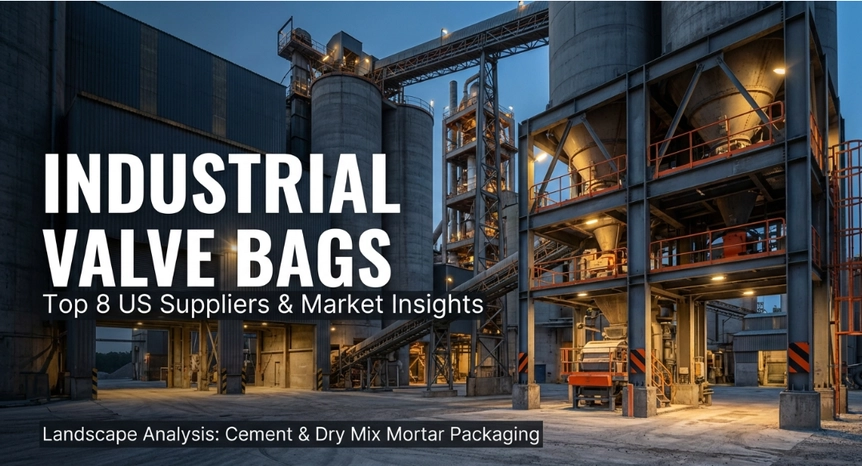
Industrial valve bags play a central role in cement and dry-mix mortar packaging because they fill fast, seal automatically, and support clean material flow. This article compares eight leading U.S. suppliers and explains what buyers should evaluate before choosing a valve bag manufacturer. You will also see how XIFA, a global manufacturer, matches or exceeds these standards with stronger customization capacity, cost control, and project-level support.
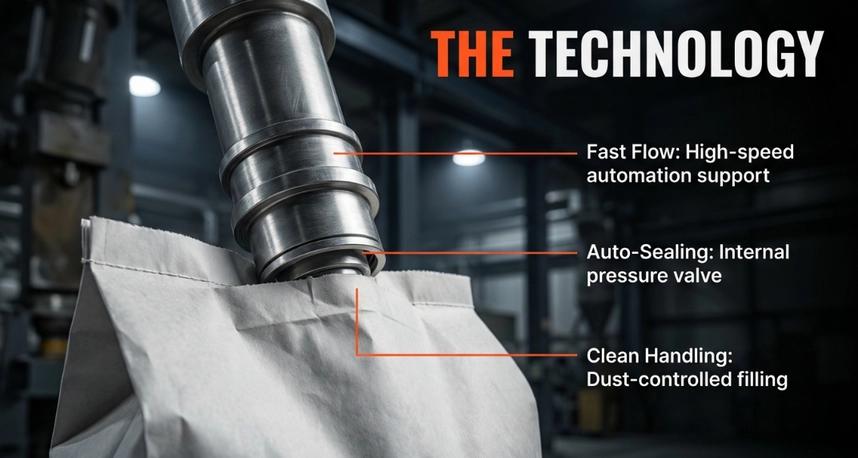
A valve bag is a pre-formed sack with a filling valve that seals through product pressure. It is common in cement, mortar, powders, and granular materials.
Key takeaways:
Cement and mortar producers depend on stable packaging performance. Bag failures cause waste, dust, and production delays. Good design reduces leakage, protects powder from moisture, and supports clean stacking. Paper valve bag manufacturers and valve bag manufacturers typically offer kraft paper, PE-laminated paper, or woven-poly options to match each material’s flow and storage conditions.
These companies are known across North America for serving cement, dry mortar, building materials, and industrial powders.

Mondi supplies kraft paper valve bags for cement and minerals. Their network supports large projects with consistent material quality. Their focus is on automated filling performance and barrier paper structures for moisture-sensitive powders.
Hood Packaging operates several U.S. plants producing multiwall paper valve bags. Their designs support cement, grout, and construction powders. They offer moisture-controlled papers, custom print layouts, and optimized valve openings that work well with most filling equipment.
Southern Packaging supplies paper valve bags and woven polypropylene options for industrial powders. Many dry mix producers choose them because they offer combinations of moisture resistance, burst strength, and machine-compatible valves for cement and mortar.

Standard Bag produces multiwall paper bags, including valve-style industrial bags. They manufacture in the U.S. and support custom specifications like ply count, valve length, and bag dimensions. This makes them suitable for mortar plants that need tightly controlled bag features.

ProAmpac manufactures pasted valve bags used in cement, gypsum, and industrial powders. Their materials support better air release during filling and high stacking performance. Many plants choose ProAmpac when they need strong printing and bag durability for harsh transport environments.
Langston Companies produces multiwall paper valve bags used across the construction sector. Their product range includes bags designed for cement, mortar, and mineral products. They also offer integrated design services for plants that need consistency across different product lines.
Cady Bag focuses on woven polypropylene packaging. Although not limited to valve bags, their woven structures serve powder producers needing strong tear resistance and ventilation control. Their bags help protect cement and dry mortar against handling abrasion.
Bag Supply Company provides industrial sacks, including paper valve bags suitable for cement, minerals, and building materials. They supply many regional distributors and end-users that require predictable lead times and practical packaging solutions.
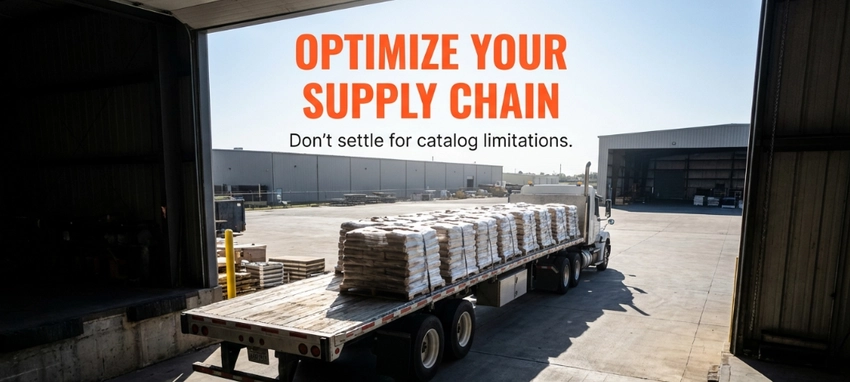
Many U.S. suppliers focus on established product lines and fixed manufacturing formats. In contrast, global manufacturers like XIFA Group offer wider customization, faster production adjustments, and more flexible service mechanisms.
From the files you shared, XIFA provides:
This combination of technical capability and service flexibility positions XIFA as an international partner for companies needing tailored packaging solutions beyond standard U.S. catalog offerings.
The U.S. market offers several strong suppliers of industrial valve bags for cement and dry mix mortar. Each company differs in materials, customization levels, and production scope. For projects needing a broader range of packaging formats or deeper engineering support, exploring an international partner like XIFA Group can offer additional value.
To upgrade your plant’s packaging performance, consider reviewing a full collection of industrial packaging solutions from XIFA and connecting with their team for tailored support.
What are valve bags used for?
Cement, dry mortar, chemicals, minerals, and powder materials use valve bags for fast, dust-controlled filling.
Are paper valve bags moisture-resistant?
Standard paper is not. Many suppliers add PE coatings or liners to protect powders.
Can PP woven valve bags replace kraft bags?
Yes. They offer stronger tear resistance and withstand rough handling.
How do I choose a valve size?
Match valve diameter to your filling nozzle. The goal is fast flow with minimal dust loss.
What affects bag failure rates?
Moisture, weak seams, over-filling, and poor storage conditions cause early damage.