



 by Simin Xiang
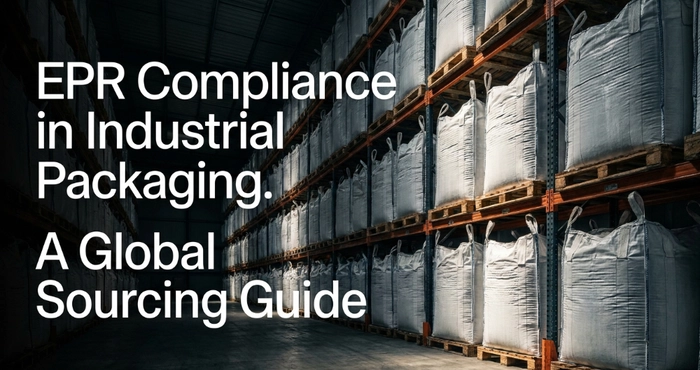
Extended Producer Responsibility (EPR) makes producers pay for the packaging waste they place on a market. For sourcing managers, your bag choices now shape taxes, fees, and market access. This guide shows how EPR works in Europe and North America. You will also see how recycled packaging can lower your compliance costs.
EPR moves the cost of collection, sorting, and recycling from cities to producers. If you sell goods in a regulated region, you fund the end-of-life handling of your packaging.
Under EPR regulations, the producer or importer registers, reports volumes, and pays fees. These fees scale with the weight and type of material you use. The choice of polypropylene packaging matters here, since material drives cost.
Packaging waste is no longer a back-office detail. It is a direct cost that rises or falls with your specifications. Smart material decisions cut both the packaging environmental impact and total landed cost.
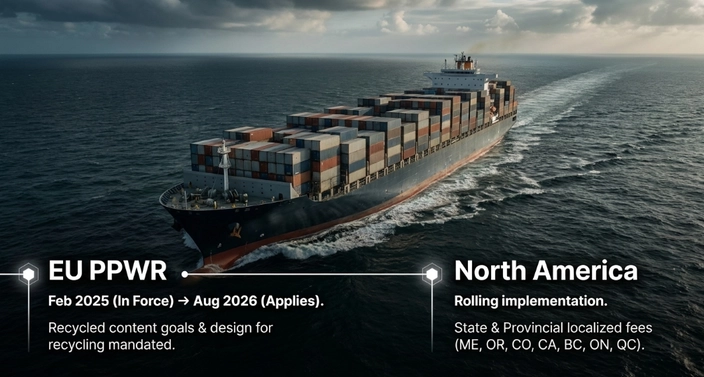
Both regions are expanding producer responsibility, but on different timelines. Knowing the rules helps you avoid blocked shipments and surprise bills.
The EU’s Packaging and Packaging Waste Regulation (PPWR) entered into force in February 2025. It generally applies from August 2026. The rule covers all packaging, sets recycled content goals, and pushes design for recycling.
The PPWR also uses modulated fees. Packaging that is easy to recycle pays less, while hard-to-recycle formats pay more.
In the U.S., states like Maine, Oregon, Colorado, California, and Minnesota run packaging EPR laws. In Canada, provinces such as British Columbia, Ontario, and Quebec hold producers fully accountable. Each program sets its own fees, targets, and reporting rules.
EPR raises costs through fees tied to material weight, recyclability, and recycled content. The role of EPR in plastic waste management is to price these impacts directly into your supply chain.
Modulated fees reward better design and penalize poor design. Virgin plastic and mixed materials usually carry the highest fees. You must also keep records for audits, which adds administrative work.
| Packaging Choice | Recyclability | Likely EPR Fee | Reporting Effort |
| Virgin PP woven bag | Moderate | Higher | Standard |
| Recycled PP woven bag | Moderate | Lower | Lower with declarations |
| Recycled FIBC bulk bag | High (mono-material) | Lower | Lower with traceability |
| Mixed multi-layer pack | Low | Highest | High |
Recycled packaging lowers fees because it uses less virgin material and supports recycling targets. This is where recycled PP woven bags and recycled FIBCs create real savings.
Higher recycled content often shifts your packaging into a lower fee band. EPR recycling targets reward post-consumer material. Recycled PP woven sacks and recycled FIBC bulk bags meet this need while staying strong enough for heavy industrial loads.
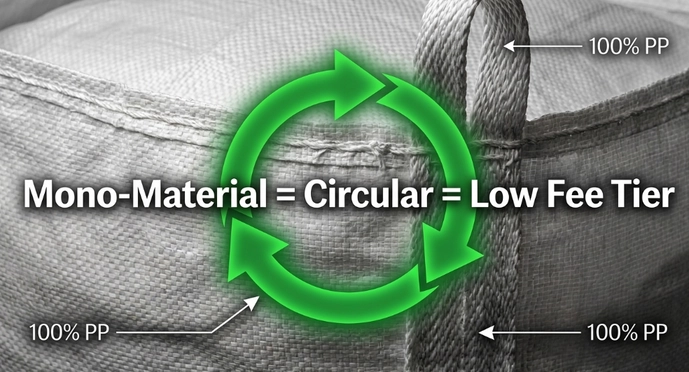
Mono-material PP bags are easier to recycle than multi-layer packs. Easy-to-recycle designs face fewer fees and fewer market-access barriers. The growing pressure from green policy is reshaping the PP woven bag market for global buyers.
A chemical exporter shipping to Germany switches to 30% recycled PP bags. The recycled content moves the order into a lower fee tier. A food-grade buyer in California selects mono-material FIBCs to meet recyclability rules.
EPR compliance depends on clear records, not just good materials. Buyers need proof of what they bought and what it contains.
Request a recycled content declaration that states the post-consumer percentage. Confirm GSM, fabric type, and resin grade in your purchase order. These specifications support both quality control and reporting.
Batch-level traceability links each shipment to its material data. QR-coded records make audits faster and reduce disputes. Strong documentation protects your market access in regulated regions.
EPR regulations are now a fixed part of global packaging strategy. Managers who plan for compliance protect market access and control costs.
XIFA Group is a packaging manufacturer with 25 years of experience in PP fabric, BOPP bags, FIBC big bags, and PE film bags. With one-stop OEM/ODM service, in-house manufacturing, QR code batch traceability, ISO-based inspections, and a Sedex SMETA 2-pillar audit, the team supports food grade, agriculture, construction, animal feed, chemicals, and flood control applications.
Explore the packaging insights and product collection to find an EPR-ready solution for your market.
The PPWR entered into force in February 2025. Its main provisions generally apply from August 2026 across all EU member states.
Recycled content reduces virgin material use and meets recycling targets. Under modulated fees, this often shifts packaging into a lower fee band.
Keep recycled content declarations, material specifications, batch traceability records, and volume reports. These support audits and reduce reporting risk.