



 by Simin Xiang
As you look for cement bag material, the price is only the first consideration. You also have to consider how well they survive internal shipping and how fast your factory can fill them up. Plus, the actual cost may differ once the damage and losses are factored in. That’s why most global buyers tend to calculate the Total Cost of Ownership (TCO) before making a buying decision.
To determine cement packaging’s actual cost, you have to account for four things in total:
The quote you have should have the price of the bag listed. But for the other three costs, you will have to do some digging as they are concealed in your daily operations. Make sure to have your floor managers log every broken bag and cleanup minute immediately so no cost is missed in the calculation.
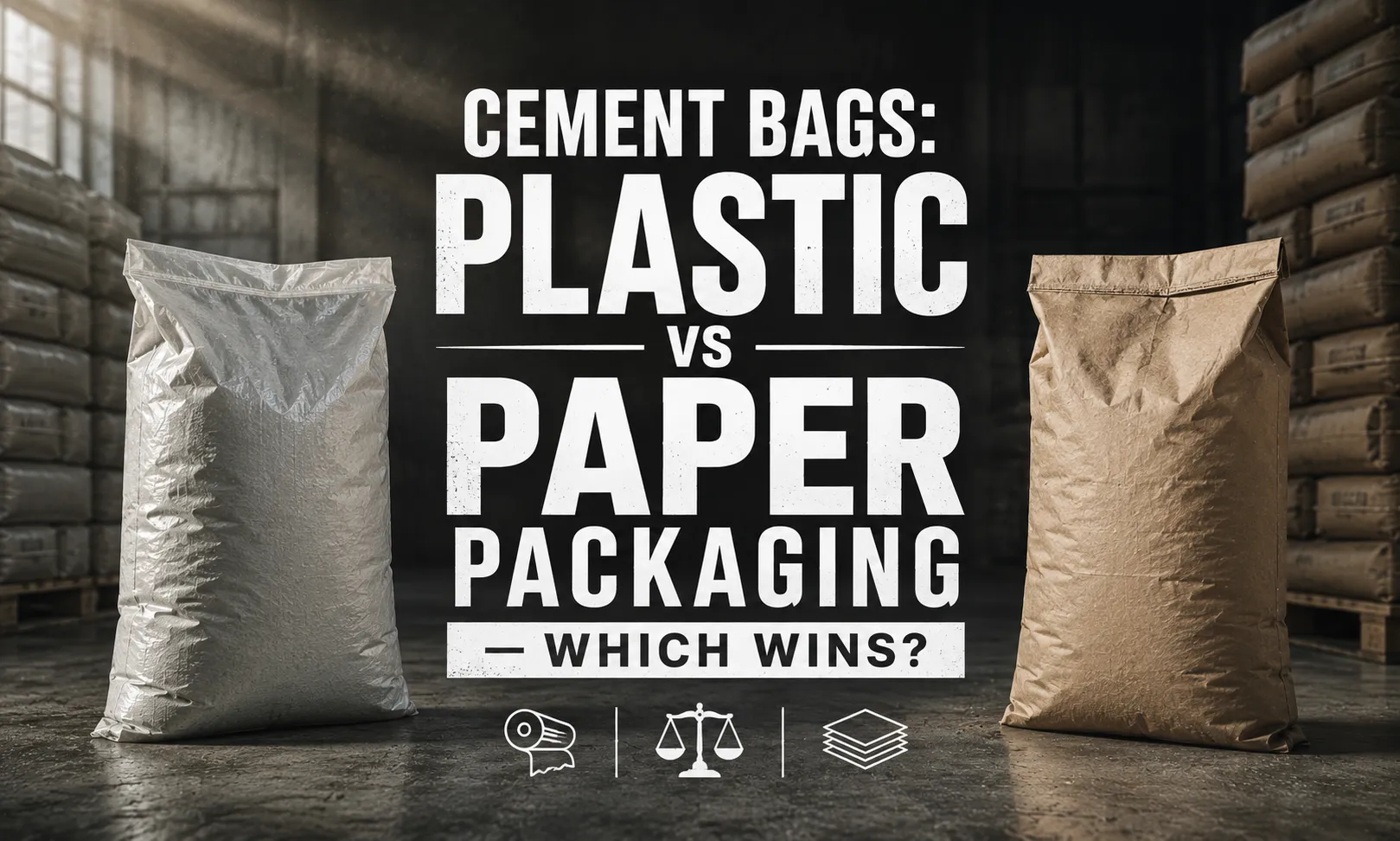
With TCO aside, you might be wondering which packaging offers the best bang for your buck. To give you the answer, we put plastic and paper packaging side by side and compared them on four fronts.
It’s common knowledge that rough handling during international shipping can damage the cargo.
Paper sacks: A standard cement paper bag will crack easily under pressure. Most paper options lose about 3 to 5 percent of their overall material from ruptures and tears. The rate of product loss is especially higher during a long transit route.
Plastic sacks: Cement sacks that are heavy-duty and made from laminated woven plastic have much better tear resistance. With a laminated plastic cement bag, your product loss can become near zero (under 0.1%), meaning anything you send is likely to arrive safely.
Moisture is the ultimate enemy of dry cement.
Paper sacks: Traditional paper absorbs ambient water from the air. Without expensive plastic liners, a kraft cement bag lets moisture in, turning your cement into hard, unsellable lumps.
Plastic sacks: Woven plastic bag designs create a strong waterproof barrier. You can store these cement sacks outside in the rain or ship them across humid ocean routes without risking your inventory.
How fast can your factory move?
Paper sacks: Paper naturally breathes. During high-pressure factory filling, a multi-ply cement paper bag lets trapped air vent out fast. This keeps your automated filling lines running at maximum speed.
Plastic sacks: Woven plastic bags require micro-perforations to let air escape. While they work well, they cannot match the raw venting speed of a traditional paper sack system in a dry factory.
The most common objection from procurement managers is that laminated PP valve bags carry a slightly higher upfront cost than basic paper sacks. However, this initial difference disappears completely when you calculate real-world supply chain losses.
If you buy 100,000 paper bags at a lower price but lose 4% of them to bursts and moisture damage, you have wasted 4,000 bags of cement plus their shipping costs. By investing slightly more upfront in zero-breakage laminated plastic, the massive drop in product waste creates an immediate return on investment. Plastic saves you money by protecting your product over long distances.
| Feature | Paper Sacks | Laminated PP Plastic Sacks | Winner |
| Supply Chain Loss | 3.0% – 5.0% waste | Under 0.1% waste (Near-Zero) | Plastic |
| Waterproof Rating | Low | Excellent (Keeps humidity out) | Plastic |
| Filling Speed | Fastest | Moderate | Paper |
| TCO (Total Cost) | High (Due to breakage waste) | Low (Saves money on lost product) | Plastic |
The true winner depends entirely on your supply chain:
Paper Wins If: Your factory operates high-speed, automated filling lines and you only ship short distances in perfectly dry, local climates.
Plastic Wins If: You are a high-volume buyer shipping to humid or rough regions like the Middle East and South America. In these environments, laminated PP woven block bottom valve bags (Valve Bags) win easily by wiping out shipping damage and protecting your profits.
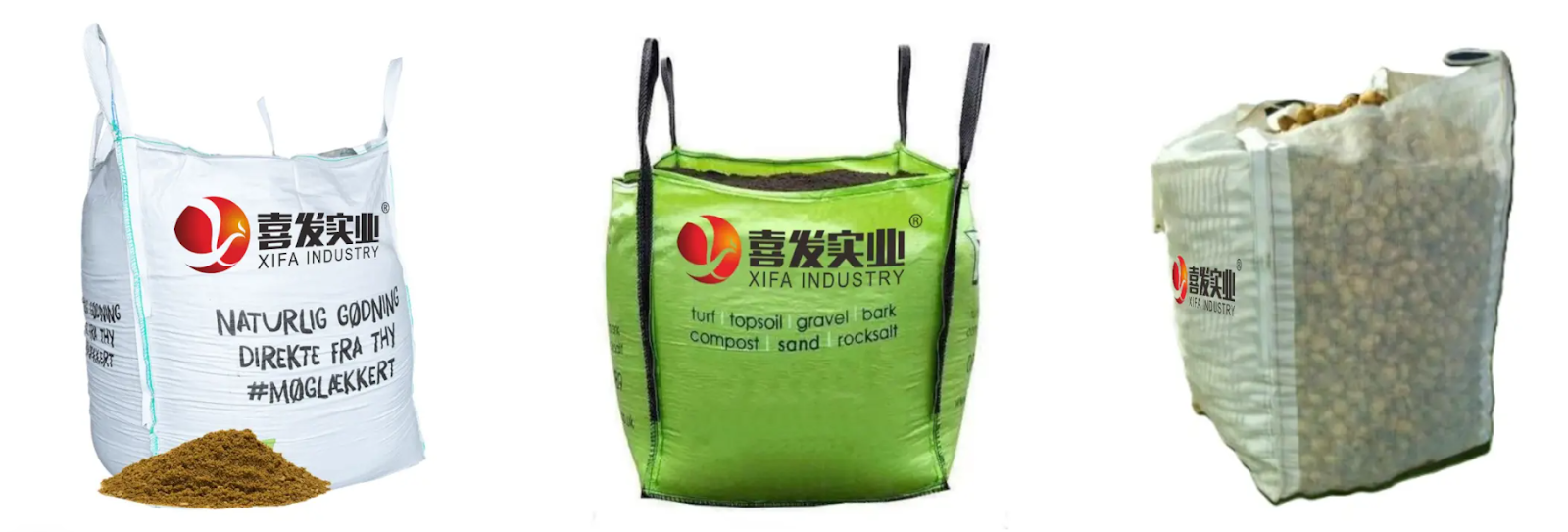
If plastic is the winner for your route, working with a neutral, consultant-like industry expert helps you optimize your packaging. Xifa Group handles large-scale manufacturing as a premier factory-and-trade integrated enterprise. Operating a massive 72,000 m² workshop backed by 250 million yuan in fixed assets, we ensure consistent, industrial-grade quality control.
Xifa Group’s plastic cement bag solutions are built specifically to deliver the moisture resistance and tear strength outlined in Rounds 1 and 2, keeping breakage rates near zero even across the humid, high-transit routes common in Middle Eastern and South American shipping lanes.
To give Middle Eastern and South American buyers peace of mind, the factory builds traceability at every single production step. We print unique QR code batch-tracking technology directly onto every bag. If a shipment encounters issues, procurement teams can scan the bag to instantly see the raw material batch and production date, removing all guesswork from your logistics.
Because Xifa Group operates a high-capacity industrial facility, we focus exclusively on commercial-grade orders. To keep factory costs low and quality high, our precise Minimum Order Quantity (MOQ) starts from 5,000 bags for all PP/BOPP valve bags.