

 by Roy
Industrial packaging has now evolved to enhance storage stability and shipping efficiency. Among the most popular types of bags are the block bottom bags and traditional header bags. This article will explain the technical distinction between these two bags and why the building block bag is superior for heavy-duty applications.
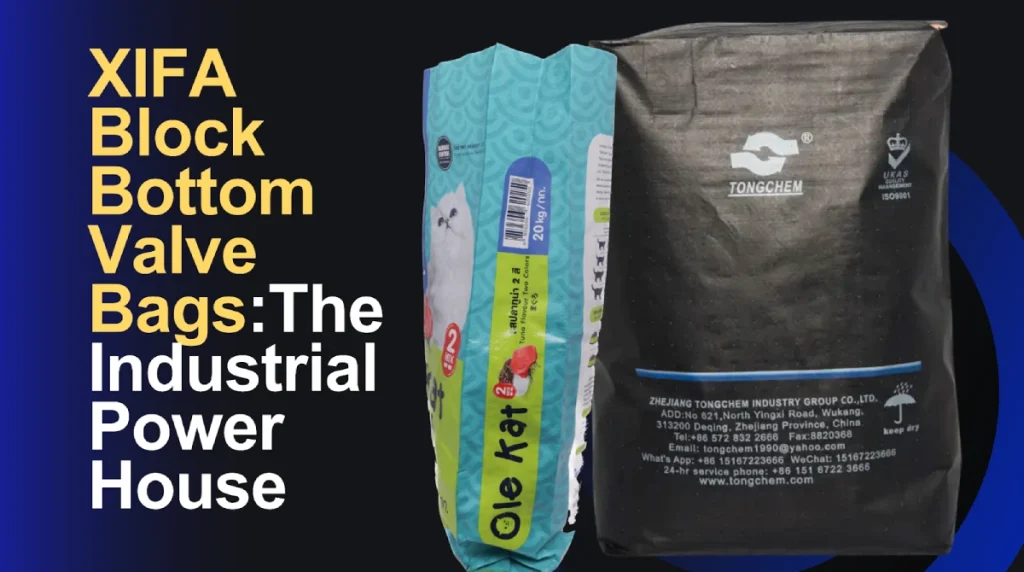
The block bottom bag is a type of bag built to stand up on its own. It has a flat bottom that offers stability and makes it easier to fill, making its contents visible and accessible. It is used in different products, such as grains, pet food, snacks, as well as products for baking, like flour or sugar.
It can be made through different materials, including:
Advantages:
XIFA’s 25kg square-bottom valve bags are a durable, paper-based packaging solution built for efficient filling and secure storage of bulk materials like powders and dry goods. It works well with valve filling systems and offers resistance to moisture, chemicals, and low temperatures, ensuring effective product protection.
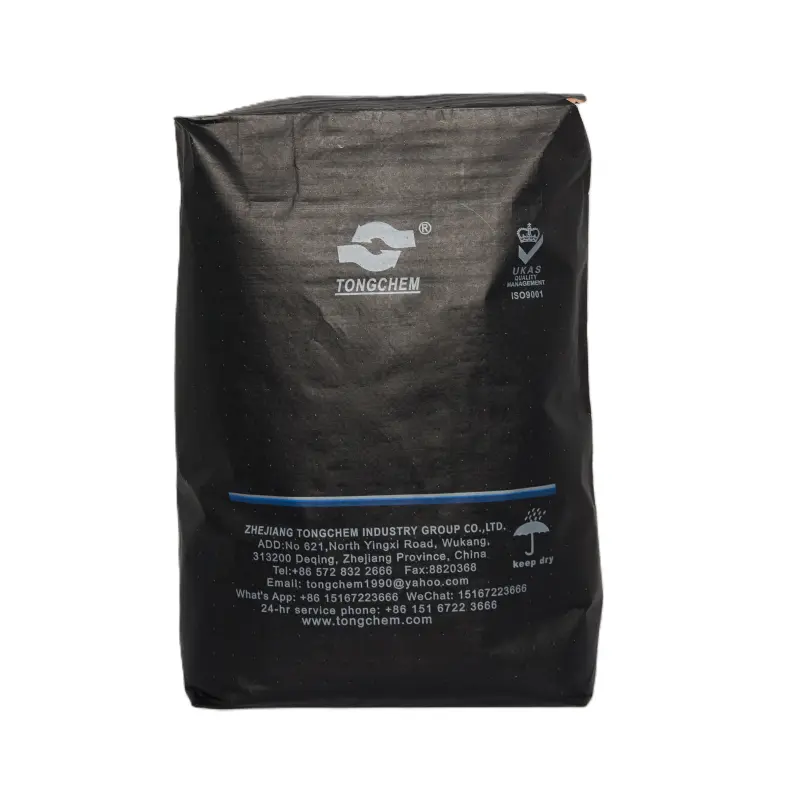
The traditional bag is also a popular type of packaging for many products, with flat and gusseted bags as the two most common styles.
Flat bags are simpler and made from a single piece of material. They can be sealed or left open, depending on the product, widely used for lightweight items.
In contrast, gusseted bags have extra material on the sides, called gussets. These allow the bag to expand, making it ideal for bulkier items like clothing, snacks, or other products that need more room.
It can be made through different materials, including:
| Feature | Block Bottom Bags | Traditional Bags |
| Structure & Design | A flat base for bags to easily stand upright, filled, and displayed. | Available in flat or gusseted styles |
| Capacity & Stability | High capacity with excellent stability and prevents tipping. | Lower stability; flat bags hold less, and gusseted bags may tip if not filled properly. |
| Appearance & Branding | Upright design enhances visibility, like logos and designs. | Limited display impact, especially when laid flat. |
| Eco- Friendliness | Can be eco-friendly when made from recyclable materials. | It can be eco-friendly depending on the materials. |
Selecting the right bag depends on product weight, branding, and overall function. Block bottom bag offers better stability, capacity, and shelf visibility. In contrast, a traditional header bag is more versatile but less supportive. Understanding the distinction between the two helps you choose the best packaging for your needs.
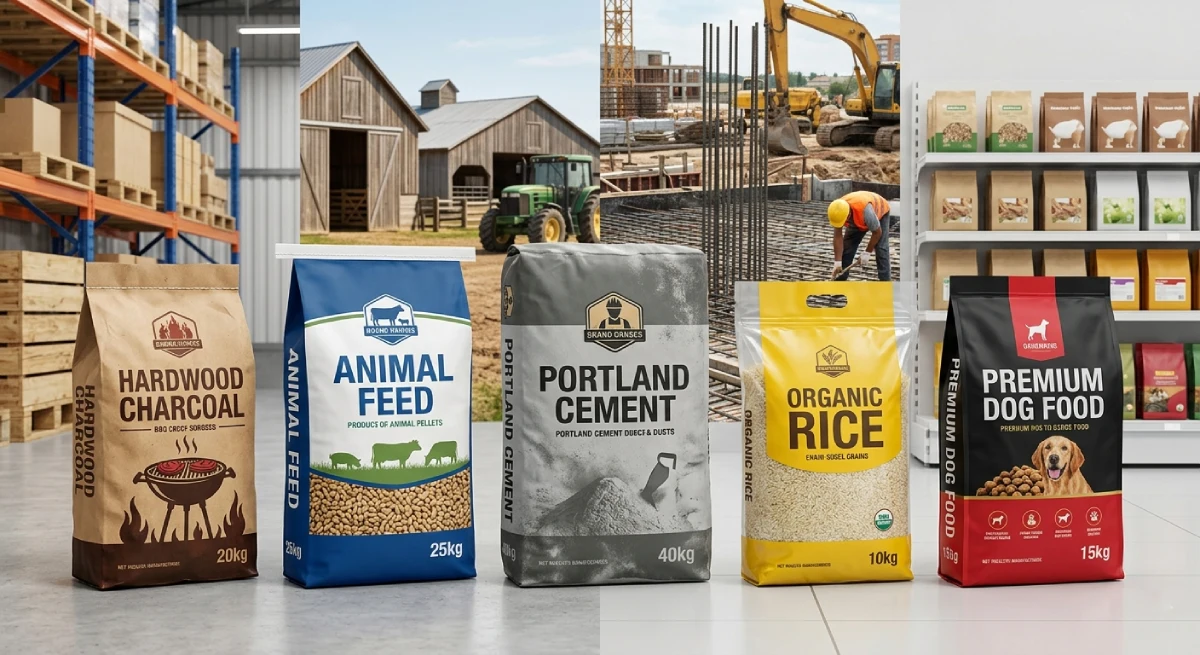
XIFA specializes in the production of square-bottom valve bags for the fertilizer and building materials industries, such as rice, chemical raw materials, putty powder, cement, mortar, chemical fertilizer, feedstuff, and pet food.
Overall, XIFA products are optimized for automated packaging lines to maximize productivity. We provide a minimum order quantity of 5000 bags with customized logos and free layout services to meet your specific branding requirements.